Croatian Olive Oil: A Guide to Tasting the Liquid Gold of Istria and Dalmatia
From ancient groves to modern mills, Croatia produces some of the world's finest olive oils. Here's how to appreciate them like a local.
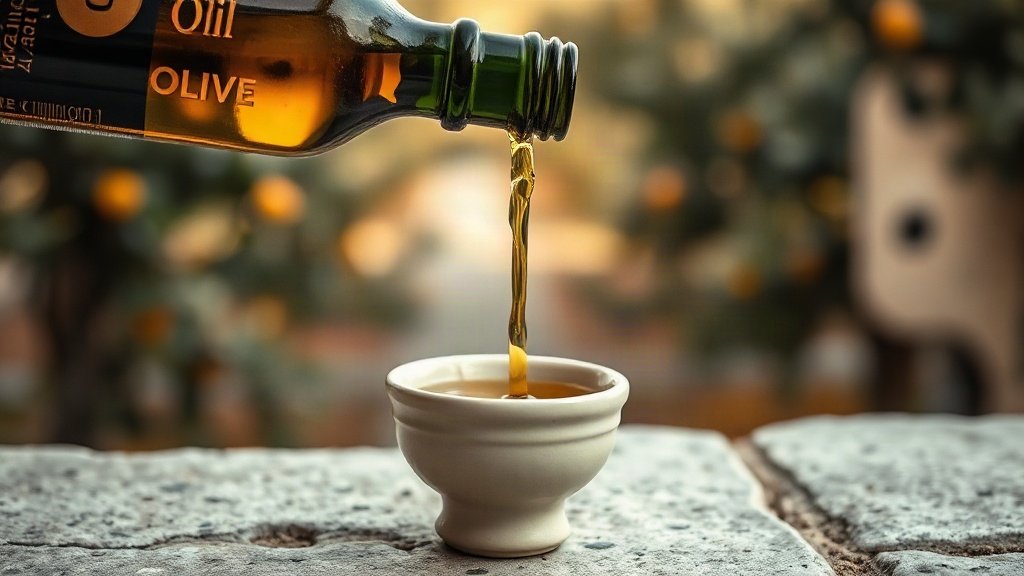
Illustration: AI-generated image
Croatia's sun-drenched coastline has been home to olive trees for over two thousand years, and today the country produces some of the most awarded olive oils in the world. While Italy and Spain often dominate the conversation, Croatia's small-batch, family-run production delivers exceptional quality that rivals its Mediterranean neighbours.
Whether you're planning a trip to the Adriatic or simply want to bring a taste of Croatia into your kitchen, learning about the country's olive oil is a delicious way to connect with its culture.
Why Croatian Olive Oil Stands Out
The secret lies in the land. Istria, in the northwest, and Dalmatia, stretching down the southern coast, offer the perfect combination of rocky soil, sea breezes, and plenty of sunshine. Many groves are planted on steep, terraced slopes where the olives ripen slowly, developing complex flavours. Hand-picking is common, and most producers press their olives within hours of harvest to preserve freshness and aromatics.
Unlike mass-produced oils, Croatian olive oils are often unfiltered and can be intensely green, with a peppery kick at the back of the throat—a sign of high polyphenols and freshness.
Key Varieties to Know
While dozens of local cultivars exist, a few stand out:
- Buža – the most widespread in Istria, known for a balanced, fruity flavour with notes of green almond and artichoke.
- Istarska bjelica – an Istrian native that yields a delicate, slightly sweet oil with a gentle bitterness.
- Oblica – common in Dalmatia, producing a robust oil with a pronounced peppery finish, ideal for grilled fish and vegetables.
- Lastovka – from the island of Lastovo, giving a mild, buttery oil that is excellent for drizzling over soups and salads.
Don't worry too much about memorising names—tasting is the best way to find your favourite.
How to Taste Olive Oil Like a Pro
Professional tasters use a simple method you can replicate at home or at a producer's tasting room:
- Pour a small amount (about a tablespoon) into a small, dark glass or ceramic cup.
- Cup the glass in one hand to warm it slightly, and cover the top with the other hand to trap aromas.
- Swirl gently, then bring the glass to your nose and inhale deeply. Look for fresh notes: grass, tomato leaf, green apple, or herbs.
- Take a sip and slurp it loudly to aerate the oil across your tongue. Note the initial fruitiness, then bitterness on the sides of your tongue, and finally the peppery sensation at the back of your throat.
- A good extra-virgin oil should make you cough a little—that's the polyphenols talking.
When tasting multiple oils, cleanse your palate with a slice of apple or a piece of plain bread between samples.
Where to Find It
If you're travelling in Croatia, you'll find olive oil in every green market, but the best experience is visiting a family farm or olive mill. Many offer tastings and tours, especially during the autumn harvest (October and November). Look for signs reading uljara (oil mill) or ask locals for recommendations. Even simpler: order a bottle of local oil at a restaurant and ask about its origin—chefs are usually happy to share.
At home, seek out Croatian olive oils in specialty shops or online. They make wonderful gifts and are a staple in any Mediterranean kitchen.
Whether drizzled over fresh bread, tossed with rocket and tomatoes, or used to finish a seafood risotto, Croatian olive oil brings a golden touch to every dish.