Doing Business in Istria: A Guide for Entrepreneurs and Investors
Istria offers a unique blend of Mediterranean charm, strategic location, and a diversified economy, making it an attractive destination for entrepreneurs and investors looking to establish or expand their business in Croatia.

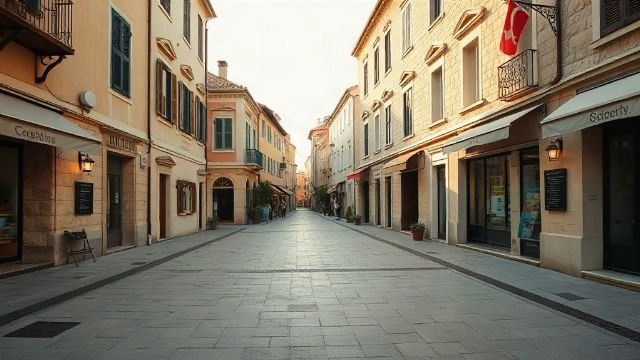
Illustration: AI-generated image
Istria, the largest peninsula in the Adriatic, is often celebrated for its picturesque hilltop towns, truffle-rich forests, and crystal-clear coastline. But beyond its tourism appeal, Istria has quietly developed into one of Croatia's most dynamic business regions. With a strategic location at the crossroads of Central Europe and the Mediterranean, a diversified economy, and a skilled, multilingual workforce, the region offers compelling opportunities for entrepreneurs and investors.
Economic strengths and key sectors
Istria's economy is far from one-dimensional. While tourism and hospitality are the most visible sectors—accounting for a significant share of employment and revenue—the region also boasts a strong tradition in agriculture and food production. Olive oil, wine, and truffles from Istria enjoy protected designation of origin status and are increasingly exported worldwide. The manufacturing sector, particularly shipbuilding and metal processing in the Pula area, remains an important employer. In recent years, information technology and creative industries have experienced notable growth, with a rising number of startups and digital agencies choosing Istria as their base.
Infrastructure and connectivity
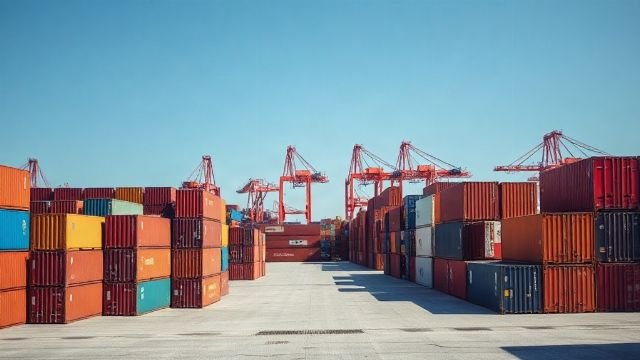
Istria is well connected to both domestic and international markets. The Istrian Y motorway links the peninsula to Slovenia and the rest of Croatia, while Pula Airport offers seasonal flights to major European cities, with increased connectivity during the summer months. The ports of Pula, Rovinj, and Poreč serve both passenger and cargo traffic, facilitating trade across the Adriatic. For businesses that rely on logistics, the proximity to the Port of Trieste in Italy and the Port of Koper in Slovenia provides additional options for importing and exporting goods.
Workforce and talent pool
One of Istria's greatest assets is its people. The region has a long tradition of bilingualism, with Italian widely spoken alongside Croatian, and a growing proficiency in English and German. The local workforce is known for its strong work ethic and adaptability, with many residents having experience in tourism, agriculture, and craftsmanship. Educational institutions, including the Juraj Dobrila University of Pula, offer programs in economics, tourism, and information technology, helping to supply a steady stream of qualified graduates.
Practical considerations for setting up
While Istria offers many advantages, navigating the local business environment requires careful planning. As in the rest of Croatia, entrepreneurs must register their business with the relevant authorities, obtain necessary permits, and comply with tax and labour regulations. The administrative process can be time-consuming, so engaging a local accountant or legal advisor is highly recommended. Building relationships with local partners, suppliers, and municipal officials is also essential, as personal trust and reputation play a significant role in Croatian business culture.
Seasonality and long-term strategy
For businesses tied to tourism, understanding the seasonal nature of Istria's economy is crucial. The summer months bring a surge in visitors, but the off-season can be challenging. Successful businesses often diversify their offerings—for example, a hotel might host corporate retreats or wellness programs in the autumn and winter. The region's year-round appeal as a gastronomic and cultural destination also helps mitigate seasonality, with truffle festivals, wine events, and olive harvest experiences attracting visitors outside the peak summer period.
In conclusion, Istria offers a compelling mix of opportunity and quality of life for those willing to invest time in understanding its unique business landscape. With the right strategy and local partnerships, entrepreneurs can thrive in this beautiful and increasingly dynamic part of Croatia.