Dubrovnik's Feast of St Blaise: A Guide to the Patron Saint Celebration
Learn about the history and traditions of Festa svetog Vlaha, Dubrovnik's grand celebration of its patron saint, held every 3 February.

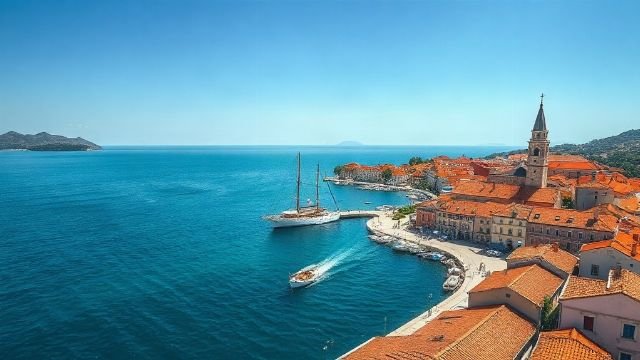
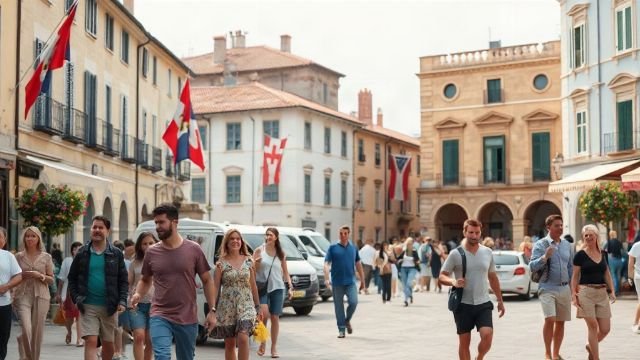
Illustration: AI-generated image
Every year on 3 February, the streets of Dubrovnik come alive with a celebration that has been at the heart of the city for over a thousand years. The Feast of St Blaise (Festa svetog Vlaha) honours the patron saint of Dubrovnik, a tradition recognised by UNESCO as an Intangible Cultural Heritage of Humanity.
The festival is a profound expression of local identity, blending religious devotion with secular pageantry. Whether you are a first-time visitor or a returning traveller, experiencing this day offers a unique window into the soul of the city.
Who was St Blaise?
St Blaise was a 4th-century physician and bishop in Armenia, martyred for his faith. He is venerated as a protector against throat ailments, but in Dubrovnik he holds an even greater role: the city's guardian.
According to legend, in 971, St Blaise appeared in a vision to a local priest, warning of an imminent Venetian attack. The city was saved, and since then, Dubrovnik has honoured him as its patron. His image appears on the city's walls, gates, and flags.
The heart of the celebration
The central event is a solemn procession through the Old Town. Clergy, city officials, and representatives of Dubrovnik's historic guilds carry the relics of St Blaise, along with banners and religious icons. The procession winds through the Stradun, the main street, accompanied by the sound of bells and traditional hymns.
One of the most distinctive traditions is the blessing of throats. On this day, two crossed candles are held against a person's neck as a priest offers a blessing for good health. This practice stems from the belief that St Blaise miraculously cured a boy who had a fishbone stuck in his throat.
Doves and folk customs
As the procession passes, white doves are released as a symbol of peace and the Holy Spirit. In the surrounding region, the feast day is also an occasion for family gatherings and the preparation of special foods, including sweet fritters known as prikle.
In the evening, the celebration often includes concerts, fireworks, and social events. While the religious core remains unchanged, these additions give the day a festive, inclusive spirit.
When and where
The Feast of St Blaise takes place on 3 February each year. The main events begin in the morning with a mass at the Church of St Blaise, located in Luža Square at the end of the Stradun. The procession typically starts around 10:30 a.m. and lasts for about two hours, passing through the main streets of the Old Town.
Visitors are welcome to observe the procession and the throat blessing, which is open to all. To fully appreciate the atmosphere, it is best to arrive early and find a spot along the Stradun or near the cathedral.
Why it matters
The Feast of St Blaise is more than a religious holiday; it is a living link to Dubrovnik's medieval past. The participation of the city's historic guilds, some of which date back centuries, underscores the civic pride that has sustained this tradition through wars, earthquakes, and political changes.
For anyone interested in Croatian culture, attending the festival is a chance to witness a genuine community celebration that has not been commercialised or diluted by tourism. It is a day when the city pauses to remember its protector and celebrate its enduring identity.