Fuži: A Guide to Istria's Handmade Pasta
Discover fuži, the distinctive quill-shaped pasta from Istria, and learn how to make it at home or find it in local konobas.
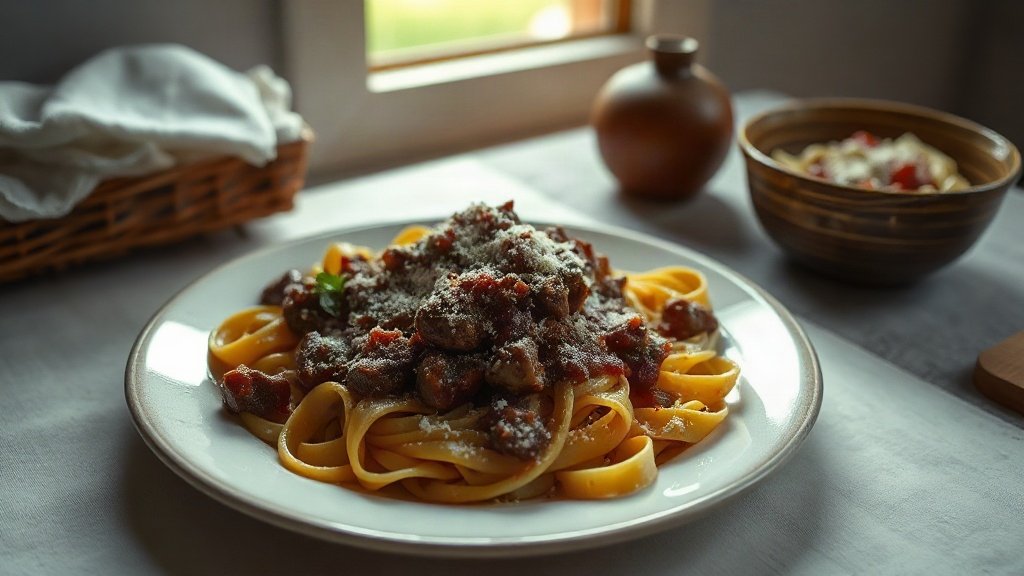
Illustration: AI-generated image
If you have spent any time exploring the food of Istria, you have likely encountered fuži (pronounced foo-zhee), the region's distinctive handmade pasta. Shaped like small quills or rolled tubes, fuži are a cornerstone of Istrian home cooking and a must-try for anyone visiting Croatia's largest peninsula.
What exactly are fuži?
Fuži are a type of fresh pasta made from a simple dough of flour, eggs, and sometimes a little water or olive oil. The dough is rolled thin, cut into diamond shapes, and then each piece is wrapped around a wooden stick or the handle of a wooden spoon to create its signature hollow, cylindrical form. The name fuži is thought to derive from the Italian word fuso, meaning spindle, a nod to the pasta's shape.
Unlike dried pasta, fuži are always made fresh, often in large batches for family gatherings and festive meals. The dough is typically rolled by hand with a rolling pin, though some cooks now use a pasta machine. The result is a tender, slightly chewy pasta that holds sauces beautifully.
How fuži are made
Making fuži at home is a rewarding project, and the technique is easy to master with a little practice. Start with a mound of flour on a wooden board, make a well in the centre, and crack in eggs (usually one egg per 100 grams of flour). Add a pinch of salt and a splash of olive oil, then gradually incorporate the flour into the eggs until a dough forms. Knead until smooth and elastic, then let it rest for about 30 minutes.
Roll the dough out thinly, either with a rolling pin or a pasta machine, and cut it into small diamonds or squares, roughly 4–5 cm across. Take each piece and wrap it around a thin wooden stick, pressing the overlapping edges together to seal. Slide the fuži off the stick and let them dry slightly on a floured tray. They can be cooked immediately or frozen for later use.
Classic sauces and pairings
Fuži are versatile, but they are traditionally paired with rich, hearty sauces that reflect Istria's inland and coastal influences. One of the most beloved combinations is fuži with a slow-cooked meat sauce, often made from beef, pork, or game, simmered with wine, tomatoes, and aromatic herbs. In autumn, fuži with a sauce of wild mushrooms or truffles is a particular treat.
Another classic is fuži with a simple sauce of chicken or rabbit, flavoured with white wine and rosemary. For a lighter option, fuži can be tossed with olive oil, garlic, and fresh herbs, or served with a seafood sauce along the coast. Grated hard cheese, such as Istrian sheep's cheese or Parmesan, is often sprinkled on top.
Where to find fuži in Istria
If you are travelling through Istria, you will see fuži on menus in konobas (traditional taverns) and family-run restaurants throughout the region, from the hilltop towns of Motovun and Grožnjan to the coastal city of Pula. Many agritourism farms also serve homemade fuži as part of a multi-course meal, often paired with local wines like Malvazija or Teran.
For a truly local experience, look for fuži at village festivals or family celebrations, where they are often served as a first course before a main of roasted meat. And if you are feeling inspired, try making a batch at home – the process is as satisfying as the meal itself.
Fuži may be less famous than some Italian pasta shapes, but for Istrians, they are a source of pride and a delicious reminder of the region's culinary heritage. Whether you enjoy them in a rustic konoba or at your own table, fuži are sure to become a favourite.