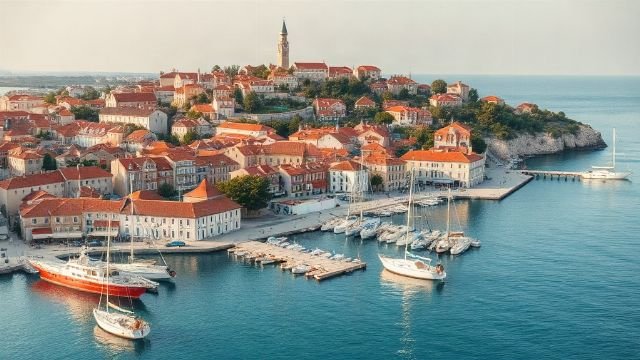
Gradele: A Guide to Croatia's Simple Grilled Fish Tradition
Discover the Dalmatian art of grilling fish over an open fire, a cornerstone of coastal cuisine that lets fresh ingredients shine with just olive oil, garlic and herbs.
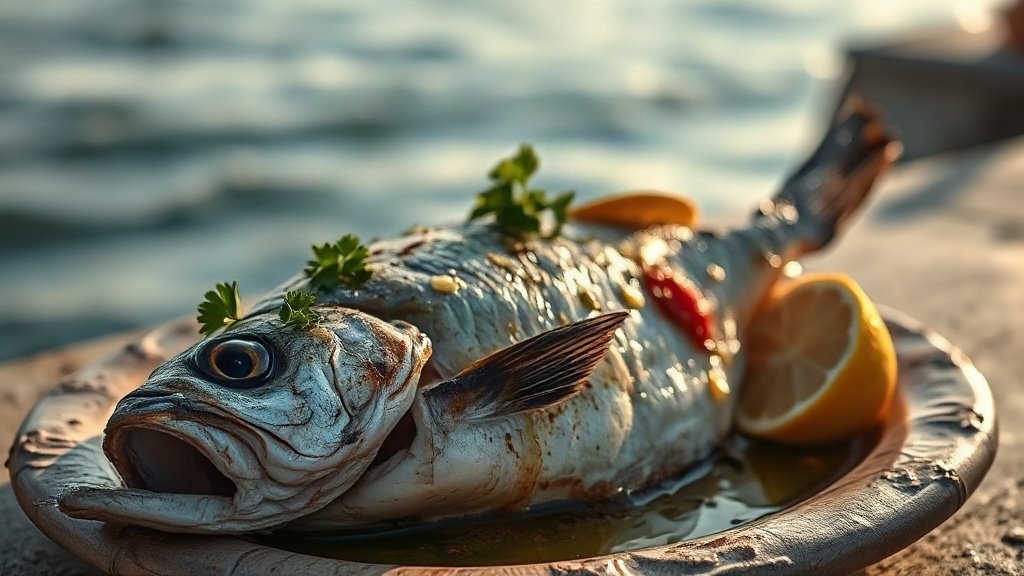
Illustration: AI-generated image
Along Croatia's long Adriatic coast, the simplest meals are often the most memorable. One such tradition is gradele — the art of grilling fresh fish over an open fire. It's a method that has been passed down through generations, relying on little more than good fish, good olive oil and the patience to let the fire do its work.
What is Gradele?
The word gradele refers to the metal grill itself, but in Croatian culinary culture it has come to mean the whole ritual of cooking fish outdoors over wood or charcoal. Unlike heavier stews or elaborate preparations, gradele celebrates the purity of the sea. The fish is usually grilled whole, skin on, and seasoned only with coarse salt, olive oil, garlic and perhaps a squeeze of lemon or a scattering of parsley.
Gradele is not about fancy techniques or secret sauces. It is about respecting the ingredient. Fishermen and home cooks alike know that a perfectly grilled fish needs nothing more than a hot grate and a light hand.
Choosing the Right Fish
The best fish for gradele are firm, white-fleshed varieties that hold up well over direct heat. Locals often use whatever is freshest from the day's catch. Common choices include:
- Sea bream (orada) — delicate yet sturdy, with sweet flesh.
- Sea bass (brancin) — a favourite for its mild flavour and flaky texture.
- Red mullet (trlja) — small, richly flavoured and quick to cook.
- Scorpion fish (škrpina) — ugly but delicious, often used in stews and also excellent grilled.
- Sardines (srdela) — when in season, grilled by the dozen and eaten with bread.
The fish should be gutted and scaled, but the head and tail are usually left on to keep the flesh moist and to add flavour. A light brushing of olive oil prevents sticking and helps crisp the skin.
The Dalmatian Way of Grilling
Traditionally, gradele is cooked over a wood fire, often using vine cuttings or olive wood for a subtle smokiness. The fire is allowed to burn down to hot embers before the fish is placed on the grate. This indirect, steady heat is key — too high a flame will burn the skin before the flesh cooks through.
The fish is grilled slowly, turning once, until the skin is blistered and the meat near the bone is just opaque. Many cooks brush it with a mixture of olive oil, crushed garlic and chopped parsley as it cooks, letting the flavours mingle with the smoke.
Serving and Accompaniments
Gradele is almost always served simply: the whole fish on a platter, drizzled with more olive oil and a squeeze of lemon. On the side, you'll typically find blitva — Swiss chard and potatoes sautéed with garlic and olive oil — or a fresh green salad. Crusty bread is essential for mopping up the juices.
Wine is the natural companion, with a crisp white such as Pošip or Malvazija cutting through the richness of the olive oil. For a true Dalmatian experience, the meal is eaten slowly, outdoors, with good company and the sound of the sea nearby.
Trying Gradele at Home
You don't need a Croatian seaside to enjoy gradele. A charcoal grill or even a cast-iron grill pan can work well. The key is to start with the freshest fish you can find, season it lightly and let the natural flavours shine. Use a mild wood like oak or fruit wood if you can, and resist the urge to over-handle the fish on the grill.
Whether you're grilling a whole sea bream on a summer evening or simply dreaming of the Adriatic coast, gradele is a reminder that sometimes the best food is the least complicated.