How Croatian Property Is Described: A Reader's Guide to Listings
Croatian property adverts use a few terms that can puzzle newcomers. Here is what common phrases mean and which questions are worth asking before you view a home.
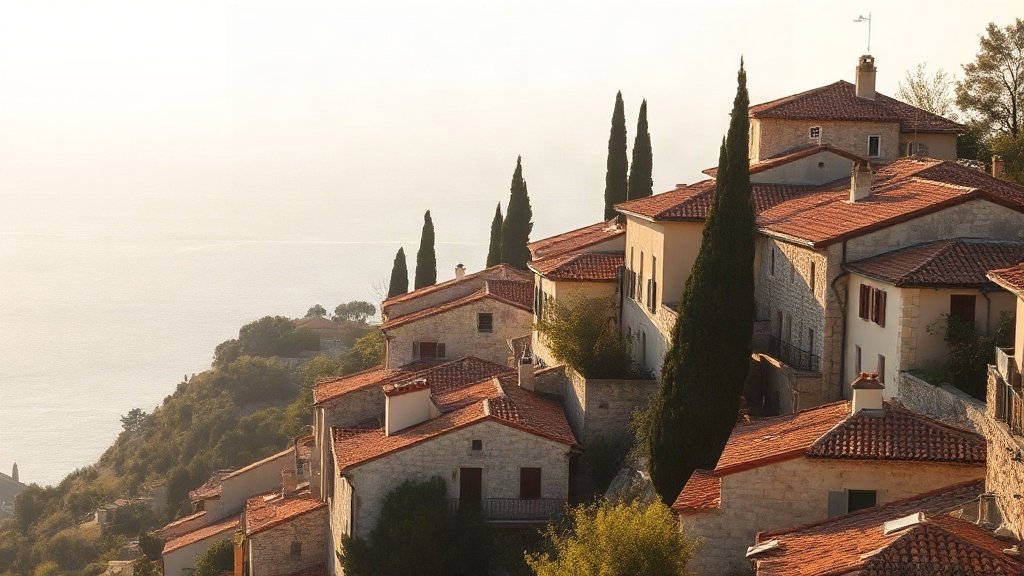
Illustration: AI-generated image
Scroll through a Croatian property portal and you will soon meet words that translation tools handle badly. Understanding a handful of them makes searching quicker and helps you spot what an advert is not telling you.
Reading the floor area
Listings usually give the size in square metres, written as m2. Look for whether the figure is the gross area or the usable living space. The Croatian word neto points to the net area inside the walls, while bruto includes things such as walls and sometimes balconies or terraces. The difference can be considerable, so it is sensible to ask which one is being quoted.
Common terms you will see
- Stan: an apartment.
- Kuća: a house. A katnica is a multi-storey house, and a prizemnica is a single-storey one.
- Građevinsko zemljište: building land, which is different from agricultural land (poljoprivredno zemljište).
- Etaža: a floor or level. Visoko prizemlje means a raised ground floor.
- Useljivo: ready to move into.
- Za adaptaciju: needs renovation.
- Namješteno: furnished.
Documents worth asking about
Three papers come up again and again in Croatian property purchases. The first is the land registry extract (zemljišnoknjižni izvadak), which shows who is registered as the owner and whether there are any mortgages or other burdens on the property. The second is the cadastral record, which describes the parcel and the building. The third is the use permit (uporabna dozvola), which indicates that a building was completed in line with its permit.
Mismatches between these records are not unheard of, particularly with older family homes or buildings that were extended over the years. A lawyer or a notary familiar with local practice can help you check that everything lines up.
Practical questions before you view
- Is the seller the person registered in the land registry?
- Does the building have a use permit, and does the actual layout match the plans?
- Which costs sit on top of the asking price, such as agent fees, taxes and legal help?
- For apartments, what are the monthly building maintenance costs, and who manages the building?
- For land, is it truly building land, and what can legally be built on it?
Why it pays to go slowly
Listings are marketing, and descriptions such as odlična lokacija (excellent location) or blizu mora (close to the sea) are not measured in any standard way. Visiting in person, asking for documents early and getting independent advice will tell you far more than the headline words in an advert.
Rules on taxes, foreign buyers and registration can change, so check current requirements with a qualified professional before committing to anything.