How to Decorate Pisanice: Croatia's Traditional Easter Eggs
Discover the timeless craft of Croatian Easter egg decorating, from natural dyes to wax-resist patterns, and how to create your own at home.
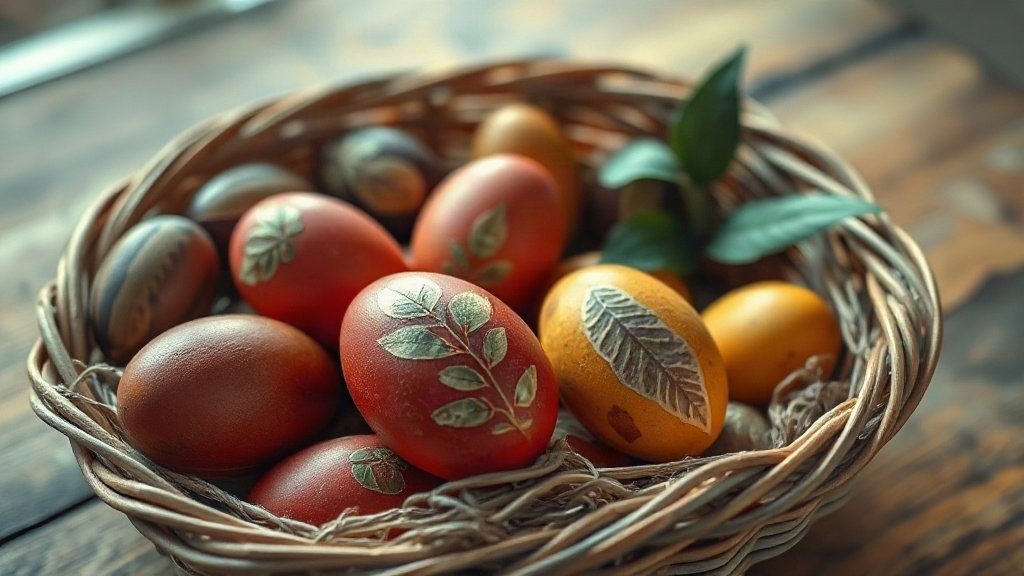
Illustration: AI-generated image
As Easter approaches, Croatian homes fill with the colours of pisanice—hand-decorated eggs that have been part of the country's spring traditions for centuries. The craft is simple enough for beginners yet offers endless room for creativity, and it connects you to a rich folk heritage that stretches back long before the Christian era.
A Symbol of Spring and Renewal
Eggs have been a symbol of new life and fertility across many cultures, and in Croatia they became intertwined with Easter celebrations. The word pisanica comes from pisati, meaning 'to write' or 'to draw', reflecting the decorative motifs that are applied to the shells. Traditionally, the eggs were dyed using plants and roots, then decorated with wax, scratched patterns, or natural leaf imprints.
Natural Dyes from Your Kitchen
Before commercial dyes, households used whatever was at hand. Onion skins remain the most popular, producing warm browns and deep reds, while red beet gives a pinkish hue, and spinach or nettle yields soft greens. To make the dye, simmer the chosen material in water with a splash of vinegar, then add hard-boiled eggs and simmer until the desired shade is reached. The longer they sit, the deeper the colour.
- Onion skins (brown/red)
- Red beet (pink)
- Turmeric (yellow)
- Red cabbage (blue)
- Spinach or nettle (green)
Wax-Resist: Drawing with Beeswax
One of the oldest techniques involves applying melted beeswax to the egg before dyeing. You can use a pinhead, a small stick, or a traditional wooden stylus with a metal nib. Draw your design—geometric shapes, rosettes, crosses, or words like 'Sretan Uskrs' (Happy Easter)—then dip the egg in cool dye. The wax protects those areas, leaving white or lighter lines against the coloured background. Once dry, gently warm the egg to wipe off the wax and reveal the pattern.
Leaf Imprints for Natural Beauty
For a simpler method, place a small leaf or fern frond against the eggshell, wrap it tightly in a piece of old nylon stocking or cheesecloth, then boil or soak in dye. The leaf blocks the colour, leaving a delicate botanical silhouette. Experiment with different leaf shapes and dye layers for unique results.
Displaying and Sharing Your Pisanice
Traditionally, pisanice are given as gifts to friends and family, especially to children, and they often grace the Easter breakfast table. You can arrange them in a bread basket lined with a linen cloth, or hang them from branches of pussy willow or forsythia for a festive centrepiece.
Decorating pisanice is a lovely way to slow down and connect with Croatian customs, whether you are celebrating Easter or simply welcoming spring. With a few pantry ingredients and a little patience, you can create eggs as meaningful as they are beautiful.