How to Make Ajvar: Croatia's Beloved Red Pepper Relish
Ajvar is a smoky, sweet spread made from roasted red peppers, often with aubergine. Here's how to make it at home, step by step.
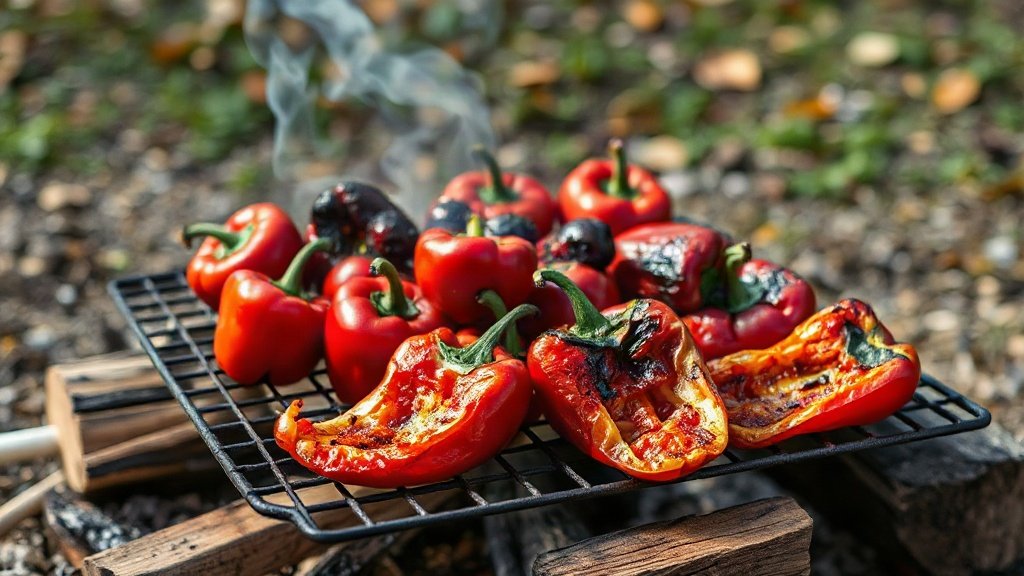
Illustration: AI-generated image
Ajvar is more than a condiment—it's a symbol of autumn in Croatia, when the air fills with the smell of roasting peppers. This thick, vibrant spread is made from red bell peppers (and sometimes aubergine), roasted until charred, then peeled, cooked slowly, and seasoned simply with salt, oil, and a little vinegar or garlic depending on region. It's a staple on winter tables, served with bread, meats, or as a side. Making ajvar at home is a labour of love, but the result is far superior to most store-bought versions.
Choosing the right peppers
The best ajvar starts with fully ripe, deep red bell peppers. In Croatia, the traditional variety is roga (horn), prized for its meaty flesh and natural sweetness. Look for them at farmers' markets from late summer into early autumn. A good rule of thumb is that 5 kg of peppers will yield roughly 1.5–2 kg of ajvar. Some families add aubergine (about one quarter of the pepper weight) for extra creaminess, while purists stick to peppers alone.
Roasting and peeling
Roast the peppers whole—and the aubergines, if using—over an open flame, on a barbecue, or in a very hot oven until the skins are blackened and blistered all over. The char is what gives ajvar its signature smoky depth. Once roasted, place the peppers in a covered pot or a sealed plastic bag to steam for 20–30 minutes. This loosens the skins and makes peeling much easier. Remove the skins, stems, and seeds, but do not rinse the peppers, as that would wash away flavour.
Cooking the ajvar
Mince or coarsely blend the peeled peppers. Some cooks prefer hand-chopping for a chunkier texture. Transfer to a wide, heavy-bottomed pot and cook over low heat with a little sunflower or olive oil, stirring frequently to prevent sticking. The traditional method is slow—anywhere from 2 to 5 hours—until the mixture thickens, darkens, and the oil begins to separate. Season simply with salt, and optionally a splash of vinegar or a crushed clove of garlic. Some families add a pinch of sugar, but it is not necessary if the peppers are sweet enough.
Jarring and storing
Sterilise glass jars and lids in boiling water. While the ajvar is still very hot, fill the jars, leaving a little headspace. Seal immediately. For long-term storage, process the jars in a boiling water bath according to reliable canning guidelines. Once opened, keep refrigerated and use within a few weeks. Ajvar also freezes well in small containers.
Serving suggestions
Ajvar is incredibly versatile. Spread it thickly on fresh bread, serve alongside grilled meats or ćevapi, add a spoonful to eggs or sandwiches, or use it as a dip. It also brings a rich, smoky note to stews and sauces. In many Croatian homes, autumn ajvar-making is a family affair, with everyone helping to roast, peel, and stir. The reward is a pantry full of jars that capture the essence of a Croatian summer.