How to Make Traditional Croatian Ajvar: A Step-by-Step Guide
Autumn in Croatia means the scent of roasting peppers. Learn how to make ajvar, the beloved red pepper and aubergine relish, with this practical guide.
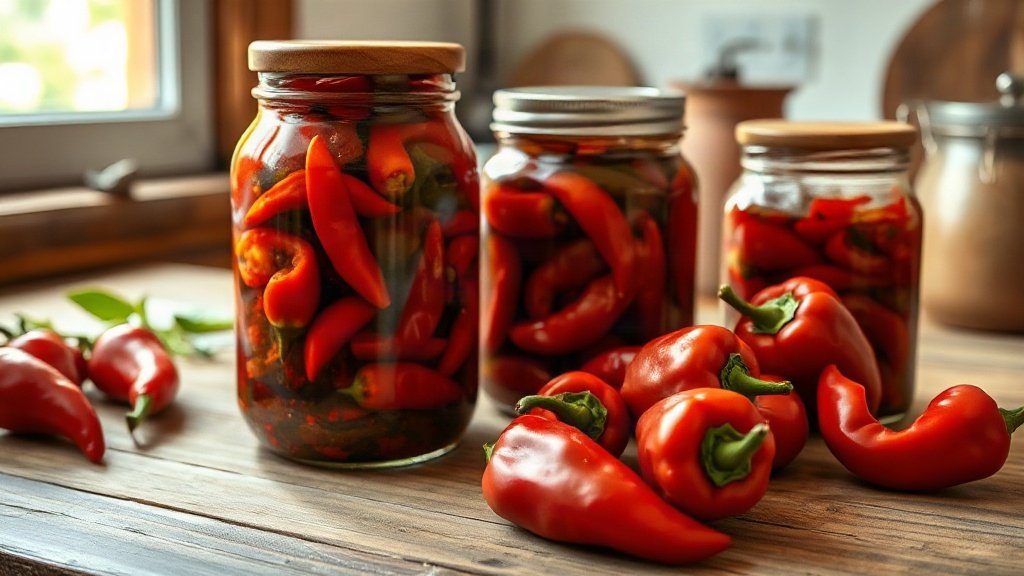
Illustration: AI-generated image
Few things signal autumn in Croatia like the smell of roasting peppers drifting from back gardens and balconies. Families gather to make ajvar, a rich, smoky relish made from red peppers and aubergines. It is a labour of love that fills pantry shelves and brings a taste of summer to winter tables. Whether you are new to Croatian cooking or simply want to try a rewarding kitchen project, making ajvar is easier than you might think.
What is ajvar?
Ajvar is a thick, spreadable condiment with a deep red colour and a sweet, slightly smoky flavour. Traditionally made in the Balkans, it is served alongside grilled meats, spread on fresh bread, or stirred into stews. In Croatia, it is especially popular in autumn, when red peppers are at their peak. Many families have their own recipe, passed down through generations, and the process often becomes a social event.
Choosing your ingredients
The heart of ajvar is the red pepper. Look for fleshy, sweet varieties such as roga or babura, which are common in Croatian markets. You will also need aubergines, which add body and a subtle earthiness. Good-quality sunflower or olive oil, garlic, a little vinegar, and salt round out the flavour. Some cooks add a pinch of chilli for heat, but classic ajvar is mild and sweet.
Step-by-step method
- Roast the vegetables. Wash the peppers and aubergines, then roast them whole on a grill, over a gas flame, or in a hot oven until the skins are blackened and blistered. This step gives ajvar its signature smokiness.
- Steam and peel. Place the hot vegetables in a covered bowl or sealed bag for about 15 minutes. The steam loosens the skins, making them easy to peel. Remove all skins, stems, and seeds from the peppers.
- Drain the pulp. Put the peeled vegetables in a colander or muslin cloth and let them drain for several hours or overnight. Removing excess liquid is crucial for a thick, concentrated relish.
- Cook the mixture. Mince or finely chop the drained vegetables, then cook them slowly in a wide pot with oil, stirring frequently. Traditional recipes simmer the mixture for several hours until it becomes thick and glossy.
- Season and jar. Near the end of cooking, add crushed garlic, vinegar, and salt to taste. While still hot, spoon the ajvar into sterilised jars, seal tightly, and turn upside down to create a vacuum.
Tips for the best results
- Use ripe, deeply coloured peppers for a naturally sweet flavour and vibrant colour.
- Do not rush the roasting step; the charred skins are what give ajvar its distinctive smoky taste.
- Cook the mixture slowly over low heat, stirring often to prevent sticking and to develop flavour.
- If you prefer a smoother texture, pass the cooked vegetables through a food mill before simmering.
- Store jars in a cool, dark place. Once opened, keep refrigerated and top with a thin layer of oil to preserve freshness.
Storing and enjoying
Properly sealed jars of ajvar can last for months, making it a wonderful way to preserve the harvest. Serve it with ćevapi, spread it on a slice of crusty bread with feta, or add a spoonful to soups and sauces. Homemade ajvar also makes a lovely gift for friends and neighbours who appreciate a taste of Croatia.