How to Order Coffee in Croatia Like a Local
From the essential kava to the creamy bijela kava, here’s your cheat sheet to ordering coffee the Croatian way, and the etiquette that goes with it.
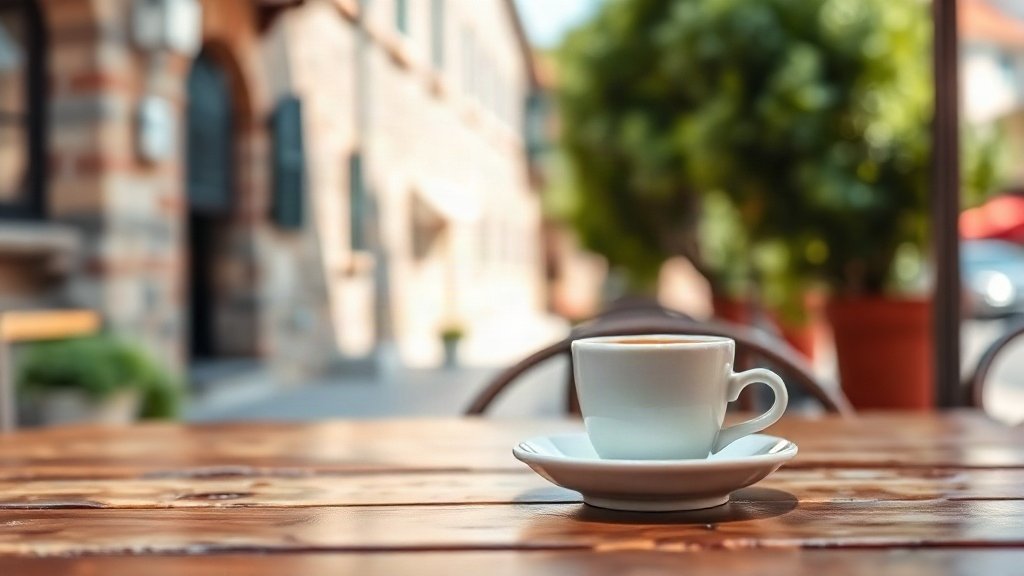
Illustration: AI-generated image
In Croatia, coffee is never just a quick caffeine fix. It's a ritual, a reason to pause, and the social glue that holds together mornings, afternoons and long conversations on sunny terraces. Whether you're an expat settling in or a visitor wanting to blend in, knowing how to order coffee like a local will open doors and earn you a nod of approval.
The Basics of Croatian Coffee
You'll find two words for coffee: kava (from the Italian "caffè") and kafa (from the Turkish tradition, more common in the continental parts). Both mean the same thing, and you'll be understood either way. In most cafes, especially along the coast, the influence is strongly Italian, so the espresso machine rules. But Croatian coffee culture has its own twists.
When you sit down, a waiter will usually come to your table. You don't order at the counter unless it's a bakery or a fast-service spot. Take your time, look around, and enjoy the pace. Nobody rushes you to order or to leave.
What to Order
Here's a cheat sheet to the most common coffee orders:
- Espresso (or just kava): a short, strong shot. This is the default order for many locals.
- Macchiato: espresso with a small dollop of milk foam. If you want it "with milk" on the side, ask for s mlijekom.
- Cappuccino: espresso with steamed milk and foam, usually dusted with cocoa or cinnamon. Popular in the morning.
- Latte macchiato: a tall glass of steamed milk with a shot of espresso on top, layered beautifully.
- Bijela kava (white coffee): similar to a latte, but often made with more milk and sometimes less foam. Very common, especially in Zagreb and the north.
- Produžena kava (extended coffee): a long black, made by adding hot water to an espresso. If you want an Americano, this is it.
And if you're feeling adventurous, try kava s mlijekom (coffee with milk) which is often just espresso with cold milk served separately, so you can mix it yourself.
Don't expect a huge menu of syrups and fancy iced drinks. Croatian cafes keep it simple, and the quality of the coffee itself is the star.
Cafe Etiquette
Croatians drink coffee slowly. A single espresso can last an hour, accompanied by a glass of water (which is always served with coffee) and good conversation. It's completely normal to sit alone with a newspaper or a phone; nobody will pressure you to leave.
Payment: traditionally, you pay when you leave, not when the coffee arrives. The waiter will bring the bill when you ask for it (molim račun – "the bill, please"). In busier tourist areas or smaller kiosks, you might pay upfront, but at a classic cafe, you settle at the end.
Smoking is still common on outdoor terraces, though indoor smoking is banned. If you're sensitive, choose a table away from the ashtrays or sit inside.
Beyond the Cup
Ordering coffee in Croatia is about more than just the drink. It's a signal that you're ready to slow down and enjoy the moment. So next time you're in Split, Zagreb or Dubrovnik, find a sunny square, order a bijela kava, and watch the world go by. Just don't ask for it to go – that's not how it works here.