How to Play Picigin: Croatia's Beloved Beach Ball Game
Discover the simple rules and rich tradition of picigin, the lively ball game played in the shallow waters of Croatia's Adriatic coast.
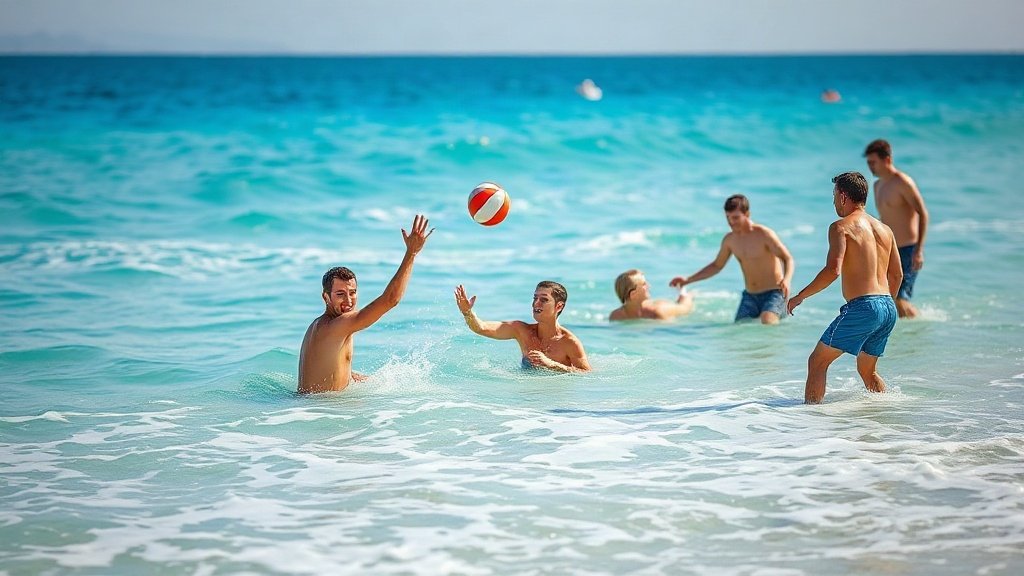
Illustration: AI-generated image
On any sunny day along Croatia's Dalmatian coast, you might spot a group of people splashing in ankle-deep water, diving and leaping to keep a small ball from touching the sea. This is picigin, a beloved beach game that originated in Split and has become a symbol of carefree summer fun. No score, no winners, just pure joy and acrobatic skill.
What is Picigin?
Picigin (pronounced pee-tsee-geen) is a traditional ball game played in shallow water on sandy beaches. It emerged in the early 20th century in Split, where locals adapted water polo techniques to create a more relaxed pastime. The game originally used a ball made of rags, but today players use a small rubber ball, about the size of a tennis ball but much bouncier. The spiritual home of picigin is Bačvice beach in Split, a shallow sandy bay that provides the perfect conditions. The game has spread along the Adriatic coast and is now played wherever there is calm, shallow water and a sandy bottom.
The Basics of Play
Picigin requires no fixed number of players, though a typical game involves five to ten people standing in a circle, with water up to their calves or knees. One player tosses the ball into the air, and others must hit it with an open palm to keep it from touching the water. The ball is never caught or held; it is always redirected with a slap or a dive. Players can move freely, often sprinting, jumping, or diving to reach the ball. The goal is simply to keep the ball airborne as long as possible. There are no points, no teams, and no time limit.
The key skills are anticipation, agility, and a willingness to get wet. Because the ball is light and the water slows movement, successful play requires creative dives and quick reflexes. It is not unusual to see players performing spectacular leaps and flips, drawing applause from onlookers.
Tips for Newcomers
Joining a game of picigin is easy and welcoming. Locals are generally happy to include newcomers, especially if you show enthusiasm. Here is how to get started:
- Find the right spot: Look for a sandy beach with calm, shallow water. Bačvice in Split is the most famous, but many beaches along the coast have suitable areas.
- Get a proper ball: Picigin balls are small and very bouncy. They are sold at sports shops and beach stalls in coastal towns. A regular tennis ball can work in a pinch, but it is heavier and less suited to the game.
- Watch and learn: Observe a game for a few minutes to understand the rhythm. Then simply ask if you can join, or start your own circle with friends.
- Hit, don't catch: Use an open palm to slap the ball upward or toward another player. Avoid grabbing it, as that stops the flow.
- Be ready to dive: Part of the fun is the acrobatics. Don't be afraid to fall into the water; it is all part of the game.
- Play for fun: There are no referees, no rules about how many touches each player can have, and no penalties. The only goal is to keep the ball alive.
Picigin is more than a game; it is a social ritual. Players often shout and cheer, and the atmosphere is always light-hearted. It is common to see mixed groups of all ages, from children to grandparents, playing together. The best time to play is on warm days from late spring to early autumn, but some enthusiasts play year-round on sunny winter days.
Whether you are a visitor or a new resident, picigin offers a perfect way to connect with Croatian coastal culture. So next time you are at the beach, grab a ball, wade into the shallows, and give it a try. You might just discover your new favourite summer pastime.