How to Read a Croatian Land Registry Excerpt
The land registry excerpt is the most important document for anyone buying or investing in Croatian property. This guide explains what it shows, how to obtain it, and how to read it correctly.
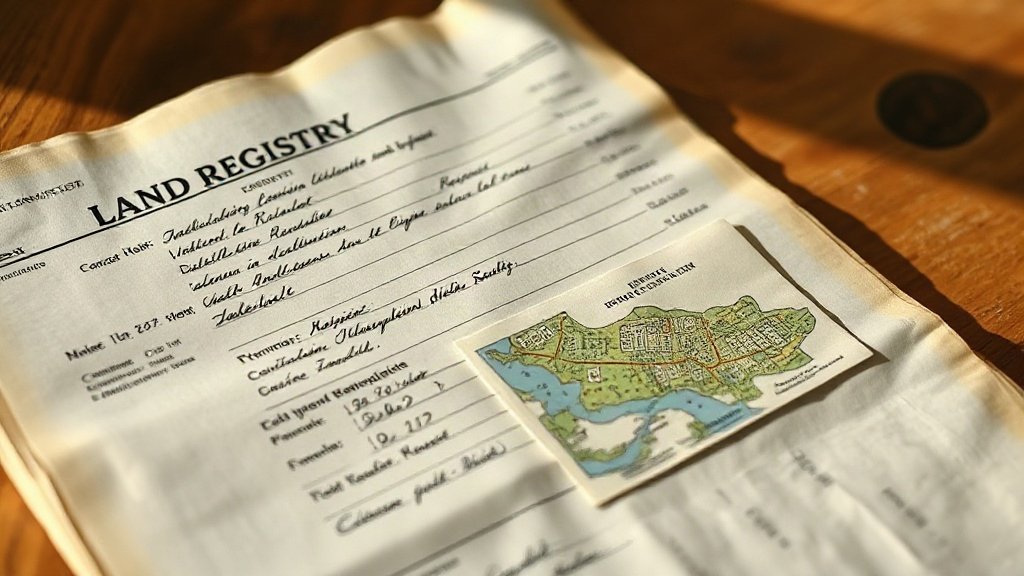
Illustration: AI-generated image
The Croatian land registry (zemljišna knjiga) is the official record of who owns what and what burdens exist on any parcel of land or building. For business owners, investors, or anyone buying property, the excerpt from this registry is the single most important document to review before any transaction. It tells you not just who owns the property, but whether there are mortgages, court claims, or other restrictions that could derail a deal or create future liabilities.
Unlike a simple sales listing, the excerpt is a legally certified public record. It is updated by municipal courts and follows a standardised format across the country. Knowing how to read it gives you an immediate, objective view of the property's legal health.
What the Excerpt Shows
The Croatian land registry is organised around three interconnected lists, often called sheets A, B, and C. Sheet A (posjedovnica) contains the property's technical data: cadastral municipality, plot number, surface area, land use category, and any buildings. Sheet B (vlastovnica) lists all owners, their personal identification numbers (OIB), and their respective shares. Sheet C (teretovnica) records encumbrances and restrictions, such as mortgages, easements, liens, and any pending court disputes or pre-emption rights.
How to Obtain One
Land registry excerpts are public documents, meaning anyone can request them for any property. The most convenient method is through the official e-Land Registry portal, which allows you to search by cadastral parcel number or by owner's name. Alternatively, you can visit a municipal court's land registry office in person. For legal transactions, you may need a certified excerpt, which carries a small administrative fee.
To use the online service, you will need the cadastral municipality and parcel number, which you can find on any cadastral map or property tax document. The portal provides an unofficial excerpt instantly; for official purposes, you can request a certified copy through the same system.
Reading the Three Sheets
Start with Sheet A to confirm the property matches the physical location and description you expect. Check for any discrepancies between the cadastre and land registry data, as unresolved mismatches can delay transactions or even invalidate a sale. Pay attention to the land use category, because changing it later may require permits and time.
Move to Sheet B to verify who actually owns the property and whether shares add up to 100%. If there are multiple owners, all must agree to sell unless a court has ruled otherwise. Finally, scrutinise Sheet C for any mortgages, servitudes, or notes about ongoing legal cases that could affect your use or transfer of the property.
Red Flags to Watch For
A clean Sheet C is ideal, but many properties have some encumbrances. Common issues include a mortgage held by a bank, which will need to be settled or transferred; an easement giving someone else the right to use part of the land; or a note indicating a lawsuit over ownership. If you see an entry you don't understand, do not ignore it. Consult a licensed Croatian lawyer or notary public to interpret the implications.
Remember that the land registry excerpt reflects the legal situation at the moment it is issued. Always obtain a fresh excerpt before signing any contract, and for significant investments, combine it with a cadastral certificate and a review of the property's tax status. With due diligence, this document is your best friend in Croatian real estate.