How to Read Your Croatian Utility Bills: A Simple Guide
Confused by the numbers on your monthly statements? Here's a plain-English guide to the typical utility bills you'll receive in Croatia, from electricity to waste collection.
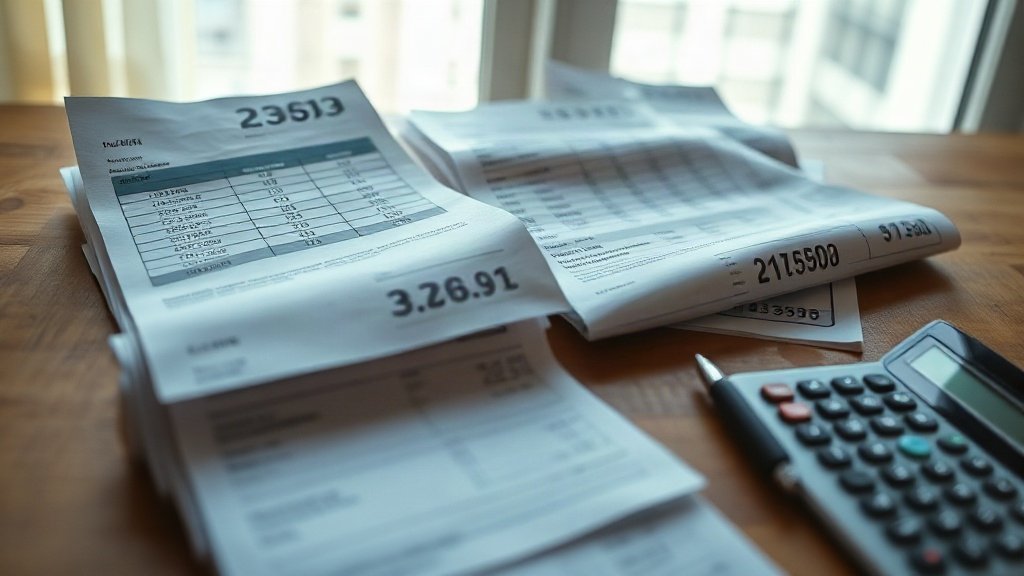
Illustration: AI-generated image
Moving to Croatia or simply trying to get a handle on your monthly expenses? The utility bills that arrive in your postbox or inbox can look confusing at first, but once you understand the basic structure, they are fairly straightforward. Here is a plain-English guide to the most common utility bills you will encounter in Croatia and what each section means.
The anatomy of a bill
Almost every utility bill in Croatia follows a similar layout. At the top you will find your name, address, and a unique customer or account number. Below that is the billing period — typically one month, but sometimes two months for water. The most important part is the consumption section: it shows the previous meter reading, the current reading, and the difference, which is your usage for that period. The bill then multiplies your usage by the unit price, adds any fixed charges, and calculates the total including VAT (PDV).
Electricity
Electricity bills are usually issued by the national supplier and are based on kilowatt-hours (kWh). Many households in Croatia are on a two-tariff system: a higher daytime rate (viša tarifa) and a lower night-time rate (niža tarifa). The bill will show your consumption in each tariff. There is also a fixed monthly fee for the connection, regardless of how much electricity you use.
Water and sewage
Water is billed by the cubic metre (m³) and typically includes charges for both water supply and wastewater treatment. The bill may be issued every month or every two months depending on your area. Some municipalities charge a flat rate based on the number of household members if you do not have a water meter, but most modern homes have meters.
Gas
If your home is connected to the natural gas network, you will receive a separate gas bill. Consumption is measured in cubic metres, but the bill often converts it to kilowatt-hours for pricing. Like electricity, there is a fixed distribution charge. Gas usage typically spikes in winter if you use it for heating.
Waste collection
Waste collection is usually charged by your local utility company, either as a fixed monthly amount or an annual charge per household member or per square metre of your property. It is often included in the same bill as your water or can come as a separate invoice. The fee covers regular collection of mixed waste and sometimes recycling.
TV licence (HRT pristojba)
Every household in Croatia with a radio or television receiver is required to pay a monthly licence fee to the national broadcaster. This is often collected together with your electricity bill, so you may see it as a separate line item. The fee is the same regardless of how many televisions you own.
How to pay
Most utility bills can be paid through online banking, by direct debit, or in person at the post office or other payment points. The bill will include a payment slip with a barcode, making it easy to scan or enter the reference number. Always double-check the reference number and amount before confirming the payment.
A few practical tips
Keep your bills for at least a year in case of disputes. If your consumption suddenly jumps, check for leaks or faulty appliances. Finally, remember that many utilities offer the option to receive bills electronically, which can save paper and help you keep your records organised.
Understanding your bills is the first step to feeling at home in Croatia. Once you know what each charge is for, you can budget more accurately and spot any mistakes quickly.