Linđo: A Guide to Dubrovnik's Lively Folk Dance
Discover Linđo, the energetic traditional dance from the Dubrovnik region, its history, steps, and where to see it performed.

Illustration: AI-generated image
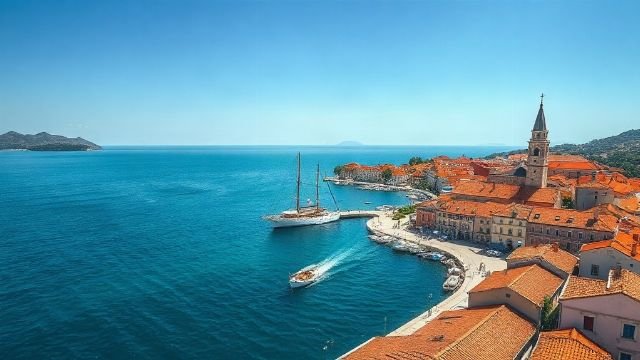
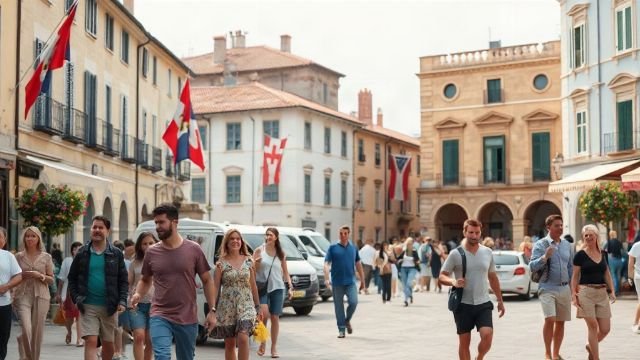
If you have ever wandered through the stone streets of Dubrovnik on a summer evening, you may have heard the lively sound of a lijerica and seen locals dancing in a circle. This is Linđo, the most famous folk dance of the Dubrovnik region. Fast, spirited, and deeply rooted in local identity, Linđo is more than just entertainment—it is a living tradition that connects modern Dubrovnik with its past.
Origins and history
Linđo takes its name from a traditional nickname for a man from the Župa Dubrovačka area, but the dance itself is believed to have developed over centuries in the villages around Dubrovnik. It is performed across the entire Dubrovnik-Neretva County, from the Konavle valley to the Pelješac peninsula and the islands. The dance is usually accompanied by the lijerica, a small three-stringed fiddle played with a bow, which provides both melody and rhythm. The music sets a quick tempo that demands agility and stamina from the dancers.
How it is performed
Linđo is a circle dance, but unlike many other Balkan kolo dances, it is led by a single dancer who stands in the centre and calls out instructions. The leader, often playing the lijerica while dancing, shouts short phrases or names, and the circle responds with a change of step or direction. The basic step is a light, bouncing movement, with dancers holding hands and moving in a counter-clockwise direction. The dance can be improvised, with the leader introducing new figures and challenging the dancers to follow. It is a social dance that invites participation, and at public performances tourists are often encouraged to join.
Where to experience it
The best place to see Linđo is in Dubrovnik itself. During the summer months, folklore ensembles regularly perform on outdoor stages in the Old Town, often as part of the Dubrovnik Summer Festival. The Linđo Folklore Ensemble, named after the dance, is the city's most famous group and has been performing since 1965. Outside the festival, smaller groups can be seen at local celebrations, weddings, and cultural events throughout the region. If you are visiting Konavle or the islands, you may also encounter spontaneous performances during village fiestas.
Why it matters
Linđo is more than a tourist attraction; it is a symbol of local pride and continuity. In 2015, the dance was inscribed on Croatia's list of intangible cultural heritage. For the people of Dubrovnik, performing Linđo is a way of keeping their unique identity alive in a city that has become one of the world's most visited destinations. Learning the basic steps is a joyful way to connect with the local culture, and even watching a performance gives you a glimpse of the energy and spirit that define this part of Croatia.