Living with a Dog in Croatia: A Practical Guide for Owners
From beach rules to registering your pet, here's what every dog owner should know before settling in Croatia.
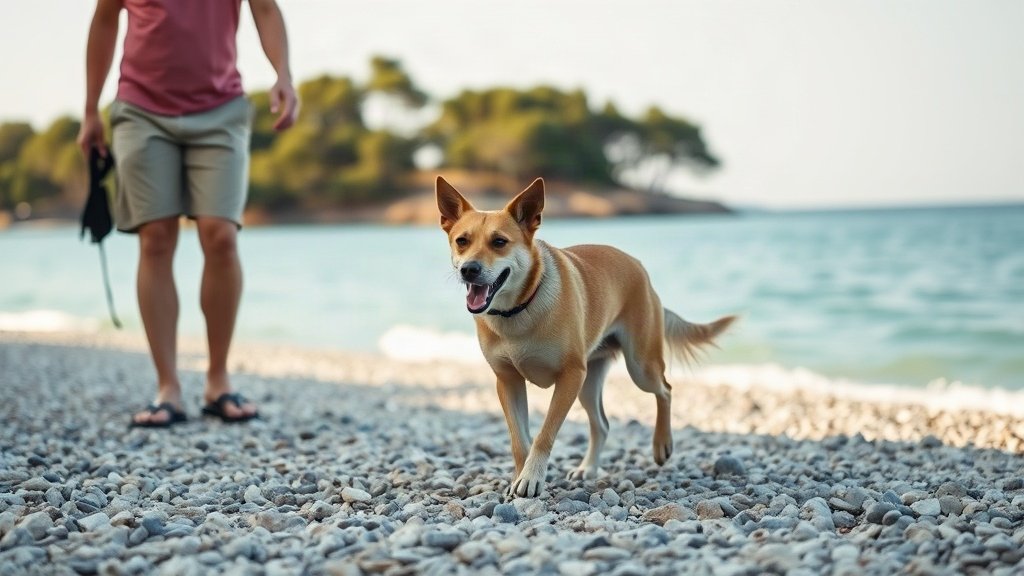
Illustration: AI-generated image
Croatia is a wonderfully dog-friendly country, but like anywhere, life with a canine companion comes with a few local rules and habits worth knowing. Whether you are moving here, spending a season, or simply visiting with your pet, a little preparation goes a long way.
Registration and vet basics
All dogs in Croatia must be microchipped and registered in the national dog registry. This is usually arranged by a vet when you first bring your dog in for a check-up. Rabies vaccination is also compulsory, and many vets will remind you when a booster is due.
If you are arriving from another EU country, your dog should have an EU pet passport. Dogs from outside the EU need a health certificate and proof of rabies vaccination. It is always wise to check current entry requirements well before you travel, as rules can change.
Vets are easy to find in towns and cities, and many speak English. Keep a copy of your dog's health records with you, especially if you plan to travel between regions.
Walking and leash rules
In most urban and residential areas, dogs must be kept on a leash in public spaces. This includes parks, promenades and town squares unless a sign clearly marks an off-leash zone. Designated dog parks exist in many larger towns, offering a safe place for socialisation.
When walking along quieter countryside paths or forest trails, you may let your dog off the lead if they respond well to voice commands and you are far from roads or livestock. Always carry a lead with you, as you never know when you will meet another dog, a cyclist or a family with small children.
Cleaning up after your dog is mandatory everywhere. Most towns provide waste bag dispensers and bins, but it's smart to carry your own supply.
Beaches and swimming
Croatia's coastline is famous, and many dogs love the sea. However, rules for dogs on beaches vary from one municipality to another. In general, dogs are more welcome outside the main tourist season, or early in the morning and late in the evening during summer. Some beaches are completely dog-free, while others have a marked section for pets.
Before heading to the coast, check local signs or ask at the tourist office. When allowed, keep your dog on a lead near the water's edge and always bring fresh drinking water. The Adriatic is salty, and dogs should not drink seawater. Rinse your dog after swimming to remove salt and sand from their coat.
Hot summer days call for extra care. Walk your dog early or late, avoid hot asphalt and pebbles that can burn paws, and never leave a dog in a parked car.
Pet etiquette in everyday life
Croatians generally love dogs, and you will see them in cafés, on terraces and even in some shops. Still, always ask before entering a café or restaurant with your dog. Many places will welcome a calm, well-behaved pet, especially if you sit outside. A water bowl is often provided on request.
When using public transport, small dogs are usually allowed in carriers, while larger dogs may need a muzzle and lead. Rules differ between cities and bus companies, so check ahead. In apartment buildings, be mindful of neighbours: keep noise down and use the lift only when it is not crowded.
Finally, remember that Croatia has a strong outdoor culture. Take advantage of the many hiking trails, forest paths and coastal promenades. With a little common sense and respect for local rules, your dog can enjoy the Croatian lifestyle just as much as you do.