Neretva Mandarins: A Guide to Croatia's Sweet Winter Citrus
Discover why the Neretva Valley’s mandarins are prized across Croatia, how to choose them, and the best ways to enjoy this seasonal delicacy.
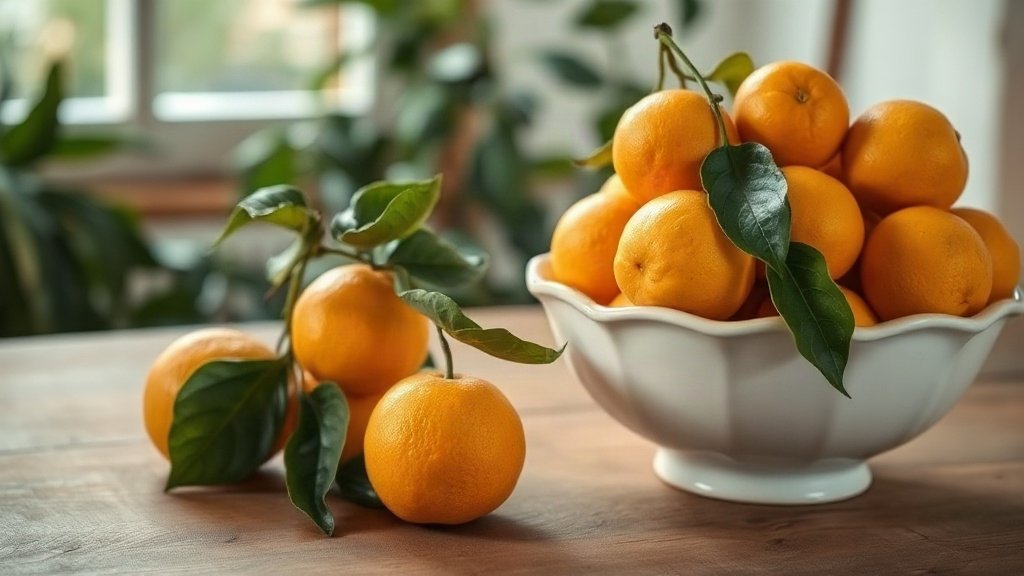
Illustration: AI-generated image
The Neretva Valley in southern Dalmatia is synonymous with mandarins. From late autumn through winter, the region's groves produce a fruit that has earned Protected Designation of Origin status, a mark of its unique quality tied to the local soil and climate. For locals and visitors alike, these mandarins are a highlight of the cold-weather months.
What Makes Neretva Mandarins Special
The valley's mild Mediterranean climate, with plenty of sunshine and the cooling influence of the Neretva River, creates ideal conditions for growing exceptionally sweet and aromatic mandarins. Unlike many imported varieties, Neretva mandarins are allowed to ripen fully on the tree before picking, which deepens their flavour and gives the peel a vibrant orange colour that sometimes retains a hint of green—a sign of natural ripening, not immaturity.
How to Choose and Store
When buying Neretva mandarins, look for fruits that feel heavy for their size, with smooth, glossy skin and a fresh, citrusy scent. Avoid any with soft spots or mould. At home, store them in a cool, well-ventilated place; they will keep for up to two weeks. For longer storage, the refrigerator's crisper drawer works well, but allow them to come to room temperature before eating to enjoy the full flavour.
Ways to Enjoy
The simplest way is to peel and eat them fresh, but Neretva mandarins are also excellent in both sweet and savoury dishes. Their juice brightens salad dressings, marinades, and cocktails. The zest adds a fragrant lift to cakes, biscuits, and puddings. For a traditional treat, try making mandarin marmalade, which preserves the fruit's sunny flavour for months. The segments also pair beautifully with fennel, olives, and fresh cheese in a winter salad.
Where to Find Them
During the season, which typically runs from October to January, Neretva mandarins appear at green markets across Croatia, often sold directly by growers from the valley. Roadside stands along the coastal roads in Dalmatia are another good source. When buying, look for signs indicating the fruit's origin—the PDO label or the name "Neretvanska mandarina" guarantees authenticity.
A Brief History
Mandarins were introduced to the Neretva Valley in the 20th century, and over time the region became Croatia's main citrus-growing area. Today, thousands of family farms cultivate them, and the harvest is a source of local pride and economic importance. The PDO, awarded in 2015, recognises the distinct qualities of the fruit grown within the designated boundaries.
Whether eaten out of hand or worked into a recipe, Neretva mandarins offer a bright, sweet taste of the Croatian winter. Their protected status ensures that each fruit reflects the care and tradition of the valley's growers.