Pisanice: A Guide to Croatia's Traditional Easter Eggs
Discover pisanice, Croatia's intricately decorated Easter eggs, and learn how they are made, the meanings behind their motifs, and where to experience this living folk art tradition.
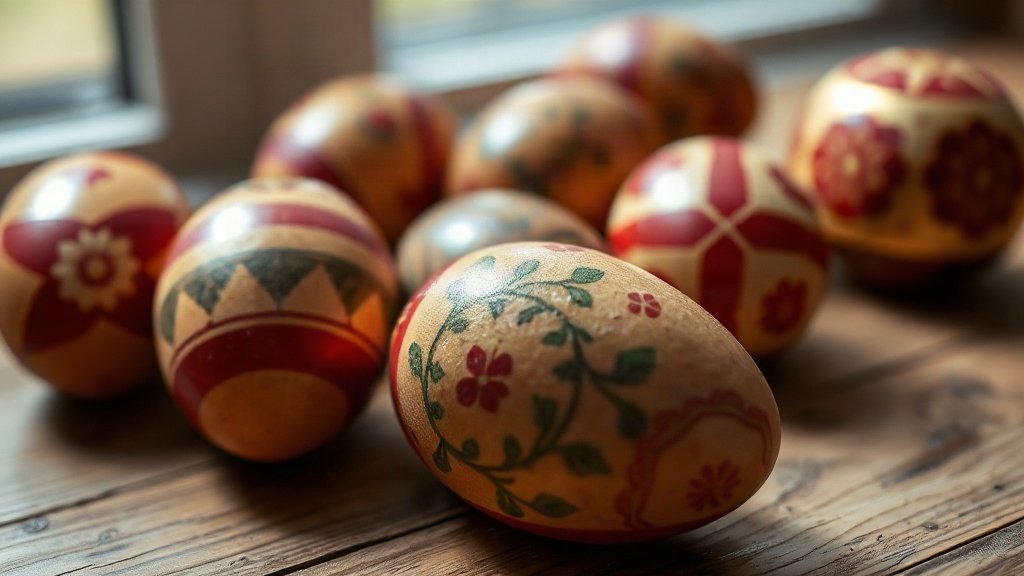
Illustration: AI-generated image
In Croatia, the arrival of spring is marked by a tradition that turns humble eggs into intricate works of art. Pisanice, the decorated Easter eggs found across the country, are a vibrant part of local heritage, with roots that stretch back centuries and styles that vary from region to region.
What are pisanice?
The word pisanica comes from the Croatian verb pisati, meaning to write. Unlike simple dyed eggs, pisanice are decorated using a wax-resist method similar to Ukrainian pysanky, though Croatian patterns and colours have their own distinct character. Traditionally, they are made during Lent, especially on Good Friday or Holy Saturday, and given as gifts, placed in Easter baskets or used to decorate the home.
How they are made
The technique requires patience and a steady hand. A raw or blown egg is first cleaned and dried. Melted beeswax is then applied to the shell with a stylus, often a pin or a small wooden tool with a metal nib. The wax covers areas that will remain the original colour. The egg is dipped into a dye bath, usually made from natural materials such as onion skins (for reddish-brown), beetroot (pink), spinach or nettle (green), or walnut shells (dark brown). After each colour, more wax is added, building up layers of pattern. Finally, the wax is removed by gently warming the egg and wiping it away, revealing the design.
Regional styles and motifs
Every region of Croatia has its own approach to pisanice. In Slavonia and Baranja, eggs are often bold and geometric, with diamonds, spirals and crosses. In the north, around Podravina and Zagorje, floral motifs and delicate lines are common. Along the coast, especially in Dalmatia and Istria, you may find simpler designs or eggs dyed a single colour and then scratched with a knife to create patterns, a technique known as grebanje. Common symbols include the sun, wheat, vines, and the endless knot, all linked to fertility, good fortune and the renewal of spring.
Where to see them today
Many ethnographic museums in Croatia hold collections of historic pisanice, some dating back over a century. During the Easter season, workshops and demonstrations are often organised in villages and towns, particularly in areas known for the craft. If you visit at that time of year, look out for local Easter markets or cultural events where you can watch artists at work and perhaps try making your own. Pisanice also make meaningful, lightweight souvenirs that capture a piece of Croatian folk art.