Rakija: A Guide to Croatia's Traditional Fruit Brandy
From šljivovica to travarica, discover the varieties of rakija and the customs around drinking Croatia's beloved spirit.
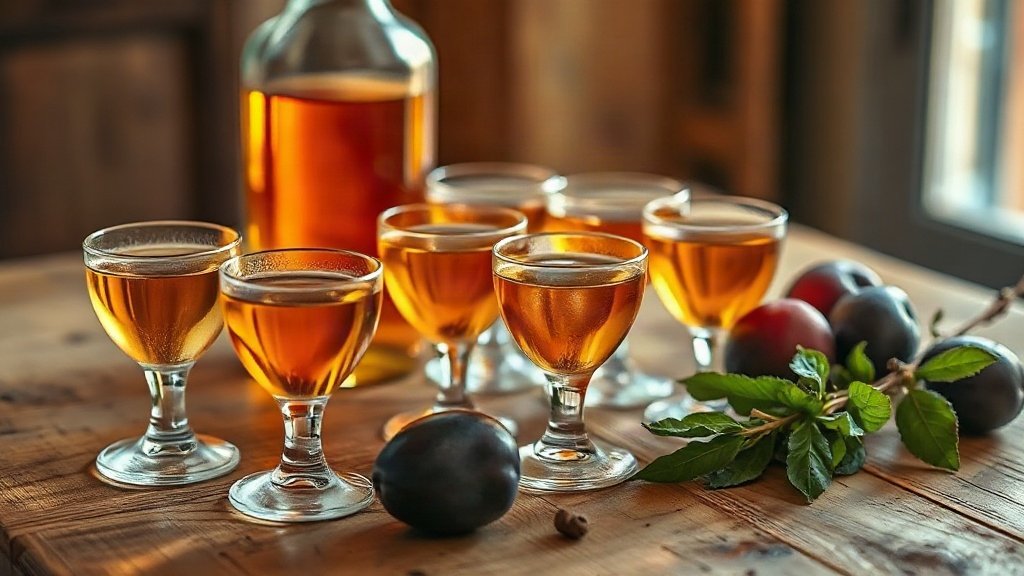
Illustration: AI-generated image
Walk into any Croatian home, especially in the countryside, and you'll likely be offered a small glass of rakija before anything else. This potent fruit brandy is far more than just an alcoholic drink – it is a symbol of hospitality, tradition, and celebration. Distilled from a variety of fruits and herbs, rakija is deeply woven into the social fabric of Croatia.
A Brief History
The art of distilling fruit brandy in Croatia has been practised for centuries, with techniques carefully passed down through generations. While the exact origins are debated, rakija has become an integral part of Balkan culture. Traditionally, it was made at home using simple copper stills, a practice that continues today in many rural households, where families take great pride in their own recipes. The process typically involves fermenting the chosen fruit, then distilling the mash in a copper pot still, often twice, to achieve the desired strength.
Popular Varieties
Rakija comes in many forms, each reflecting the region and the ingredients available. Some of the most common include:
- Šljivovica – made from plums, this is the most widespread type, with a robust, fruity flavour.
- Loza (Lozovača) – distilled from grapes, often produced in wine regions, offering a lighter, more delicate taste.
- Travarica – a herbal rakija infused with medicinal plants, typically enjoyed as a digestif.
- Orahovica – a sweet walnut liqueur, usually dark and rich, often homemade.
- Medica – made with honey, giving it a smooth, warming character.
- Dunjevača and Višnjevača – made from quince and sour cherries respectively, offering unique fruity notes.
How to Drink It
Rakija is traditionally served in small, tulip-shaped glasses and meant to be sipped slowly, savouring the aroma and warmth. It is commonly offered as a welcome drink, at the start of a meal, or during celebrations such as weddings and christenings. It pairs wonderfully with dried figs, pršut (prosciutto), or a slice of hard cheese. Many older Croats believe a small glass of rakija before a meal aids digestion, and herbal travarica is often taken for its perceived health benefits. When toasting, raise your glass, make eye contact, and say Živjeli! (Cheers!).
Where to Try It
To experience rakija like a local, head to a family-run konoba (tavern) or an agritourism farm, where you may even see the copper stills used in production. Many wineries also distil rakija as a side product. Remember, this is a strong spirit – usually 40% alcohol or higher – so pace yourself. But don't be surprised if your host offers a second glass; it's all part of the warm Croatian welcome.