Ston Oysters: A Guide to Croatia's Celebrated Shellfish
From the quiet waters of Mali Ston Bay comes one of Croatia's most prized delicacies: the flat oyster, celebrated since Roman times for its delicate, briny flavour.
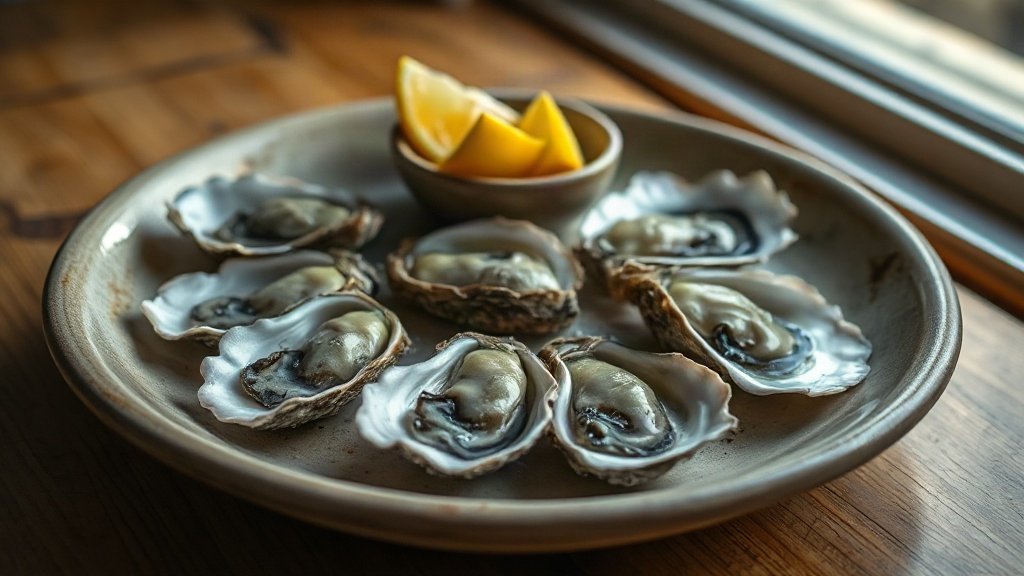
Illustration: AI-generated image
Few seafood experiences in Croatia rival the simple pleasure of a freshly shucked oyster from Mali Ston Bay. Tucked along the Pelješac peninsula, this sheltered inlet has been producing some of the Mediterranean's most esteemed oysters for over two thousand years.
A Taste of History
The ancient Romans were among the first to recognise the bay's potential, establishing oyster beds that would supply their tables. The tradition continued through the Republic of Ragusa, which fiercely protected the oyster farms as a source of wealth and prestige. Today, the methods remain remarkably unchanged, with farmers still cultivating the native European flat oyster, Ostrea edulis, in the same nutrient-rich waters.
What Makes Ston Oysters Special
The unique flavour of Ston oysters comes from the bay's exceptional conditions. Freshwater springs mix with the Adriatic's clean saltwater, creating a brackish environment with a lower salinity than the open sea. This, combined with a steady supply of plankton, gives the oysters a distinct, refined taste—less briny than Atlantic varieties, with a creamy texture and a subtle, lingering sweetness.
Unlike the faster-growing Pacific oyster, the flat oyster takes up to three years to reach market size. This slow maturation allows the flavours to develop fully, resulting in a delicacy that is often described as the pinnacle of Croatian seafood.
How to Enjoy Them
The traditional way to eat Ston oysters is raw, straight from the shell, perhaps with a squeeze of lemon or a drop of shallot vinegar. Purists insist on nothing more than the oyster's own liquor. For those who prefer them cooked, grilling or baking with a little butter and breadcrumbs is a popular alternative, but the raw experience is the true test of their quality.
Pairing is simple: a crisp Croatian white wine, such as a Pošip from Korčula or a Malvazija from Istria, complements the oysters' delicate flavour without overpowering it. A chilled glass of local sparkling wine is another excellent choice.
When to Visit
While oysters are available year-round, the best months are traditionally those containing the letter 'r'—September through April—when the waters are cooler and the oysters are at their plumpest. The annual Ston Oyster Day, held in March, is a lively celebration featuring tastings, competitions, and the chance to watch farmers at work. Outside of festival time, the small town of Mali Ston is a peaceful retreat, with several family-run restaurants overlooking the water where you can sample the day's harvest.
For anyone travelling along the Dalmatian coast, a stop in Mali Ston for a dozen oysters is not just a meal—it's a taste of history and a testament to the enduring bond between the sea and the people who harvest it.