Stonska Torta: A Guide to Croatia's Pasta Cake
Discover the unusual Dalmatian dessert that combines penne, chocolate and nuts in a rich, cake-like treat from the historic town of Ston.

Illustration: AI-generated image
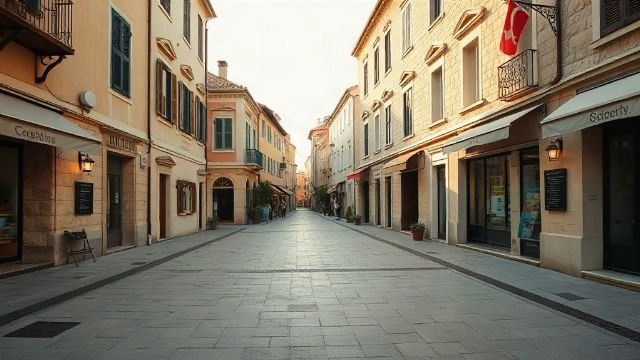
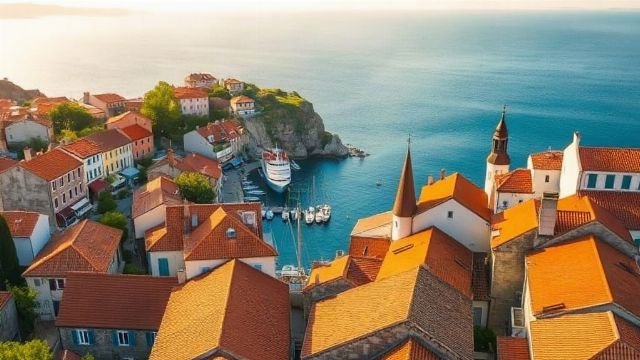
Most visitors to Ston come for the oysters, the ancient salt pans or the impressive medieval walls. But the small town on the Pelješac peninsula hides a sweet secret that sounds almost impossible: a cake made with penne pasta. Stonska torta is a beloved local treat that turns a savoury staple into a rich, indulgent dessert, and it has been part of the area's culinary heritage for generations.
What is Stonska torta?
Stonska torta is a traditional Dalmatian cake that combines cooked penne pasta with a sweet mixture of eggs, sugar, ground almonds, walnuts and melted chocolate. Some versions also include grated lemon zest or a splash of rum for extra depth. The pasta is mixed into the batter and baked until the top forms a golden crust while the inside stays moist and dense. The result is somewhere between a chocolate cake and a baked pudding, with a curious texture that surprises anyone trying it for the first time.
A taste of history
The origins of Stonska torta are not precisely documented, but it is deeply rooted in the culinary traditions of the Dubrovnik region. Ston has long been a crossroads of Mediterranean influences, and the cake likely emerged as a way to use up leftover pasta from a previous meal. In Dalmatian households, nothing was wasted, and turning pasta into a sweet dish was a practical solution. Over time, the recipe was refined and reserved for special occasions such as weddings, baptisms and Christmas, when families would prepare it in large quantities and share it with guests.
Today, Stonska torta remains closely associated with Ston and the Pelješac peninsula. While it can occasionally be found in other parts of Croatia, it is primarily a local speciality that visitors seek out when exploring the area's historic streets and seafood restaurants.
How it is made
The key ingredient is penne, although any short, tubular pasta works well. The pasta is cooked until just tender, then drained and left to cool. Meanwhile, a batter is prepared by beating egg yolks with sugar until pale and creamy, then folding in finely ground almonds or walnuts, grated chocolate and sometimes a little cinnamon or vanilla. Stiffly beaten egg whites are then folded in to lighten the mixture, followed by the cooked pasta. The whole mixture is poured into a greased baking dish and baked in a moderate oven until set and lightly browned on top.
The cake is traditionally served at room temperature, often dusted with icing sugar. It has a dense, fudgy texture with pockets of pasta that have absorbed some of the sweet chocolate mixture. Some recipes call for soaking the pasta briefly in milk before mixing, while others add soaked raisins or candied orange peel for extra flavour.
Where to try Stonska torta
If you find yourself in Ston or nearby places such as Mali Ston, you will likely spot Stonska torta on the dessert menu of many local restaurants and konobas. It is also sometimes sold at bakeries and at food stalls during local festivals, particularly around the Feast of St Blaise in early February or during the summer tourist season. Because it is a regional speciality, it is not commonly found in supermarkets, so the best way to experience it is to visit the area and ask for it by name.
For those who prefer to make it at home, numerous recipes are available online and in Croatian cookbooks. The cake keeps well for several days and is often made a day ahead of serving to allow the flavours to develop.
A dessert with a story
Stonska torta may not be as famous as rožata or fritule, but it is a genuine expression of Dalmatian resourcefulness and creativity. It turns a humble ingredient into something festive and delicious, and it offers a memorable taste of a region that has always known how to celebrate good food. If you are planning a trip to the Pelješac peninsula, save room for dessert and discover why this unusual cake has been cherished for so long.