Štrukli: A Guide to Croatia's Beloved Cheese Pastry
From humble farmhouse beginnings to a place on Zagreb's finest menus, štrukli are a true taste of northern Croatia.
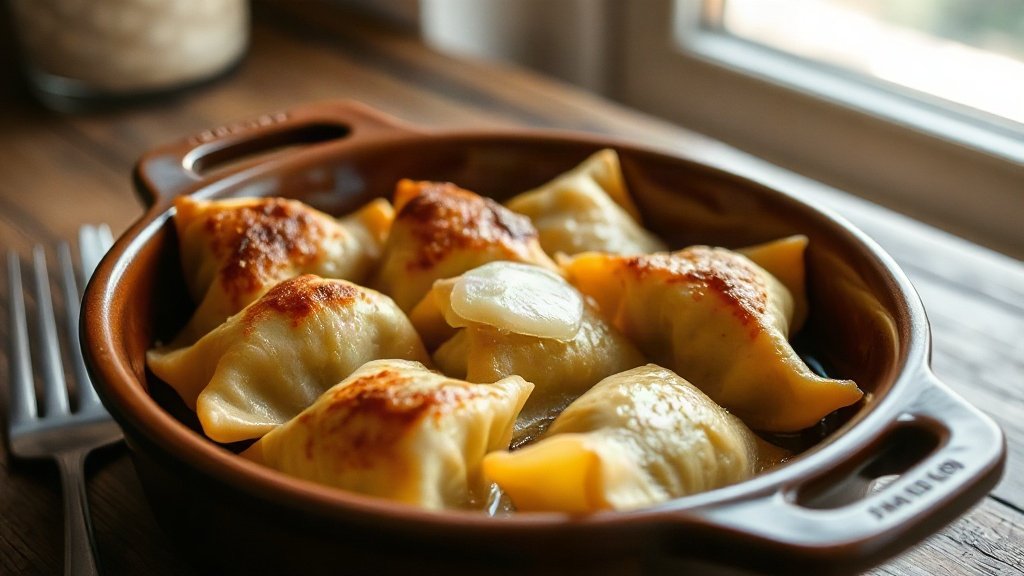
Illustration: AI-generated image
Few dishes capture the heart of northern Croatia quite like štrukli. This comforting pastry, made from thin dough and generous amounts of fresh cheese, has been a staple in the Zagorje region and beyond for centuries. Whether boiled or baked, savoury or sweet, štrukli remain a beloved part of Croatia's culinary heritage.
From humble beginnings
Štrukli have their roots in the rural kitchens of Hrvatsko Zagorje, the rolling hill country north of Zagreb. The dish likely evolved as a way to make the most of simple, homegrown ingredients: flour, eggs, and the soft cow's cheese that was abundant on family farms. Over time, štrukli spread across northern Croatia and into neighbouring Slovenia, where a similar dish called štruklji is also enjoyed.
While the exact origin is difficult to pin down, early written references to štrukli date back to the 17th century. By the 19th century, the dish had become a common feature on tables in Zagreb and the surrounding regions, often served at celebrations and family gatherings.
Two classic styles
Štrukli are traditionally prepared in two main ways: boiled or baked. Boiled štrukli are cooked in salted water and then often tossed in breadcrumbs and melted butter, giving them a soft, delicate texture. Baked štrukli are placed in a dish, covered with cream or more butter, and cooked until golden and bubbling. Both versions start with the same basic dough, which is rolled thin and filled with a mixture of fresh cow's cheese, eggs, and a little salt.
The dough itself is simple: flour, water, and sometimes a touch of oil or egg. It is stretched or rolled until almost transparent, then spread with the cheese filling and rolled up like a strudel. The roll is then cut into pieces, which are either boiled or baked.
Sweet or savoury
While the savoury version with salted cheese is the most iconic, sweet štrukli are also popular, especially as a dessert. The filling can be sweetened with sugar and flavoured with vanilla or lemon zest. Sweet štrukli are often boiled and served with a dusting of sugar, or baked with a creamy sauce. In some households, they are filled with apples or other fruits for a seasonal twist.
Enjoying štrukli like a local
Štrukli are a common sight at traditional gostionice (taverns) and family restaurants across northern Croatia. They are served as a starter, a side dish, or a main course, depending on the portion and preparation. During the colder months, a warm plate of baked štrukli is the ultimate comfort food, while boiled štrukli with buttery breadcrumbs are a staple at Sunday lunches.
If you're visiting Zagreb or the Zagorje region, trying štrukli is an essential culinary experience. Many restaurants take pride in their own versions, but the dish remains fundamentally simple and homely. For the most authentic taste, seek out places that make their štrukli by hand and use local cottage cheese.
A symbol of northern Croatian identity
Štrukli are more than just a meal; they are a symbol of the region's agricultural roots and the creativity of its cooks. In 2023, Zagorski štrukli received protected geographical indication (PGI) status from the European Union, which recognises the dish's cultural importance and ensures that only products made according to traditional methods in the Zagorje region can bear the name. This designation highlights the role štrukli play in Croatian heritage and helps preserve the recipe for future generations.
Whether you prefer them baked or boiled, savoury or sweet, štrukli offer a delicious window into the tastes of northern Croatia.