The 1939 Bürgerbräukeller Bombing: Hitler's Narrow Escape
On 8 November 1939, a bomb exploded at a Munich beer hall minutes after Adolf Hitler left the stage. The assassination attempt by carpenter Georg Elser killed eight people and injured dozens.
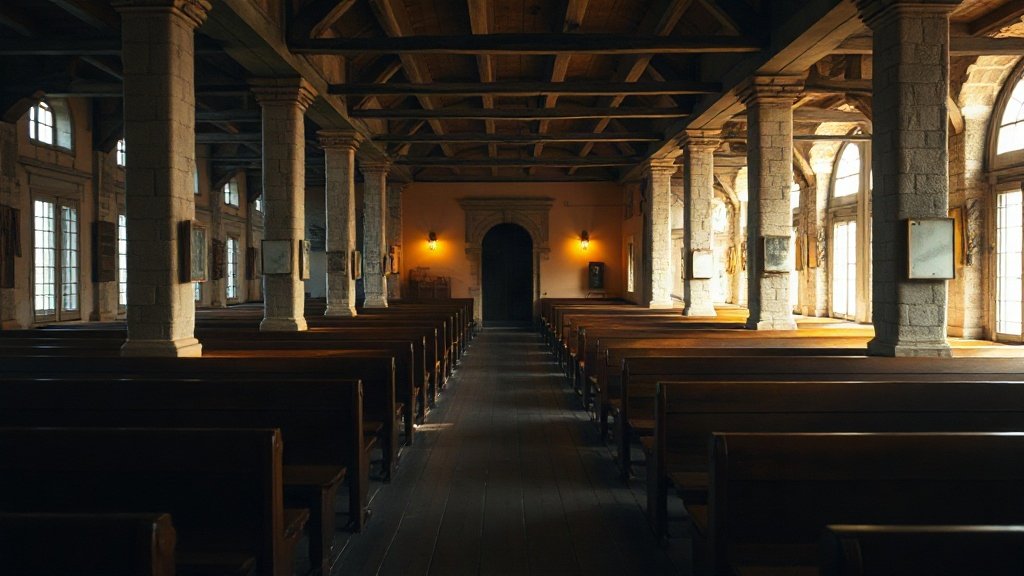
Illustration: AI-generated image
On 8 November 1939, a powerful bomb exploded at the Bürgerbräukeller beer hall in Munich, Germany, just thirteen minutes after Adolf Hitler had left the stage. Hitler had been there to give a speech marking the anniversary of the 1923 Beer Hall Putsch, but he cut his remarks short due to a busy schedule. The explosion killed eight people and injured sixty, but the man it was intended for was already gone.
The assassination attempt was the work of Georg Elser, a 36-year-old carpenter from Württemberg. Elser, who opposed the Nazi regime, acted entirely alone. Over several months, he secretly hollowed out a stone pillar behind the speaker's podium and installed a homemade bomb with a timer. He believed that killing Hitler would prevent further war and suffering.
Elser was arrested that same night near the Swiss border, carrying wire cutters and sketches of the bomb. After interrogation, he admitted to the plot. Instead of a public trial, he was sent to the Dachau concentration camp, where he was held in isolation. In April 1945, just weeks before the end of the Second World War, Elser was executed on orders from Berlin.
Today, the Bürgerbräukeller no longer stands, but the story of Elser's lone attempt to change history is remembered as one of the most dramatic episodes of resistance inside Nazi Germany.