How to Create a Mediterranean Herb Garden in Croatia: A Practical Guide
Learn how to grow classic Mediterranean herbs like rosemary, lavender and sage in your Croatian garden or balcony, from planting to harvest.
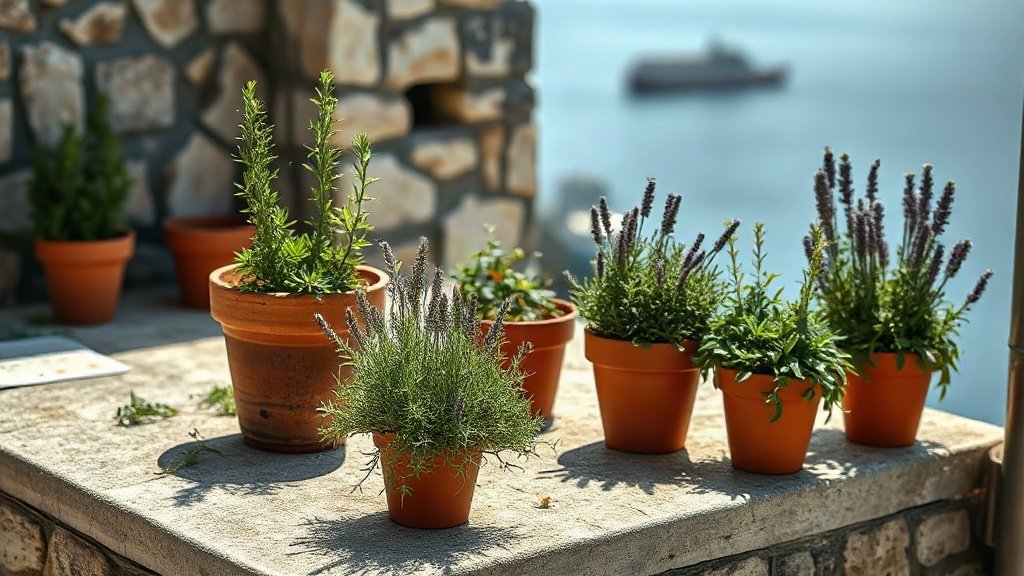
Illustration: AI-generated image
Mediterranean herbs thrive in Croatia's climate, and you don't need a large garden to grow them. From coastal terraces to continental balconies, a few pots can provide fresh flavours year-round.
Why Mediterranean Herbs Love Croatia
Croatia's long growing season, abundant sunshine, and mild winters along the coast make it ideal for rosemary, lavender, sage, thyme, oregano, and bay. Even inland regions with harsher winters can grow these herbs in containers moved indoors or to a sheltered spot.
Choosing the Right Location
Most Mediterranean herbs need at least six hours of direct sun daily. A south-facing balcony, terrace, or garden bed works best. If you only have shade, consider parsley, mint, or chives, which tolerate less sun. Ensure good air circulation to prevent fungal diseases.
Soil and Containers
Herbs from the Mediterranean prefer well-draining, slightly alkaline soil. Use a mix of garden soil, sand, and a little compost, or buy a cactus/succulent mix. If planting in pots, choose terracotta, which allows roots to breathe. Add gravel or broken pottery at the bottom for drainage. If your garden soil is heavy clay, mix in coarse sand and organic matter to improve drainage. Raised beds are a good solution.
Which Herbs to Grow
- Rosemary: A hardy shrub that thrives in poor soil and drought; perfect for sunny, dry spots.
- Lavender: Needs excellent drainage and full sun; ideal for borders or large pots.
- Sage: Drought-tolerant and easy; its grey-green leaves add beauty.
- Thyme: Low-growing ground cover that loves sun and well-drained soil; great for rockeries.
- Oregano: Sprawling herb with intense flavour; plant in a pot to control spread.
- Bay Laurel: A slow-growing tree or shrub; can be kept in a large container, but protect from hard frost.
Planting and Care
Plant in spring after the last frost, or in autumn in coastal areas. Water young plants regularly until established, then only during prolonged dry spells—overwatering is the biggest killer of Mediterranean herbs. Fertilise sparingly; too much nitrogen reduces essential oils and flavour. Prune after flowering to keep plants bushy and productive. Mulching with gravel or pebbles helps retain moisture and reflect heat, mimicking their native stony soils.
Harvesting and Using
Pick leaves in the morning after dew has dried, when essential oils are strongest. Use fresh or dry by hanging small bunches in a cool, airy place. In mild coastal climates, rosemary and bay can be harvested year-round. Besides cooking, many herbs can be used for teas, homemade cleaning products, and natural insect repellents.
With minimal effort, you can enjoy fresh Mediterranean herbs year-round. Whether you have a sprawling garden or a tiny balcony, growing your own herbs brings a taste of Croatia's sunshine to your kitchen.