How to Lease Commercial Property in Croatia: A Practical Guide
A step-by-step look at renting office, retail, or industrial space in Croatia, including key legal checks and tips for negotiating a fair lease.
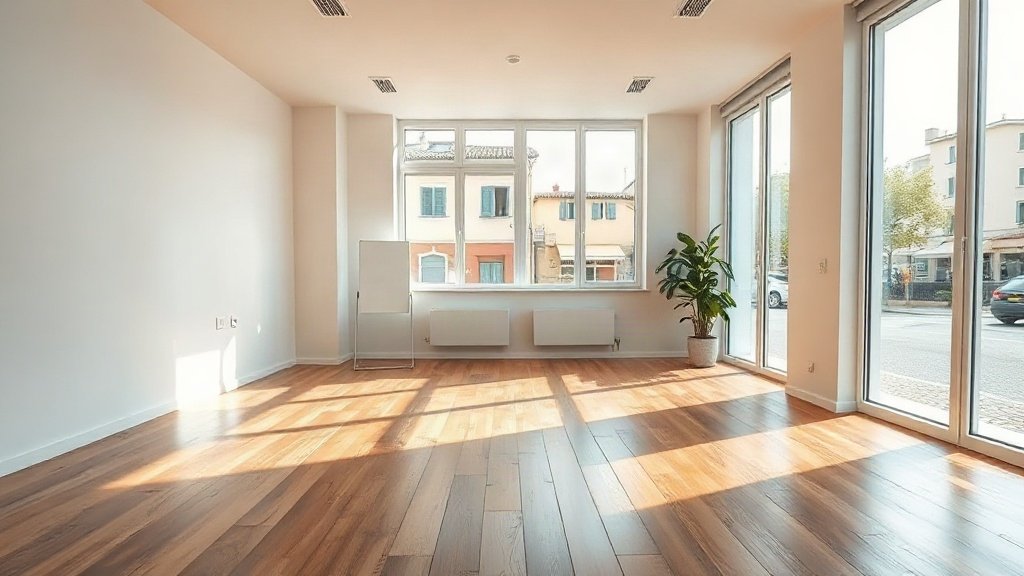
Illustration: AI-generated image
Leasing commercial property in Croatia—whether an office, shop, warehouse, or restaurant space—follows a well-established process rooted in the country's Obligations Act and related regulations. For foreign investors and local entrepreneurs alike, understanding the key steps can save time and prevent costly mistakes.
Finding the Right Space
Most commercial properties are advertised through real estate agencies, online portals, or direct landlord listings. Working with a licensed agent is common, though not mandatory. Agents typically charge a commission equivalent to one month's rent, though this can sometimes be negotiated. Before scheduling viewings, clarify your budget, desired location, and essential features such as parking, loading access, or foot traffic.
Due Diligence and Legal Checks
Once you identify a promising property, verify its legal status. Request an excerpt from the land registry to confirm ownership and check for any encumbrances, such as mortgages or easements. If the space is part of a larger building, review the condominium rules, which may restrict certain business activities. For premises intended for food service or manufacturing, confirm that local zoning regulations permit that use. It is also wise to ask for recent utility bills to estimate operating costs.
Negotiating the Lease
Commercial leases in Croatia are generally flexible, with terms often ranging from one to five years, though longer leases are possible. Rent is usually quoted in euros per square metre per month, excluding VAT (currently 25% for commercial leases). Landlords commonly request a security deposit of one to three months' rent. You may also negotiate a rent-free period for fit-out works, especially for longer leases. Keep in mind that most leases include an annual indexation clause tied to inflation.
Key Clauses to Watch
Pay close attention to clauses on maintenance responsibilities, subletting rights, termination notice periods, and renewal options. Croatian law provides tenants with certain protections, but commercial leases often include specific terms that override default rules. For example, the landlord may require the tenant to carry liability insurance. Ensure that any verbal agreements are recorded in writing, as oral contracts are difficult to enforce.
Practical Tips
Always have the lease reviewed by a local lawyer before signing, especially if it is in Croatian. Translation costs are a small price for avoiding misunderstandings. If you plan significant alterations, obtain written consent from the landlord. Finally, register the lease with the tax authority if required—residential leases are registered, but commercial leases typically are not, though you should confirm current practice. With careful planning, leasing commercial property in Croatia can be a straightforward step toward growing your business.