The Business Lunch in Croatia: Etiquette, Customs and What to Expect
From who pays to what to order, a practical guide to navigating business lunches in Croatia with confidence.
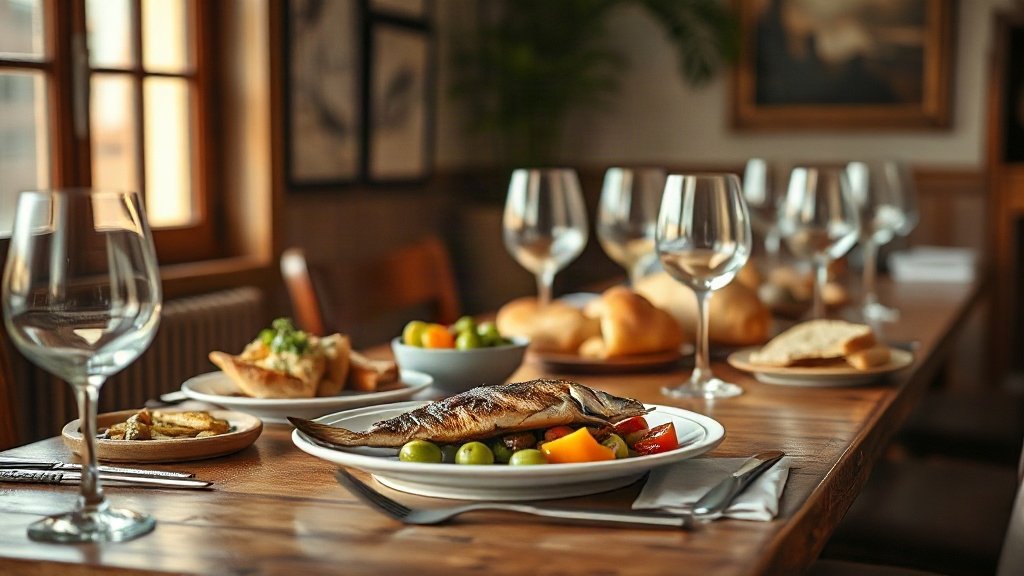
Illustration: AI-generated image
In Croatia, business is often conducted over a meal. The business lunch, known as poslovni ručak, is a cornerstone of professional life, providing a relaxed setting for negotiation, networking, and building long-term relationships. Whether you are a local entrepreneur or a foreign visitor, understanding the unwritten rules of the business lunch can help you navigate these occasions with confidence.
When and Where
Business lunches typically start between 12:00 and 13:00 and can last up to two hours. The pace is unhurried; rushing through a meal is considered impolite. Many business lunches take place in traditional konobas (taverns) that serve authentic Croatian cuisine, or in modern restaurants in city centres. Booking a table in advance is advisable, especially in popular spots during peak season. If you are invited to a business lunch, it is a sign that your counterpart values the relationship.
What to Order
Croatian menus offer a wide range of hearty dishes. Inland, you might encounter grilled meats such as ćevapi (minced meat sausages) or ražnjići (skewers), while coastal areas feature fresh seafood like grilled fish, squid, or scampi. A typical business lunch might include a starter of pršut (dry-cured ham) and local cheese, followed by a main course and a dessert such as palačinke (crepes) or a slice of traditional cake. Wine, beer, or rakija (fruit brandy) are often offered, but many professionals stick to mineral water or coffee to keep a clear head. If you have dietary restrictions or allergies, it is polite to inform your host when accepting the invitation.
Who Pays?
In Croatian business culture, the person who extended the invitation is expected to pay the bill. As a guest, you may offer to contribute, but do not insist if the host declines. Splitting the bill is rare in business settings and might be seen as awkward. If you are hosting, a discreet way to handle payment is to excuse yourself from the table and settle with the waiter, or arrange payment in advance. This avoids any uncomfortable discussion at the end of the meal.
Conversation and Etiquette
Business lunches are as much about personal connection as professional matters. Begin with light small talk: ask about family, travel, or hobbies. Football is a popular topic; most Croatians support either Dinamo Zagreb or Hajduk Split, so showing interest is welcome. Avoid sensitive subjects such as politics, war history, or personal finances. Punctuality is valued, so arrive on time. Keep your mobile phone on silent and off the table, as constant checking is considered rude. Address your counterparts using their professional titles and surnames (e.g., gospodine, gospođo) unless you are invited to use first names.
After the Lunch
A brief follow-up email thanking your host for the meal and recapping any agreed next steps is a good practice. It reinforces the professional relationship and shows that you value the time spent. If you were the host, a similar message can help keep the momentum going.
By understanding and respecting these traditions, you can turn a simple meal into a powerful tool for business success in Croatia.