Zagorski Štrukli: A Guide to Croatia's Cheesy Pastry Delight
Discover the comforting layers of dough and fresh cheese that make Zagorski štrukli a beloved dish from northern Croatia's Zagorje region.
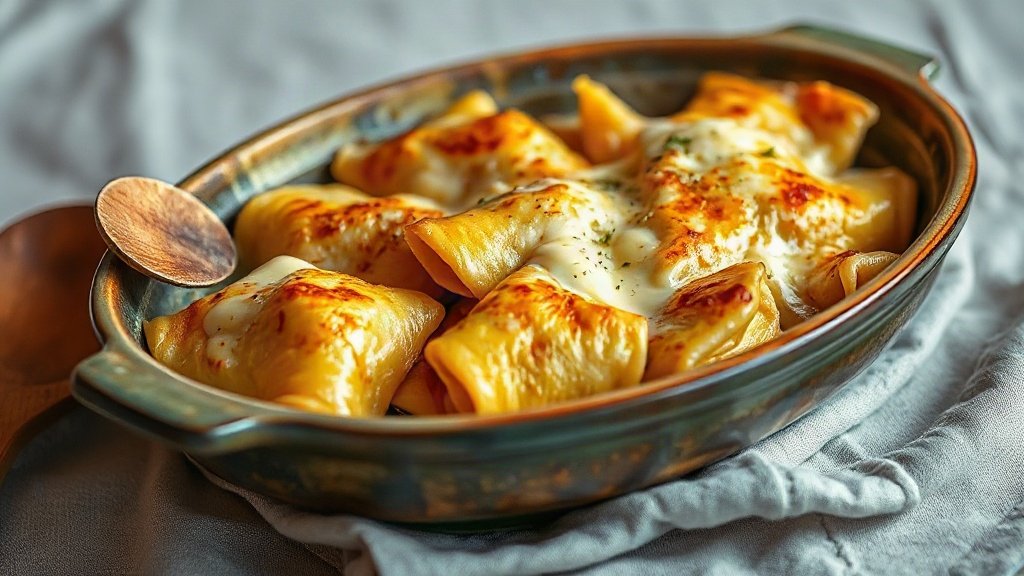
Illustration: AI-generated image
If there is one dish that warms both the belly and the soul in northern Croatia, it is Zagorski štrukli. These parcels of stretched dough filled with soft, tangy cheese are a staple of the Zagorje region, known for its rolling green hills and hearty, rustic cooking. Whether baked until golden or boiled and served with a drizzle of cream, štrukli are a true taste of Croatian comfort food.
What are Zagorski štrukli?
At its heart, štrukli is a simple dish made from a few humble ingredients: flour, eggs, fresh cow's cheese (often a type of sir similar to cottage cheese or ricotta), sour cream, and salt. The dough is rolled out paper-thin, spread with the cheese filling, then rolled up like a log and cut into pieces. Depending on the preparation, the pieces are either boiled in salted water or baked in a dish with cream and butter until bubbling and golden.
The dish belongs to the wider family of Central European strudels and dumplings, but Zagorje has made it uniquely its own. Local cheese, often from small family farms, gives the filling a distinctive freshness that is hard to replicate elsewhere.
Two ways to enjoy: boiled or baked
There are two classic versions of štrukli: kuhani (boiled) and pečeni (baked). Boiled štrukli are soft and delicate, often served as a starter or a side dish, sometimes with a spoonful of sour cream or a sprinkle of crispy breadcrumbs. Baked štrukli, on the other hand, are layered in a casserole dish, topped with cream and sometimes extra cheese, and baked until they form a golden crust. The baked version is richer and more indulgent, perfect for colder months.
Some cooks add a sweet twist by sprinkling sugar over the štrukli before serving, blurring the line between savoury and dessert. But purists will tell you that the savoury, creamy version is the one that truly represents Zagorje.
The art of making štrukli
Making štrukli from scratch is a labour of love, and many Croatian grandmothers still prepare it by hand for family gatherings and Sunday lunches. The key step is stretching the dough until it is nearly translucent—a skill that takes practice and patience. Traditionally, the dough is rolled out on a large table covered with a clean cloth, then gently pulled and stretched with floured hands. Once the filling is spread evenly, the dough is rolled up tightly using the cloth, creating a neat spiral of dough and cheese.
For home cooks who want to try it themselves, there are plenty of recipes available, but be prepared for a bit of a workout. The reward, however, is a dish that tastes like tradition: simple, honest, and deeply satisfying.
Where to find štrukli in Croatia
While štrukli originates from Zagorje, it has become a favourite across the country, especially in the capital Zagreb. Many traditional restaurants (konobe and gostionice) in northern Croatia feature štrukli on their menus, often as a signature starter. In Zagreb, it is not uncommon to find it served in homes during holidays or at local food festivals celebrating regional cuisine. If you are travelling through Zagorje, keep an eye out for family-run eateries that pride themselves on homemade versions—the difference in freshness is unmistakable.
A taste of Zagorje's heart
Zagorski štrukli is more than just a dish; it is a symbol of the region's warmth and hospitality. Its combination of soft dough and creamy cheese speaks to a culinary tradition that values simplicity and quality ingredients. Whether you try it boiled as a light bite or baked as a hearty main, štrukli offers a delicious window into the soul of northern Croatia. Next time you find yourself near the hills of Zagorje, be sure to ask for a plate of this beloved specialty—you will not be disappointed.