Zvončari: A Guide to Croatia's Bell Ringers' Carnival Tradition
Each winter, the Kastav region comes alive with the clanging of bells and the wild dance of the Zvončari, a centuries-old tradition meant to chase away evil spirits and welcome spring.
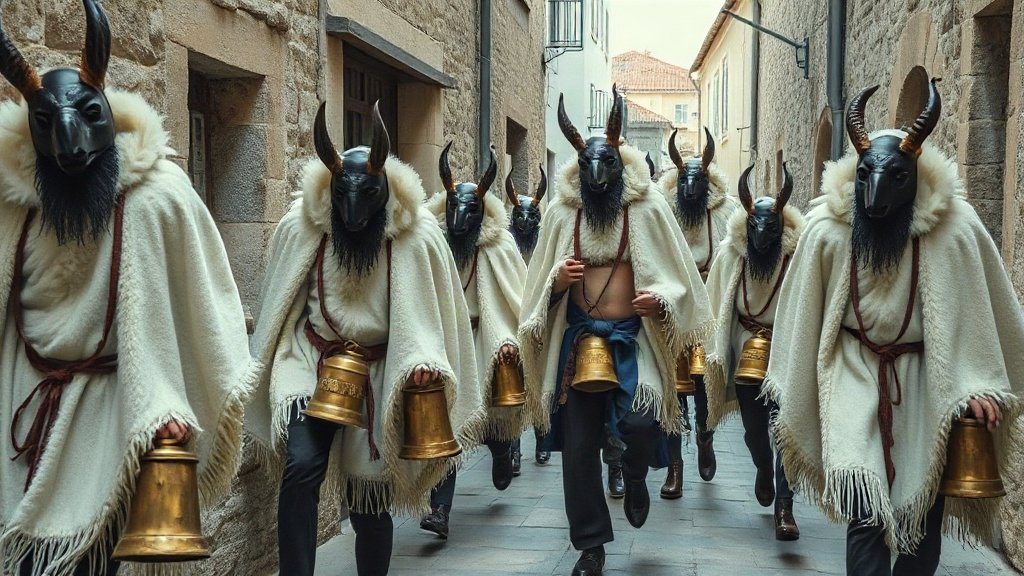
Illustration: AI-generated image
Every year, as winter loosens its grip on the hills above Rijeka, a peculiar sound echoes through the villages: the deep, rhythmic clanging of heavy bells. It is the sound of the Zvončari, the bell ringers of the Kastav region, whose ancient carnival rite has been recognised by UNESCO as an intangible cultural heritage of humanity. For visitors, witnessing this pagan-inspired spectacle is a chance to see one of Croatia’s most powerful living traditions.
More than just a quirky carnival act, the Zvončari embody the age-old human desire to banish darkness and welcome renewal. Dressed in sheepskins and fearsome masks, the men dance, leap and shake their bodies so that the bells around their waists create a deafening roar. It is believed that this noise drives away evil spirits, ensures a good harvest and announces the arrival of spring.
The History and Meaning
The roots of the Zvončari reach deep into pre-Christian times. The tradition likely began as a pagan fertility ritual, with the ringing of bells and the wearing of animal hides intended to scare off malevolent forces. Over centuries, it was absorbed into the Christian carnival period, but its core symbolism remains intact. Today, the Zvončari are a source of immense local pride and a way for communities to maintain their identity.
The Costume and Ritual
A Zvončar’s outfit is both practical and symbolic. Typically, he wears a white sheepskin cape, dark trousers, and a distinctive hat adorned with paper flowers, ribbons or sprigs of greenery. Some wear a mask, often with a long red tongue sticking out (the “čoravi” look), while others go bare-faced. The most important element, however, is the bell: a large bronze or steel bell strapped around the waist, weighing up to several kilograms. Groups may use one large bell or several smaller ones. The dance involves a heavy, stomping step and a vigorous swinging of the hips to produce a continuous, thunderous clanging. The effect is both intimidating and exhilarating.
Where to Experience Zvončari
The tradition is centred in the Kastav area, just inland from the Kvarner coast. Villages such as Halubje, Rukavac, Zvoneće and others each have their own groups with distinct costumes and bell arrangements. During the carnival season, these groups visit neighbouring villages and towns, parading through the streets and performing their dance. The largest gatherings happen in the days leading up to Shrove Tuesday, when multiple groups converge in a joyous, noisy procession.
When to Go
Zvončari events take place every year during the carnival period, which typically falls in February or early March, depending on the date of Easter. For the best experience, plan to visit in the week before Ash Wednesday. Check local event calendars for exact dates and locations; most towns in the Kastav region and nearby Rijeka host public performances that are free to watch. Be prepared for loud noise, crowds, and a thoroughly memorable spectacle.
Witnessing the Zvončari is not just about watching a performance; it is about feeling the earth shake under your feet as the bell ringers pass by. It is a raw, primal celebration of community and continuity—a truly unforgettable piece of Croatia’s living heritage.