A Guide to Brijuni National Park: Croatia's Island Time Capsule
Explore the Brijuni Islands, a national park off the Istrian coast where Roman ruins, a safari park and presidential history meet Mediterranean nature.
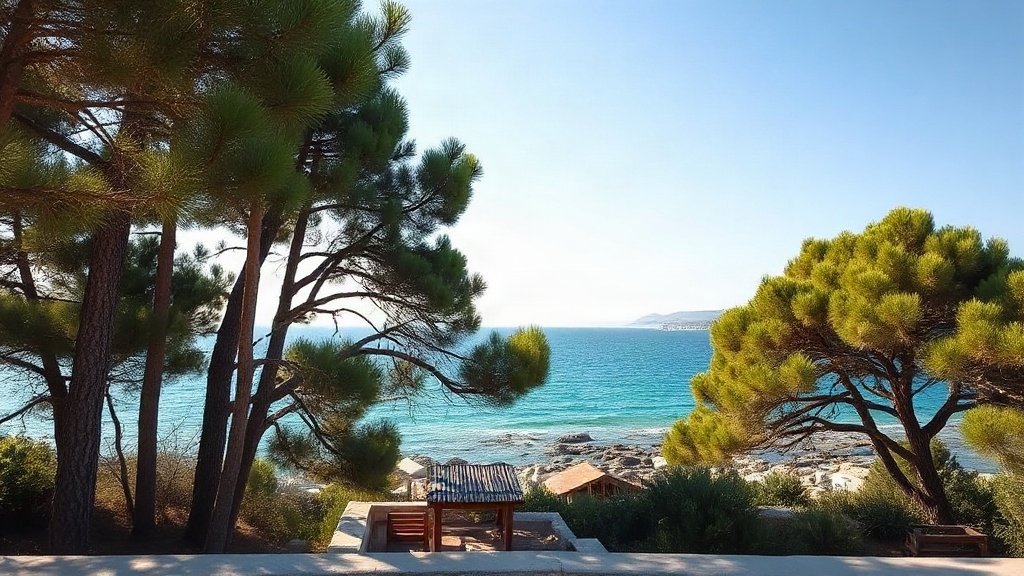
Illustration: AI-generated image
Just a short ferry ride from the Istrian town of Fažana, the Brijuni Islands feel a world apart. This small archipelago of fourteen islands and islets is a national park where ancient history, unusual wildlife and a unique political legacy sit side by side. Veliki Brijun, the largest island, is the main destination for day visitors.
Getting there and getting around
Boats to Veliki Brijun depart regularly from Fažana harbour, a few kilometres northwest of Pula. The crossing takes about fifteen minutes. Most visitors join a guided tour, which is included in the park entry and covers the main sights by train or on foot. Bicycles can also be hired on the island, and a leisurely cycle around the well-marked paths is a pleasant way to explore.
Roman villas and olive trees
Brijuni has been inhabited since prehistoric times, but the Romans left the most visible mark. The remains of a large villa rustica in Verige Bay show how wealthy Romans lived by the sea. Mosaics, columns and a temple complex are still visible. Nearby, an ancient olive tree is said to be over 1,600 years old, one of the oldest in the Mediterranean.
The safari park
One of Brijuni's quirkiest attractions is its safari park. Established in the late twentieth century, it is home to animals gifted to the former Yugoslav president Josip Broz Tito by foreign leaders. Today you can see zebras, llamas, ostriches and other exotic species roaming in a fenced part of the island. The park is best visited by the small tourist train that runs through it.
Tito's island retreat
For decades, Brijuni was the private playground of Yugoslavia's president. Tito hosted world leaders and film stars here, and many of the gifts he received are on display in a museum on Veliki Brijun. The exhibition includes a stuffed animals collection, ethnographic objects and photographs. The residence itself is now a hotel, but the grounds retain a sense of the era.
Nature and quiet corners
Beyond the main sights, Brijuni is a place of pine forests, meadows and rocky coves. The island is car-free, so walking or cycling is peaceful. Look out for peacocks, which roam freely, and for the protected Mediterranean monk seal in the surrounding waters. Swimming is allowed at designated beaches, and the clear Adriatic is inviting in summer.
Practical tips
Brijuni is a day-trip destination for most, though overnight stays are possible. The park is open year-round, but ferry schedules are reduced outside summer. Bring comfortable shoes, sun protection and water, as options on the island are limited. And remember that Veliki Brijun is a protected area: stay on marked paths and do not disturb the wildlife.