A Guide to Istria's Medieval Frescoes: Hidden Gems in Hilltop Churches
From the famous Dance of Death in Beram to vivid biblical scenes in tiny chapels, Istria's medieval frescoes are a stunning, off-the-beaten-path cultural treasure.
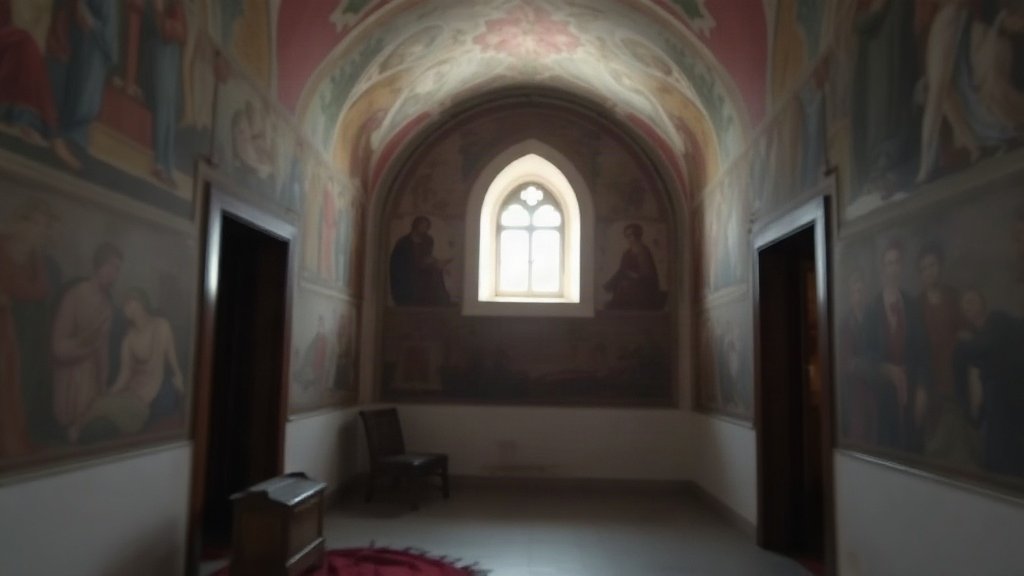
Illustration: AI-generated image
Tucked away in the rolling hills of central and northern Istria, a remarkable artistic heritage awaits discovery. Behind the plain stone facades of tiny rural churches lie some of Europe's most vivid medieval frescoes—painted between the 11th and 16th centuries by itinerant masters whose names are lost to time.
These murals, often referred to as "frescoes," offer a rare window into the beliefs, fears, and daily life of medieval Istrians. For visitors willing to seek them out, they provide an intimate and moving cultural experience far from the crowds of the coast.
Why Istrian Frescoes Are Special
Istria's frescoes blend Byzantine, Romanesque, and Gothic influences, reflecting the region's position at the crossroads of empires. Painted in vibrant hues of ochre, red, and blue, they served as visual sermons for largely illiterate congregations. The most famous cycle is the "Dance of Death" in the Church of St. Mary on Škrilinah, just outside the village of Beram. There, skeletons lead popes, kings, and peasants alike in a grim procession—a powerful memento mori.
Other popular subjects include the Last Judgement, the lives of saints, and scenes from the Passion. Some frescoes even contain inscriptions in Glagolitic script, the oldest Slavic alphabet, underscoring the region's unique cultural blend.
Notable Fresco Sites
While Beram is the undisputed highlight, several other villages preserve important cycles:
- Draguć – Church of St. Rocco with vivid 16th-century frescoes.
- Gračišće – Church of St. Mary on the Square, featuring a detailed Last Judgement.
- Rakotule – Church of St. Nicholas with rare Romanesque frescoes.
- Lindar – Chapel of St. Catherine with a well-preserved Gothic cycle.
- Hum – The Church of St. Jerome, in the world's smallest town, has 12th-century frescoes.
Planning Your Visit
These churches are usually locked to protect the artworks, but access is rarely a problem. In most villages, the key is kept by a local family or the parish office; asking around or checking with the tourist board is the best approach. A small donation for the church's upkeep is customary and appreciated.
Because the frescoes are scattered, a car is essential. A good route starts in Beram, continues to Draguć and Gračišće, and ends in Hum. The roads are narrow but well-maintained, and the drives themselves offer beautiful views of the countryside. Spring and autumn are ideal, with mild weather and fewer tourists.
Wear comfortable shoes—some churches are reached via steep, cobbled lanes. And remember that these are active places of worship: dress modestly and avoid flash photography, which can damage the delicate pigments.
Understanding the Frescoes
Even without expert knowledge, the frescoes are easy to appreciate. The figures are expressive, the stories dramatic. The Dance of Death, in particular, is a reminder that death spares no one, a theme that resonated deeply in post-plague Europe. Look for details like tool marks, early attempts at perspective, and the occasional humorous aside, such as a devil poking a sinner.
Visiting these hidden chapels is a journey into a world where art and faith were inseparable. It's a side of Istria that few tourists see, yet it offers some of the most authentic and memorable experiences in Croatia.