A Guide to Peka: Croatia's Traditional Slow-Cooked Feast
Peka is a traditional Croatian cooking method that transforms simple ingredients into a tender, aromatic feast. Here's how it's made and where to find it on your travels.
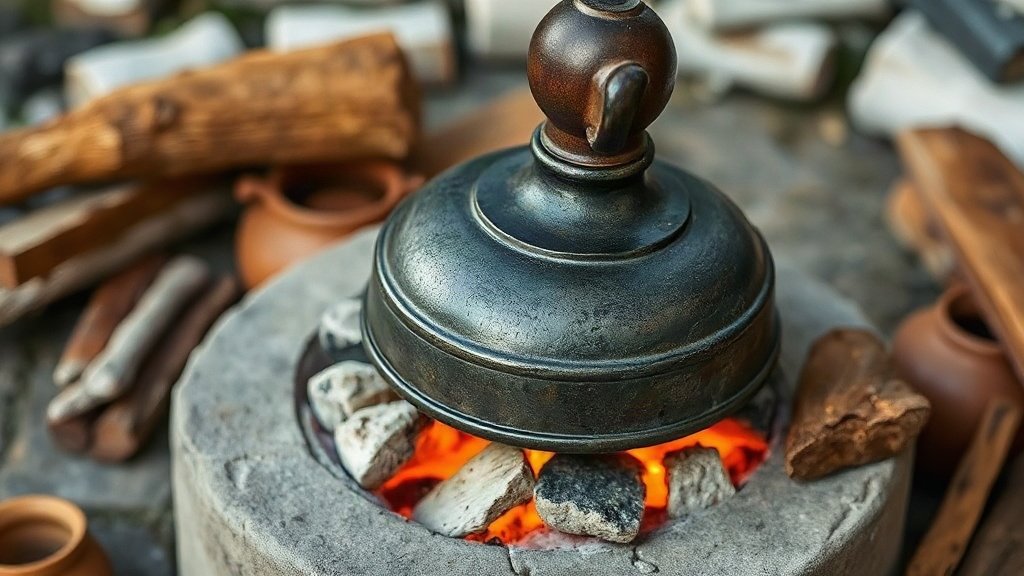
Illustration: AI-generated image
If you travel through Croatia, especially along the coast or in the rural hinterland, you will almost certainly come across the word peka. It refers to both a cooking vessel and the dish prepared in it—a slow-cooked marvel of meat or seafood and vegetables, infused with herbs and olive oil. Peka is more than a meal; it is a social ritual, a nod to centuries of tradition, and for many visitors, a highlight of Croatian gastronomy.
What Is Peka?
Peka is a method of cooking that uses a bell-shaped lid, traditionally made of cast iron or clay, called a čripnja or peka. The food is placed in a shallow metal or clay tray, covered with the bell, and then the bell is completely buried in hot embers and ash from a wood fire. The result is a combination of roasting and baking in a sealed environment, where the food cooks slowly in its own juices, becoming exceptionally tender and flavourful.
The technique has deep roots in the rural communities of Dalmatia and Istria, where it was historically used to prepare meals for families and workers after a long day in the fields. Today, it remains a beloved tradition, often reserved for special occasions and family gatherings.
What Goes into a Peka?
The beauty of peka lies in its simplicity and the quality of the ingredients. While variations exist, the most common combinations include:
- Lamb or veal with potatoes, carrots, onions, garlic, and rosemary, drizzled with olive oil and a splash of white wine.
- Chicken with similar vegetables and herbs like thyme and bay leaf.
- Octopus with potatoes, tomatoes, and garlic, particularly popular along the coast.
- A mix of seasonal vegetables for a lighter version, sometimes with the addition of cheese.
The ingredients are arranged in the tray, seasoned generously, and often left to marinate for a while before being covered and cooked. The slow process—usually one and a half to two hours—allows the flavours to meld beautifully.
How to Order and Enjoy Peka
Because peka requires time and careful attention, it is rarely available as a spontaneous order. Many restaurants—particularly traditional konobas (taverns) and family-run agritourism farms—ask that you request it at least a day in advance, often when making a reservation. It is typically prepared for a minimum of two people, making it an ideal choice for a group meal.
When the peka is finally brought to the table, it is usually presented in its cooking vessel, with the lid lifted to release an irresistible aroma. It is served family-style, with fresh bread to soak up the juices, and pairs wonderfully with a robust local red wine, such as Plavac Mali from Dalmatia or Teran from Istria.
Where to Try Peka
You can find peka throughout Croatia, but it is most authentic in the rural areas of Dalmatia, Istria, and the islands. Look for signs advertising peka or ask at your accommodation for recommendations. Many agritourism estates offer peka as part of a full experience, often including homemade wine and other local specialities. Eating peka is not just about the food; it is about the unhurried, convivial atmosphere that surrounds it—a true taste of Croatian hospitality.
If you are planning a trip to Croatia, make room in your itinerary for this extraordinary dish. It is a delicious way to connect with the country's culinary heritage and the landscapes that shape it.