A Slow Guide to Đakovo: Baroque Splendour and Lipizzaner Horses in Slavonia
Discover the elegant heart of Slavonia in Đakovo, home to a soaring neo-Romanesque cathedral and one of Europe's oldest Lipizzaner stud farms.
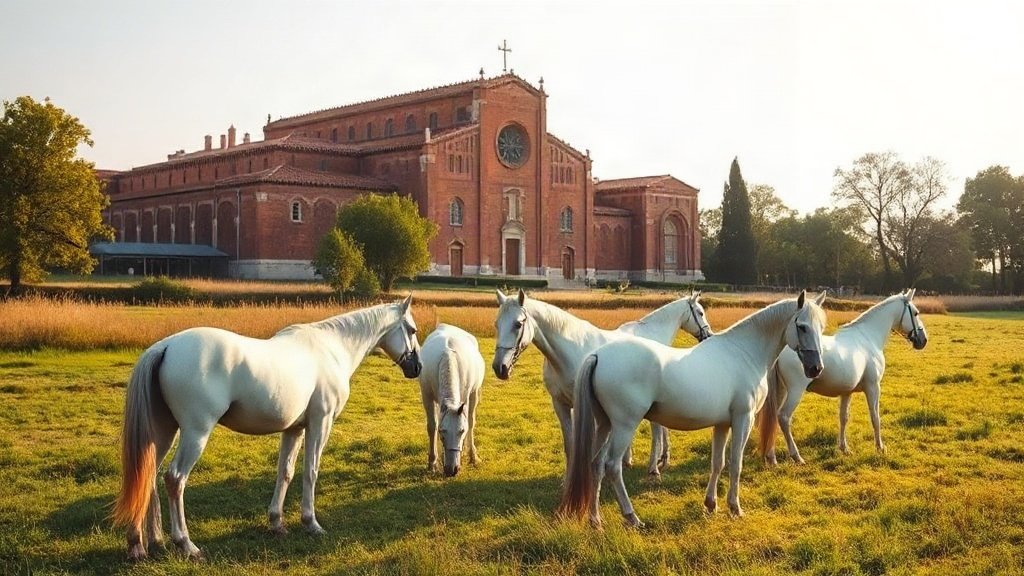
Illustration: AI-generated image
In the flat golden plains of eastern Croatia, the small town of Đakovo stands out with a grace that surprises first-time visitors. Known as the 'Heart of Slavonia', it combines religious heritage, equestrian tradition and genuine rural warmth. Far from the Adriatic crowds, Đakovo offers a slow, authentic Croatian experience that lingers long after you leave.
A Cathedral That Rivals Europe's Finest
The skyline of Đakovo is dominated by the Cathedral of St. Peter, a vast neo-Romanesque and Gothic revival building completed in the late 19th century. Built from seven million bricks and adorned with intricate stonework, its red-brick facade glows warmly at sunset. Inside, more than forty frescoes by Croatian and German artists cover the walls, depicting biblical scenes and Slavonian history. The cathedral's two slender bell towers rise 84 metres, visible for miles across the surrounding fields. It is considered one of the most important sacral buildings in this part of Europe and was visited by Pope John Paul II in 1994.
Meet the Famous Lipizzaner Horses
Just outside town lies the State Stud Farm Đakovo, one of the oldest Lipizzaner breeding centres in the world. Founded in 1506, it has produced these elegant white horses for over five centuries, originally for the Habsburg court in Vienna. Today, visitors can walk through the historic stables, learn about the breeding programme and watch training sessions in the carriage driving arena. The calm temperament and graceful movements of the Lipizzaners make this a highlight for families and horse lovers alike. The farm also keeps Nonius and other traditional Slavonian breeds used for agricultural work and driving.
Flavours of Slavonia
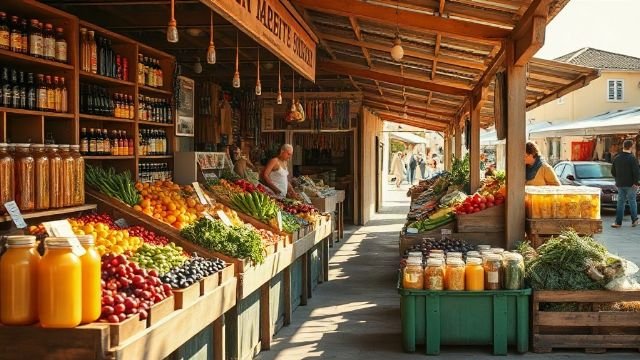
No visit to Đakovo is complete without tasting the region's hearty cuisine. Slavonian specialities rely on rich paprika, smoked meats and freshwater fish. Try fiš paprikaš, a spicy fish stew cooked in a cauldron over an open fire, or kulen, a cured sausage with a protected designation of origin. Local wineries produce strong white wines like Graševina and Traminac, perfect with a platter of cheese and dried meats. The town's annual Đakovački Vezovi festival, held each summer, celebrates folk costumes, dance and tradition with parades and equestrian shows.
Planning Your Slow Visit
Đakovo is easy to reach by train or bus from Osijek, about 40 kilometres away, making it a comfortable day trip or a peaceful base for exploring Slavonia. The town centre is compact and walkable, with the cathedral, bishop's palace and pedestrian zone all within a short stroll. The stud farm is a pleasant 20-minute walk or short drive from the centre. Spring and early autumn offer mild weather and fewer visitors, perfect for unhurried exploration. While English is not as widely spoken as on the coast, locals are friendly and eager to help.
For those looking to step beyond Croatia's famous islands and coastline, Đakovo rewards curiosity with architectural beauty, living history and a genuine taste of Slavonian pride.