Choosing the Right Location for Your Business in Croatia: A Regional Guide
From Zagreb's economic hub to the tourism-driven coast, Croatia's regions offer distinct advantages for businesses. Here is what to consider when picking your base.
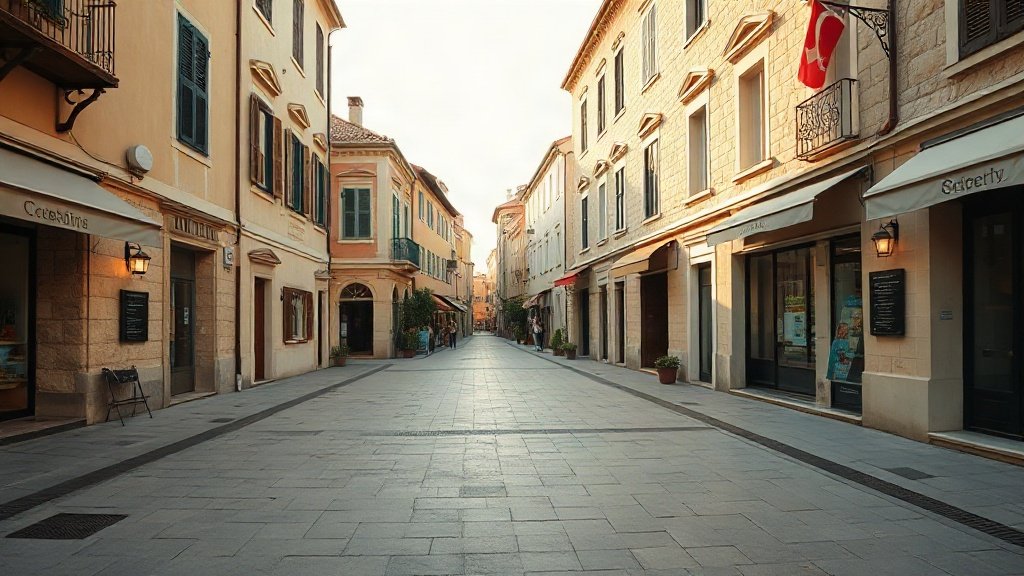
Illustration: AI-generated image
Selecting the right location is one of the most important decisions for any business in Croatia. The country may be compact, but its regions differ significantly in infrastructure, labour markets, customer profiles, and operating costs. Whether you are launching a startup, expanding an established company, or relocating from abroad, understanding these regional differences will help you make an informed choice.
Infrastructure and Connectivity
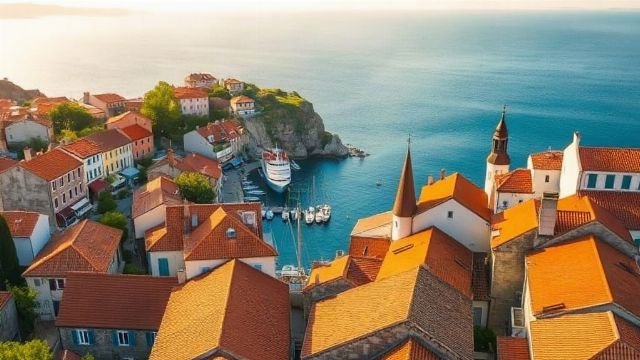
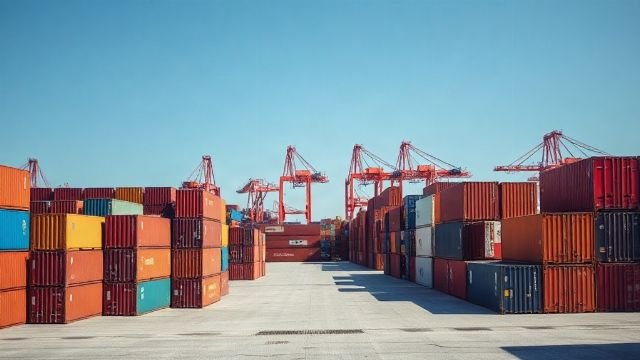
Croatia's motorway network connects major cities efficiently, but access to ports, airports, and rail varies. Zagreb, as the capital and transport hub, offers the best overall connectivity, with an international airport and direct road and rail links to Central Europe. Coastal cities like Rijeka, Split, and Zadar benefit from seaports and growing air connections, particularly during the tourist season. Slavonia and other inland regions have good road links but fewer international transport options. If your business relies on imports, exports, or frequent travel, proximity to these transport nodes should be a key factor.
Workforce and Talent
The labour market differs by region. Zagreb and its surroundings have the largest pool of educated workers, with several universities and a concentration of knowledge-based industries. Split and Rijeka also have strong academic institutions, particularly in engineering, maritime studies, and IT. Coastal areas face seasonal labour shortages in tourism and hospitality, while Slavonia offers a skilled but smaller workforce, often with lower wage expectations. For businesses requiring specialised skills, being near a university city can be a major advantage.
Market Access and Customer Base
Your target market will heavily influence location. Zagreb provides access to the largest domestic consumer base and many corporate clients. Coastal regions are dominated by tourism, making them ideal for hospitality, retail, and services that cater to visitors but less stable year-round. Inland areas like Osijek or Varaždin offer proximity to neighbouring countries and a strong local market for everyday goods and services. If your business depends on foot traffic or tourism, the coast is attractive; if you serve businesses or a stable local population, Zagreb or other inland cities may be more suitable.
Cost Considerations
Operating costs vary significantly across Croatia. Rents for commercial space are generally highest in Zagreb and on the coast, especially in prime tourist areas. Utilities and municipal fees also differ, with some cities offering incentives for businesses in designated zones. Wages tend to be lower in Slavonia and parts of inland Croatia, which can reduce labour costs. However, lower costs may come with trade-offs in talent availability or infrastructure. Balancing cost with other factors is essential.
Quality of Life and Employee Retention
Attracting and retaining employees often depends on the quality of life a location offers. Coastal cities provide a Mediterranean lifestyle, while Zagreb offers more cultural amenities, international schools, and career opportunities. Smaller towns may appeal to those seeking a quieter environment. Consider what matters to your workforce and how location affects your ability to recruit.
Making the Decision
Before committing, research each region thoroughly, visit potential sites, and talk to local business owners. Factors such as local government support, community attitude toward new businesses, and future development plans can tip the balance. Croatia's diversity means there is no single best location—only the best one for your specific needs.