Coworking in Croatia: A Practical Guide for Remote Workers and Startups
From Zagreb to Split, Croatia's coworking scene has grown rapidly. Here's what to expect and how to choose a space that fits your work style and budget.
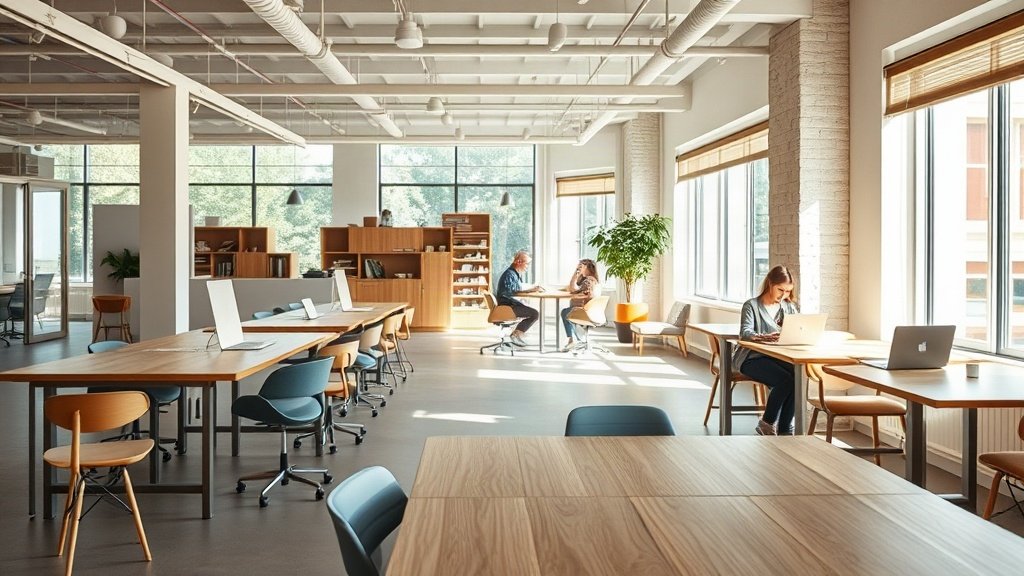
Illustration: AI-generated image
Croatia has become an increasingly popular destination for remote workers, freelancers, and startup teams. Its combination of Mediterranean lifestyle, growing digital infrastructure, and a welcoming business environment has led to a boom in coworking spaces across the country. Whether you are settling in Zagreb, exploring the coast in Split, or island-hopping while working, you will find a range of shared offices designed to support productivity and community.
A Growing Scene Across the Country
In recent years, coworking spaces have expanded beyond the capital. Zagreb remains the hub, with the highest concentration of facilities, but cities like Split, Rijeka, Zadar, and Osijek now offer dedicated spaces. Coastal towns popular with digital nomads, such as Hvar and Dubrovnik, have also seen new openings, often with a seasonal character. This growth means that most urban areas have at least one reliable option, and many spaces cater specifically to international members.
What to Expect in a Croatian Coworking Space
Most coworking spaces in Croatia provide the essentials: reliable high-speed internet, comfortable desks, meeting rooms, and communal areas. Many go further with additional perks that reflect the local lifestyle. Common amenities include:
- High-speed Wi-Fi with backup connections
- Ergonomic chairs and adjustable desks
- Private phone booths for calls
- Fully equipped kitchens with free coffee and tea
- Outdoor terraces or balconies
- Bike storage and showers
- Event spaces for workshops and networking
You will also find that many spaces organise social events, from informal Friday drinks to skill-sharing sessions. This community focus is a key reason why people choose coworking over working from home or cafés.
Choosing the Right Location
Location matters as much as facilities. If you need to meet clients or attend events, a central space in Zagreb or Split will save time. If you prefer a quieter environment, consider a space in a residential neighbourhood or a smaller town. Coastal coworking spaces often offer stunning views and easy access to the sea, which can be a great motivator during the summer months. However, keep in mind that some coastal facilities may have reduced hours or higher demand during the tourist season.
Membership Types and Community
Coworking spaces in Croatia typically offer several membership tiers. A hot desk membership allows you to use any available desk in a shared area, while a dedicated desk gives you a permanent spot. Private offices are also available for teams or individuals who need more privacy. Many spaces offer day passes or weekly rates, which are convenient for travellers. Monthly memberships are the most cost-effective for longer stays.
Before committing, ask about the community. Some spaces attract a mix of local entrepreneurs and international remote workers, while others focus on specific industries. Visiting for a trial day is the best way to gauge whether a space feels right.
Making the Most of Your Time
Once you have chosen a coworking space, take advantage of what it offers beyond a desk. Attend events, introduce yourself to other members, and explore the surrounding area during breaks. Many spaces have partnerships with local cafés and restaurants, giving you discounts. If you are new to Croatia, the community can be an invaluable source of local knowledge, from bureaucratic tips to the best hidden beaches.
Overall, coworking in Croatia combines professional infrastructure with a relaxed Mediterranean atmosphere. With a little research, you can find a space that boosts your productivity and helps you feel at home.