Croatian Honey: A Guide to Varieties and Traditions
From acacia to sage, Croatia's honey reflects its diverse landscapes. Discover the country's most prized honey varieties and how locals enjoy them.
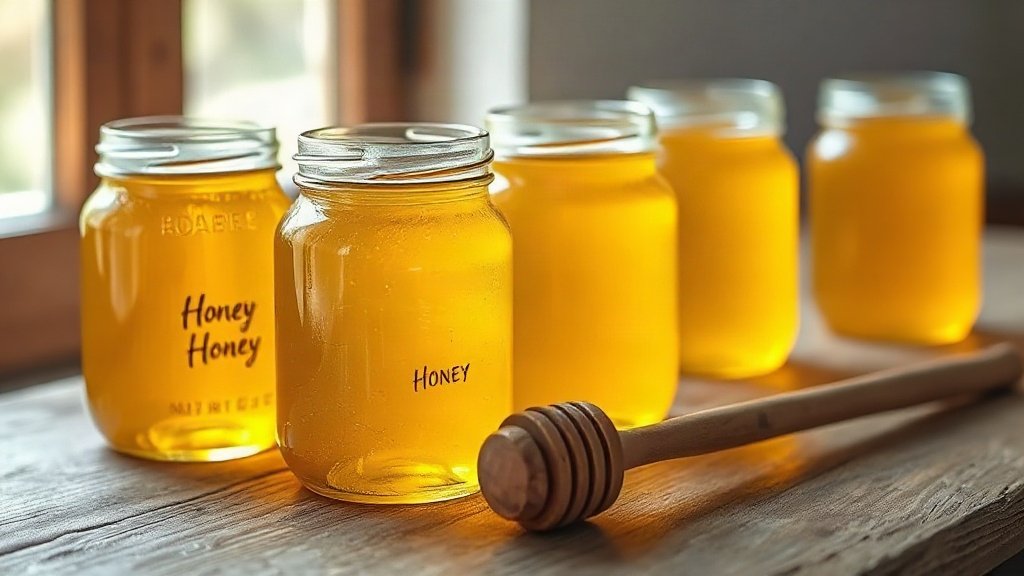
Illustration: AI-generated image
Honey has been part of Croatian life for centuries, long before modern beekeeping. Today, the country is home to thousands of beekeepers, many of whom still work with traditional methods passed down through generations. The result is a remarkable diversity of honey, each variety shaped by the flowers, herbs and trees of a particular region.
What makes Croatian honey special?
Croatia's varied geography—from the continental plains of Slavonia to the rocky Adriatic coast—provides bees with a wide range of nectar sources. This allows beekeepers to produce monofloral honeys that capture the essence of a single plant. Many producers also follow sustainable practices, keeping hives in unpolluted areas far from intensive agriculture.
Popular varieties
- Acacia honey: Light, delicate and slow to crystallise, acacia is one of the most popular honeys in Croatia. It comes from the white blossoms of the black locust tree, common in the north and east.
- Chestnut honey: Dark, strong and slightly bitter, chestnut honey is prized for its robust flavour. It is produced in forested areas such as Gorski Kotar and parts of Istria.
- Sage honey: From the aromatic wild sage that carpets the Dalmatian islands and hillsides, this honey has a distinct herbal note and a golden colour.
- Meadow honey: A multifloral blend from wildflowers, often with a complex, fruity taste. It varies from season to season.
- Linden (lime) honey: With a fresh, minty aroma, linden honey is produced where linden trees grow, particularly in continental Croatia.
How to enjoy Croatian honey
Croatians often start the day with a spoonful of honey, either on bread or stirred into tea. It is also a key ingredient in traditional sweets like medenjaci (honey-spice cookies) and licitari (decorated gingerbread hearts). For a simple treat, drizzle acacia honey over fresh cheese or yoghurt. Chestnut honey pairs wonderfully with aged cheeses and game dishes, while sage honey adds depth to marinades and vinaigrettes.
Where to find it
Honey is sold at farmers' markets, specialised shops and directly from beekeepers throughout the country. Look for labels indicating the floral source and the region of production. Many family-run apiaries offer tastings, allowing you to compare varieties side by side. When travelling, keep an eye out for local honey at roadside stands—it is often a true taste of the landscape.