Croatian Olive Varieties: A Guide to Oblica, Buža and Beyond
Croatia's olive oils are shaped by indigenous varieties that thrive along the Adriatic coast. Here's what to know and how to taste the differences.
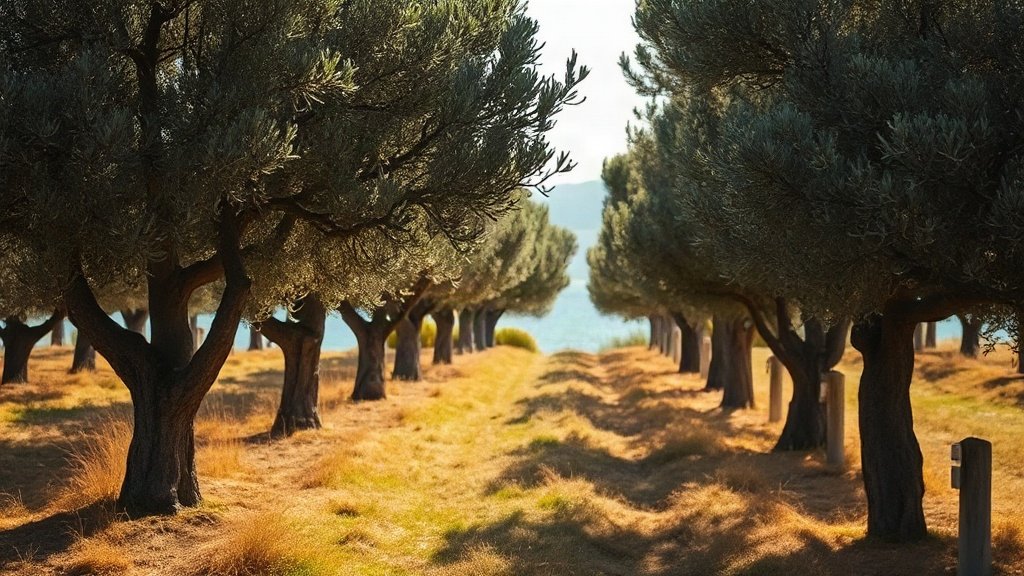
Illustration: AI-generated image
Croatia may be small, but its olive groves tell a story of ancient trade routes, Mediterranean sunshine and generations of careful cultivation. Along the Adriatic coast, from the terraced hills of Istria to the rocky slopes of Dalmatia, dozens of olive varieties produce oils with distinct personalities. Understanding these varieties is the first step to appreciating Croatia's liquid gold.
Why Croatian olive varieties matter
Unlike mass-produced oils that blend olives from many regions, Croatian producers often focus on single-variety oils. This lets the character of each olive shine through: some are grassy and peppery, others buttery and mild. The variety, along with the terroir and harvest time, defines the oil's flavour, aroma and colour.
Key varieties from Istria
Istria, in the north-west, is Croatia's most awarded olive oil region. Its climate and red soil yield oils with a balance of bitterness and fruitiness.
- Buža: The most widespread Istrian variety. It produces a golden-green oil with aromas of green apple, artichoke and fresh herbs. Buža oils are medium-bodied with a pleasant peppery finish.
- Istarska bjelica: A hardy native variety known for its high yield. The oil is typically delicate, with notes of almond and tomato leaf, and a gentle bitterness.
- Leccino: An Italian variety widely planted in Istria. It gives a mild, sweet oil with hints of green banana and a soft texture, often used in blends.
- Pendolino: Another Italian import, valued as a pollinator but also pressed for oil. Pendolino oils are fruity and aromatic, with a slightly spicy kick.
Dalmatian stars
Further south, Dalmatia's rocky terrain and hot summers produce robust oils with intense character.
- Oblica: The queen of Dalmatian olives, Oblica accounts for a large share of Croatia's olive trees. Its oil is full-bodied and fruity, with aromas of ripe tomato, fig leaf and wild herbs. Bitterness and pungency can be strong, especially in early harvest oils.
- Lastovka: Native to the island of Lastovo, this variety yields an oil with a distinct aroma of fresh grass and green almond. It is well balanced, with moderate bitterness and a long, peppery finish.
- Crnica: Grown mainly on the island of Brač, Crnica produces a golden oil with a pronounced bitterness and aromas of artichoke and chicory. It pairs beautifully with grilled fish and hearty stews.
How to taste like a local
When sampling Croatian olive oils, pour a small amount into a glass, warm it with your hand, and inhale deeply. Note the aromas: fresh grass, tomato, almond, artichoke. Then sip a little, letting it coat your mouth. A good oil will have a balance of fruitiness, bitterness and pungency—that peppery sensation at the back of the throat that indicates high polyphenols.
Local tradition pairs strong oils with simple foods: a slice of fresh bread, a piece of young cheese, or a bowl of boiled potatoes. The oil is never just an ingredient; it is the star.
Where to find them
Visitors can taste single-variety oils at olive oil mills, family farms and dedicated tasting rooms along the coast. Many producers offer guided tastings, especially during the autumn harvest season. Farmers' markets in towns like Pula, Zadar and Split also sell local oils, often in unmarked bottles bearing only the variety name.
Whether you prefer the gentle sweetness of Istrian Buža or the bold intensity of Dalmatian Oblica, exploring Croatia's olive varieties is a delicious way to understand the land and its people.