How to Recycle Properly in Croatia: A Simple Sorting Guide
Sorting waste can feel confusing at first, but a few simple habits will help you recycle correctly and avoid common mistakes.
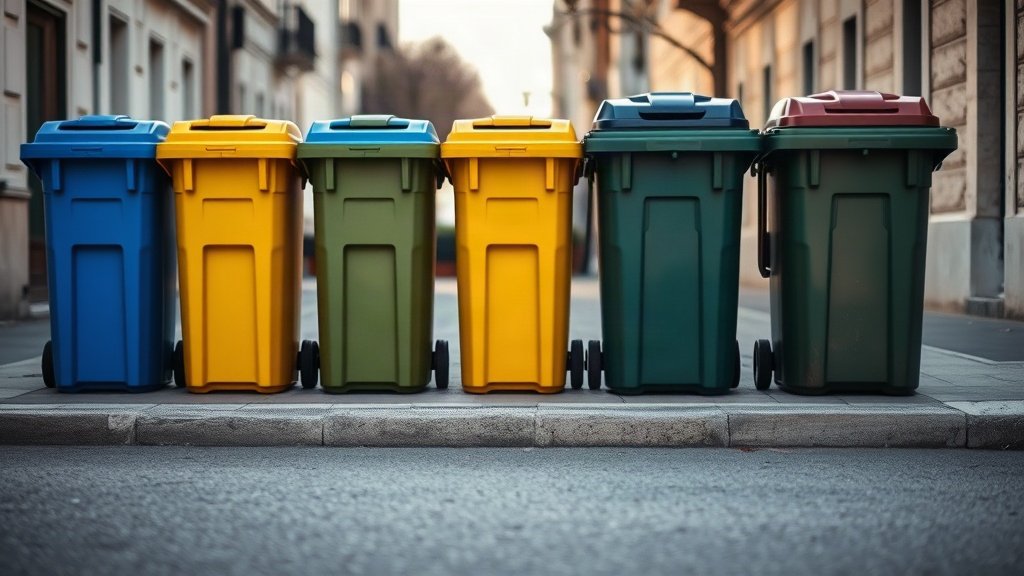
Illustration: AI-generated image
Recycling in Croatia is well established, but the exact system can vary from one town or island to the next. The good news is that the basic principles are the same almost everywhere, and once you understand the colour coding and a few local habits, it becomes second nature.
Know your containers
Most neighbourhoods have communal bins or containers for different materials. While the colours are not always identical across the country, a common scheme is:
- Blue for paper and cardboard
- Yellow for plastic and metal packaging
- Green for glass
- Brown for bio waste (food scraps, garden waste)
- Black or grey for mixed municipal waste
Some places also have separate containers for textiles or small electronics. If you are unsure, look for labels on the bins or check your local utility company's website. They usually publish clear guidelines for your specific area.
The deposit system
Many plastic, metal and glass drink containers in Croatia carry a deposit label, often showing a small symbol and the word povratna naknada. You pay a small deposit when you buy the drink, and you can get it back by returning the empty container to a shop or a recycling machine. Not every shop accepts returns, but larger supermarkets usually do. The key is to keep the label intact and not crush the bottle, because the machine needs to read the barcode.
Bio waste and composting
Separate collection of bio waste is becoming more common, especially in apartment buildings and family houses. If you have a brown bin, use it for fruit and vegetable peelings, coffee grounds, eggshells, garden trimmings and similar organic material. Never put plastic bags inside, even biodegradable ones, unless your local rules explicitly allow them. Many households with gardens simply compost at home, which reduces waste and gives you free fertiliser.
Common mistakes to avoid
- Rinsing containers: A quick rinse is enough. You do not need to use hot water or soap, just remove obvious food residue.
- Flattening cartons and plastic bottles: This saves space in the bin and makes collection more efficient. But remember: if a bottle has a deposit label, do not flatten it.
- Putting the wrong type of plastic in the yellow bin: Hard plastic, plastic film and polystyrene may be accepted differently. When in doubt, check the packaging for recycling symbols or consult your local guidelines.
- Mixing broken glass with normal glass: Broken drinking glasses, ceramics or window glass do not belong in the glass container. Take them to a recycling yard or dispose of them as mixed waste.
Where to take bulky items
Old furniture, large appliances, batteries, paint, medicines and electronics should never go in regular bins. Most towns have a reciklažno dvorište (recycling yard) where residents can drop off these items free of charge. You may need to show proof of address. Many shops also collect old batteries and small electronics. For medicines, any pharmacy will accept expired drugs for safe disposal.
Getting recycling right takes a little practice, but it is one of the easiest ways to live more sustainably in Croatia. And once you know the system, you will find it is not much extra work at all.