Kopački Rit: A Guide to Croatia's Flooded Forest and Birdlife
One of Europe's largest wetlands, Kopački Rit invites slow exploration by foot, bike and boat. Here's what to see and how to plan a visit.
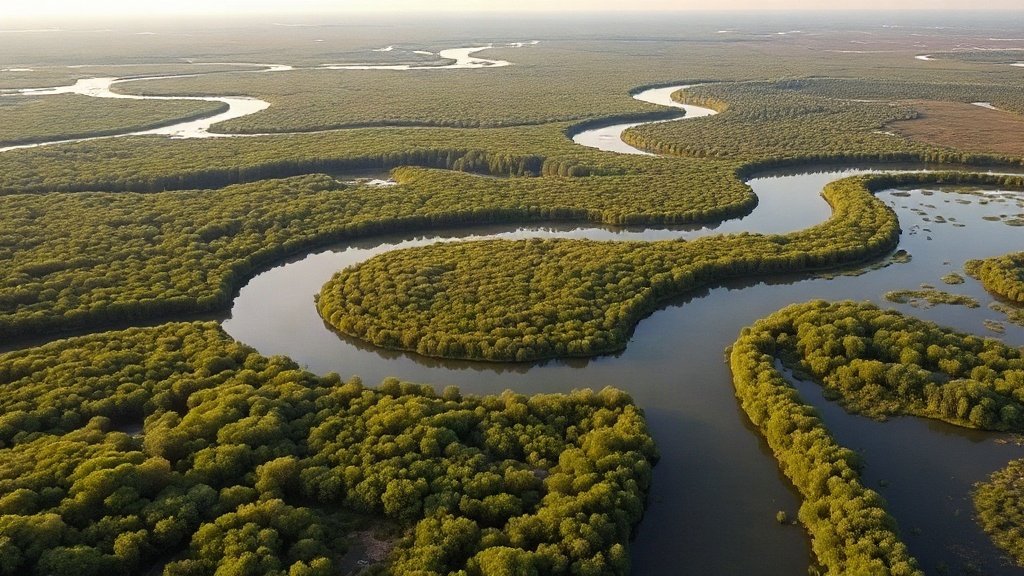
Illustration: AI-generated image
Tucked into Croatia's far northeast, where the Drava River meets the Danube, Kopački Rit is a watery wilderness that feels a world away from the Adriatic coast. This nature park – one of the largest and best-preserved floodplains in Europe – transforms with the seasons, attracting hundreds of bird species and offering visitors a rare chance to explore a landscape shaped entirely by water.
Where is Kopački Rit?
The park lies in the eastern region of Slavonia, just a short drive from the city of Osijek. It sits at the confluence of the Drava and Danube rivers, forming a vast maze of backwaters, marshes, wet meadows and floodplain forests. The core zone is strictly protected, while the wider area allows for gentle recreation and nature tourism.
What to see and do
Kopački Rit is best known for its birdlife. More than 300 bird species have been recorded here, including white-tailed eagles, black storks, herons, spoonbills and countless waterfowl. Spring and autumn migrations bring huge flocks, while winter is a good time for spotting birds of prey.
The landscape itself is a highlight. Flooded oak, willow and poplar forests create an almost mystical atmosphere, especially when mist rises off the water. Visitors can explore on foot along marked trails, cycle the quiet dirt roads, or join a small boat excursion through the channels – the classic way to experience the park. Canoeing and kayaking are also possible in certain areas.
Look out for deer, wild boar and beavers along the banks, and keep an eye on the water for turtles and fish. The park also has a visitor centre with exhibitions on the local ecology and history.
When to visit
Every season has its character. Spring brings high water and migrating birds, summer offers lush greenery and boat trips, autumn paints the forests gold and brings the first frosts, and winter is quiet and stark, ideal for serious birdwatchers. The park is open year-round, though some trails or boat routes may be closed during high water or icy conditions.
Practical tips
- Wear comfortable, waterproof footwear – the ground can be muddy even in dry periods.
- Bring binoculars if you have them; birdwatching is the main draw.
- Insect repellent is essential in warmer months.
- There are no food shops inside the park, so pack water and snacks.
- Stay on marked paths and follow any local guidance to protect the fragile habitat.
Kopački Rit is a reminder of what lowland Europe once looked like – wild, watery and full of life. For travellers seeking a slower, greener side of Croatia, it is a journey well worth making.