Kvarner Scampi: A Guide to Croatia's Prized Adriatic Shellfish
Learn about the sweet, tender scampi from the Kvarner Bay, a highlight of Croatian coastal cuisine, and how to enjoy them like a local.
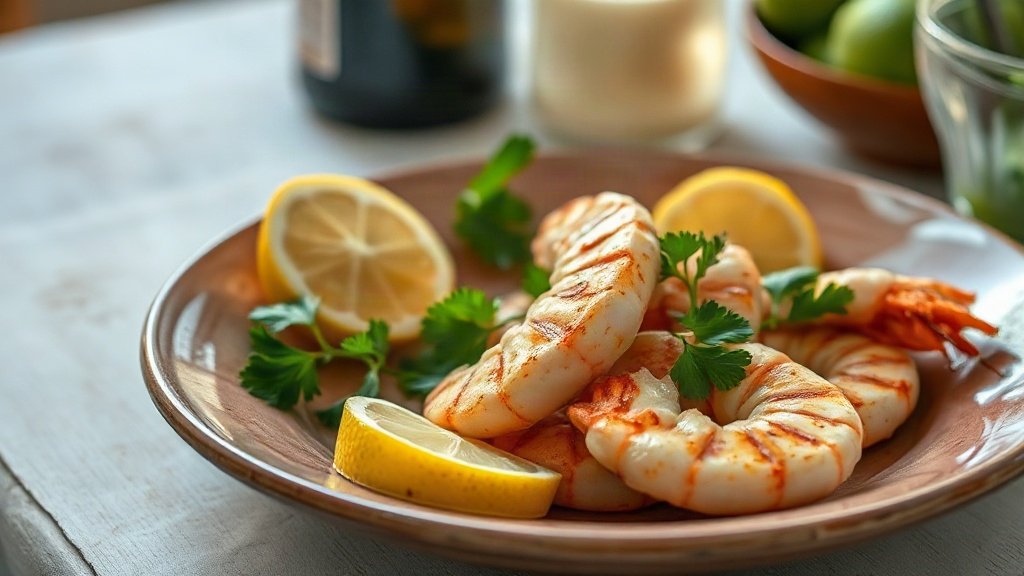
Illustration: AI-generated image
If you have eaten seafood along Croatia's northern Adriatic coast, you have likely encountered Kvarner scampi. These pale pink shellfish, a type of Norway lobster, are prized for their delicate, sweet meat and are a point of pride for the Kvarner region. Unlike the small prawns often called scampi elsewhere, these are substantial creatures with firm, succulent tails, and they hold a special place in Croatian gastronomy.
What Makes Kvarner Scampi Special
Kvarner scampi (Nephrops norvegicus) thrive in the deep, clean waters of the Kvarner Bay, an area between Istria and the northern Dalmatian coast. The bay's unique combination of cold currents, salinity, and rocky seabed is said to give the scampi their distinctive flavour—sweeter and more refined than those from other parts of the Adriatic. Locals often say you can taste the difference, and many consider Kvarner scampi to be the finest in Croatia, if not the entire Mediterranean.
The scampi are usually caught by trawlers or with traditional pots, and they are best enjoyed as fresh as possible. Their meat is denser and more lobster-like than that of common prawns, with a subtle brininess that pairs beautifully with simple ingredients.
How to Enjoy Kvarner Scampi
The most iconic preparation is škampi na buzaru, where the scampi are quickly sautéed in a rich sauce of olive oil, garlic, white wine, tomatoes, and breadcrumbs. The name comes from buzara, the traditional Dalmatian cooking pot, and the dish is a staple in coastal konobas. The sauce is often sopped up with fresh bread, and eating with your hands is perfectly acceptable.
Another favourite is simply grilled over an open fire or on a hot griddle, drizzled with olive oil, lemon, and a sprinkle of parsley. This method highlights the scampi's natural sweetness. They also appear in elegant risottos, pasta dishes, and even as a starter with aioli.
When ordering, you will often see them priced per kilogram, and they are usually served whole, head and all. The head contains delicious juices, and sucking it is considered a treat rather than a faux pas.
Where to Find Them
Kvarner scampi are a fixture on menus across the region, from the islands of Krk, Cres, and Lošinj to the mainland towns of Opatija, Rijeka, and Crikvenica. While many restaurants serve them, the best experiences are often in small, family-run konobas where the scampi are cooked to order and the recipe has been passed down for generations.
For those who prefer to cook at home, local fish markets, especially in Rijeka and on the islands, are the place to buy fresh scampi. Ask for those caught that day, and look for bright eyes and a firm shell. They are also available frozen, but fresh is always preferable.
A Simple Preparation to Try
To make škampi na buzaru at home, heat olive oil in a large pan and sauté chopped garlic and a little onion until soft. Add the scampi and cook for a minute on each side, then pour in a glass of white wine and let it bubble. Add chopped tomatoes, a spoonful of tomato paste, breadcrumbs, salt, pepper, and a splash of water. Cover and simmer for about 10 minutes until the scampi are pink and the sauce thickens. Finish with fresh parsley and serve with crusty bread.
Whether you enjoy them in a seaside restaurant or cook them yourself, Kvarner scampi offer a true taste of the Adriatic. Their sweet, delicate flavour and the simplicity of traditional preparations make them a must-try for any seafood lover visiting Croatia.