Palačinke: A Guide to Croatia's Beloved Thin Pancakes
Palačinke are thin, delicate pancakes enjoyed across Croatia as a sweet or savoury treat. Learn how they're made, how locals eat them, and try a simple recipe at home.
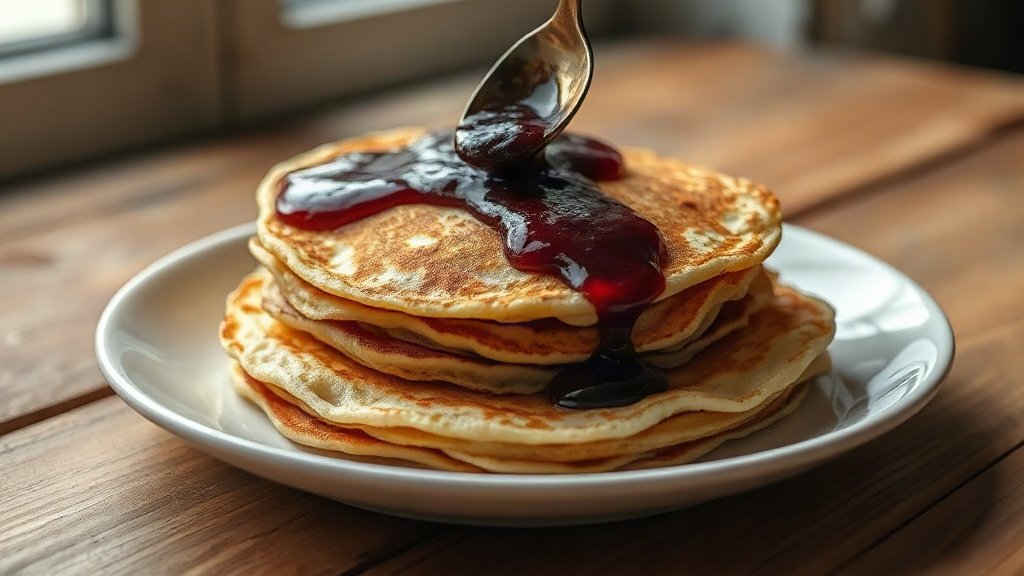
Illustration: AI-generated image
Palačinke are one of Croatia's most cherished everyday foods. These thin, crepe-like pancakes are a staple in households, cafés and at festivals, enjoyed as a quick snack, a dessert or even a light meal. While they share roots with the French crêpe and the Austrian Palatschinke, the Croatian version has its own character and a special place in local food culture.
What are palačinke?
Palačinke are made from a simple batter of flour, eggs, milk and a pinch of salt, cooked in a lightly oiled pan until paper-thin and lightly golden. Unlike American pancakes, they contain no raising agent, so they stay flat and flexible, ready to be rolled or folded around a filling. The texture is tender, with slightly crisp edges, and the flavour is neutral enough to pair with both sweet and savoury ingredients.
How palačinke are eaten in Croatia
In Croatia, palačinke are a versatile dish that appears at breakfast, as a street food snack, or as a dessert after a family meal. The most common sweet fillings include:
- Jam or marmalade – often apricot, plum or mixed berry, spread thinly and rolled up.
- Chocolate spread – such as Eurokrem or Nutella, sometimes with chopped nuts or banana.
- Fresh cheese – sweetened cottage cheese or quark, sometimes mixed with raisins and a little sugar.
- Sugar and lemon juice – a simple, classic combination that lets the pancake shine.
Savoury versions are less common but equally loved: palačinke filled with ham and cheese, mushrooms, or spinach and ricotta, then baked with a little cream or béchamel. Some cooks also layer palačinke into a kind of cake, alternating pancakes with fillings like walnuts, chocolate or cheese, then slicing it into portions.
When palačinke appear
Palačinke are not tied to a single holiday; they are an everyday comfort food. You will find them at school canteens, family gatherings, and simple konobas. They are also a popular choice at fairs and open-air events, where they are cooked fresh on large round griddles and served hot, folded into triangles. In many homes, palačinke are a common way to use up leftover milk or eggs, and children often learn to flip them at a young age.
Making palačinke at home
The batter is forgiving and quick to prepare. A basic recipe for about 8–10 pancakes uses:
- 250 g plain flour
- 2 eggs
- 500 ml milk
- A pinch of salt
- A little melted butter or oil for the pan
Whisk the flour, eggs, salt and about half the milk into a smooth paste, then gradually whisk in the rest of the milk until the batter is the consistency of single cream. Let it rest for at least 20 minutes – this helps the pancakes stay tender. Heat a non-stick pan over medium heat, brush with a little oil or butter, and pour in just enough batter to coat the bottom thinly. Cook for about a minute until the edges lift, then flip and cook for another 30 seconds. Stack the cooked pancakes on a plate and keep warm.
To serve, spread your chosen filling over each pancake, roll or fold, and dust with icing sugar if sweet. For a savoury version, fill with grated cheese and ham, then warm through in the pan or oven.
Palačinke are a true crowd-pleaser – simple, economical and endlessly adaptable. Whether you enjoy them at a seaside stand or make a batch at home, they offer a taste of everyday Croatian comfort.