Paprenjaci: A Guide to Croatia's Traditional Spiced Honey Cookies
Discover the history and flavour of paprenjaci, the aromatic honey and pepper cookies that have been a Dalmatian favourite for centuries.

Illustration: AI-generated image
Paprenjaci are small, beautifully moulded cookies that have been part of Dalmatian culinary heritage for generations. Their name comes from the Croatian word for pepper, papar, which gives them a subtle warmth that pairs surprisingly well with honey and spices. Often made for holidays, weddings and other celebrations, these cookies are a taste of tradition in every bite.
A Sweet Legacy from Dalmatia
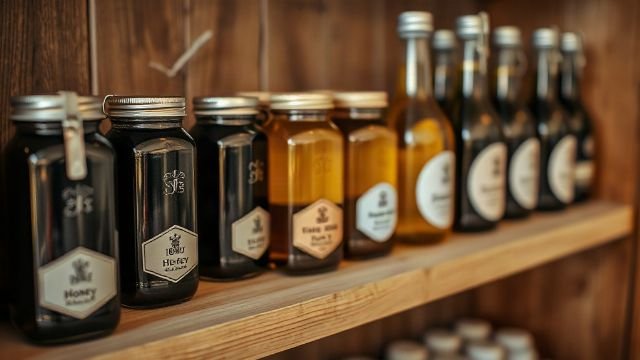
The exact origins of paprenjaci are hard to pin down, but they are strongly associated with the Dalmatian coast and islands, where they have been baked for centuries. In the past, when sugar was scarce and expensive, honey served as the main sweetener, and local spices like pepper, cinnamon and cloves added depth. Families would often have carved wooden moulds to shape the cookies, sometimes with intricate designs featuring flowers, hearts or religious symbols. Today, these moulds are prized heirlooms, and the cookies remain a beloved symbol of Dalmatian hospitality.
What Makes Paprenjaci Special
The base of paprenjaci is a simple dough made from flour, honey, eggs and a little fat, usually butter or lard. The defining characteristic is the blend of spices: black pepper provides a gentle heat, while cinnamon, cloves, nutmeg and sometimes grated lemon zest add aromatic sweetness. The dough is rolled thin, pressed into moulds, and baked until just golden. The result is a crisp, fragrant cookie that is not overly sweet, making it perfect with a cup of coffee or a glass of prošek, the traditional Dalmatian dessert wine. The texture is delicate but sturdy enough to hold intricate patterns, and the flavour lingers pleasantly with a warm, spicy finish.
When and How to Enjoy Them
Paprenjaci are eaten year-round but are especially popular around Christmas and Easter, when they are offered to guests and given as small gifts. They are also a common feature at weddings, where they may be placed on tables as edible favours. For visitors to Dalmatia, paprenjaci can be found in local bakeries, at green markets and in souvenir shops that specialise in regional foods, often packaged in decorative tins. While enjoying them, it is worth remembering that each bite carries the history of Dalmatian kitchens, where simple ingredients were transformed into something truly memorable.
Whether you try them in a coastal town or bake a batch at home, paprenjaci offer a delicious introduction to the sweet side of Croatian tradition.