Pinca: A Guide to Croatia's Traditional Easter Bread
Soft, subtly sweet and enriched with eggs and citrus, pinca is the centrepiece of Croatian Easter tables. Here's what makes this festive bread so special and how it's enjoyed across the country.
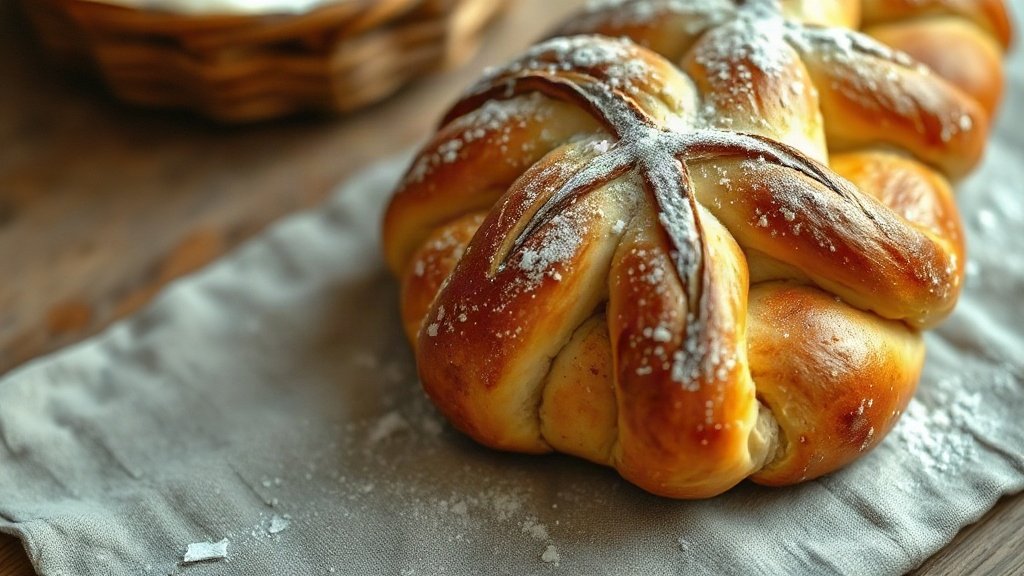
Illustration: AI-generated image
As Easter approaches, kitchens across Croatia fill with the scent of yeast, citrus and butter. The star of the holiday table is a soft, subtly sweet bread known as pinca. While its name and shape may vary from region to region, its role as a symbol of renewal and celebration remains constant.
What is pinca?
Pinca is an enriched bread traditionally baked for Easter. It is made from a dough rich in eggs, butter and sugar, flavoured with grated lemon or orange zest, and often with a splash of rum or rosewater. The dough is typically braided or shaped into a round loaf, and a cross is scored or made from dough on top. Some versions include raisins or candied fruit, but the classic recipe keeps the crumb soft and light, with a golden, glossy crust.
In Dalmatia and parts of the coast, the same bread is often called sirnica, not to be confused with the savoury cheese pastry of the same name. In Istria and the Kvarner region, pinca is the more common term. Despite the different names, the bread is a beloved Easter morning treat, often blessed at church and eaten after the Lenten fast.
How is it made?
Making pinca at home is a labour of love. The dough is prepared the day before or early in the morning, as it requires a long, slow rise to develop its characteristic flavour and airy texture. Key ingredients include:
- Flour – usually a fine white wheat flour, sometimes with a little semolina for texture.
- Eggs – whole eggs and extra yolks give the bread its rich colour and tenderness.
- Butter – adds richness and a tender crumb.
- Sugar – just enough for a gentle sweetness, not overly sweet.
- Yeast – fresh or dried, to leaven the dough.
- Citrus zest – lemon or orange, for a bright, festive aroma.
- Flavourings – vanilla, rum, or rosewater are common additions.
After the first rise, the dough is shaped into a round or braided loaf, often topped with a cross made from two strips of dough. It is then left to rise again until puffy, brushed with beaten egg for a shiny finish, and baked until deep golden. The result is a bread that is soft, fragrant and perfect for sharing.
A tradition of joy
Pinca is more than just food; it is a symbol of spring and new life. Families bake it to celebrate the end of Lent, and it is often the first rich food eaten after weeks of fasting. On Easter morning, the bread is taken to church to be blessed, then served at the festive breakfast or lunch, alongside ham, eggs, spring onions and horseradish.
For visitors to Croatia during Easter, tasting pinca is a delicious way to connect with local customs. Bakeries and markets offer their own versions, but the most memorable are usually those made at home, with recipes passed down through generations.
Whether you call it pinca or sirnica, this golden, aromatic bread is a taste of Croatian Easter that lingers long after the holiday has passed.