Pljočkanje: A Guide to Istria's Ancient Stone Throwing Game
Discover the rules, history and cultural significance of pljočkanje, a traditional game from Croatia's Istrian peninsula that has been played for centuries.
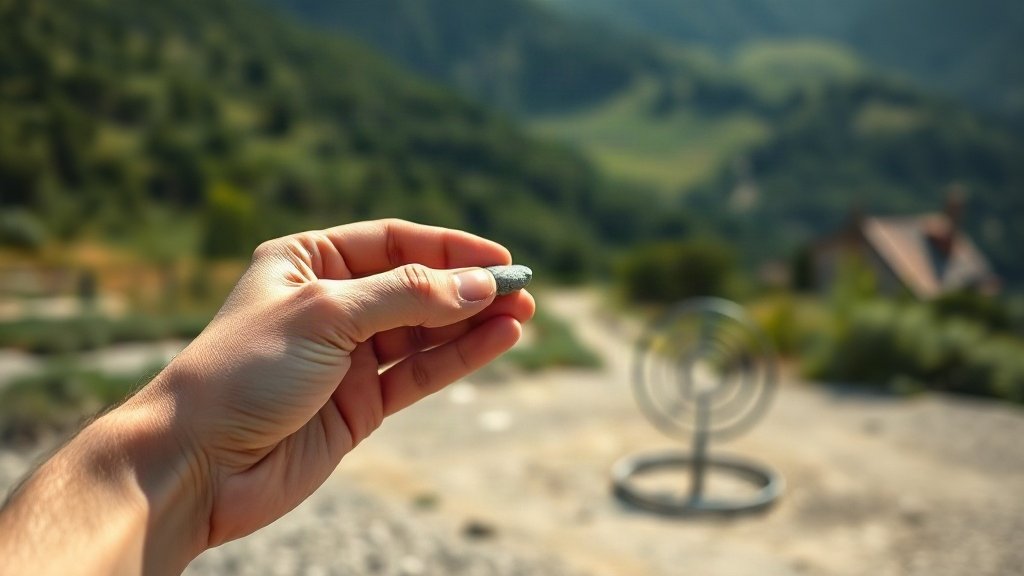
Illustration: AI-generated image
Across the villages of Croatia's Istrian peninsula, a distinctive game has been played for generations, using little more than flat stones and a steady aim. Known as pljočkanje, this traditional pastime is a living link to the region's rural heritage and a source of local pride.
What is Pljočkanje?
Pljočkanje (pronounced plyoch-kah-nyeh) is a precision throwing game in which players toss small, flat stones at a target placed on the ground. The name comes from the word pljočka, meaning a flat stone or disc. The game is similar in spirit to bocce or horseshoes, but with its own distinctive rules and equipment. It is traditionally played outdoors on a grass or dirt field, often during village gatherings, festivals and warm summer evenings.
How to Play
The basic aim of pljočkanje is to throw your stones as close as possible to a smaller target stone or metal disc, called the balin or ćug. Players take turns throwing a set number of stones from a marked line. Points are awarded for the closest stones, and games can be played individually or in teams. The stones used are typically naturally flat, rounded pieces of limestone or slate, often polished smooth by use. Each player may have their own set, carefully selected for weight and balance.
History and Cultural Significance
The origins of pljočkanje are not precisely documented, but the game is thought to date back centuries, rooted in the pastoral and agricultural life of Istria. It was a simple form of entertainment for shepherds and farmers, requiring no special equipment beyond what nature provided. Over time, it became a cherished social activity, bringing communities together and preserving a sense of shared identity.
Today, pljočkanje is recognised as an important part of Istria's intangible cultural heritage. It is kept alive through local clubs, tournaments and demonstrations, and it has been included in Croatia's national register of cultural goods. The game embodies values of skill, patience and friendly competition, and it offers a tangible connection to the region's past.
Where to Experience Pljočkanje Today
If you are travelling through Istria, you may encounter pljočkanje at village fairs, cultural events and summer festivals. Many towns and villages host annual competitions, often accompanied by traditional music and food. Even outside organised events, you might see locals playing on a patch of grass or a dedicated field. For visitors, watching a game—or even trying a throw—provides a memorable insight into everyday Istrian culture.
Pljočkanje is more than just a game; it is a living tradition that continues to bind communities and celebrate the simple joys of rural life. Whether you are a curious traveller or a culture enthusiast, seeking out a game of pljočkanje is a rewarding way to connect with the authentic spirit of Istria.