A Guide to Croatian Wine: Regions, Grapes and Tasting Notes
Explore Croatia's wine regions, from Istrian Malvazija to Dalmatian Plavac Mali, and learn how to taste your way across the country.
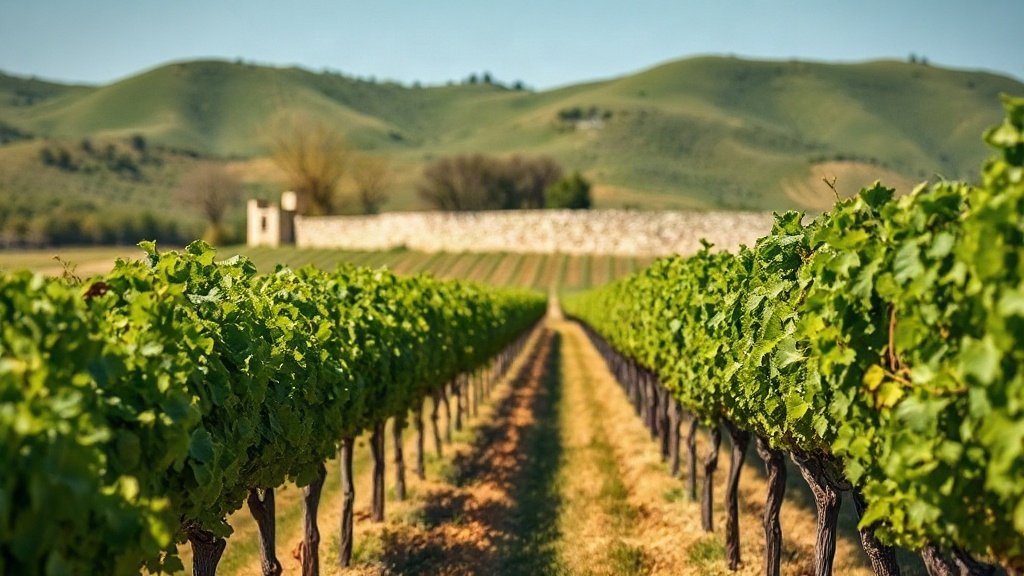
Illustration: AI-generated image
Croatia’s wine story is written across more than 300 geographically defined wine areas, stretching from the rolling hills of Istria in the northwest to the sun-baked slopes of Dalmatia in the south. For travellers, wine offers a delicious way to explore the country’s landscapes, traditions and local life. Here’s what you need to know to plan a wine-focused trip.
Understanding Croatia’s wine regions
Croatia is divided into four main wine regions: Istria and Kvarner, Dalmatia, Slavonia and the Croatian Uplands. Each has its own climate, soils and signature grapes, so a journey across them feels like visiting several different wine worlds.
Istria and Kvarner are known for crisp white wines and elegant reds. The star white grape is Malvazija Istarska, which produces fresh, aromatic wines with notes of acacia and citrus. The local red Teran is tart and food-friendly, perfect with prosciutto and truffles. The landscape of hilltop towns and coastal breezes makes this a beautiful area for cycling between vineyards.
Dalmatia, from Zadar down to Dubrovnik and the islands, is the home of robust reds. Plavac Mali, a descendant of Zinfandel, thrives on steep, sun-drenched slopes and gives full-bodied wines with dark fruit and spice. The island of Hvar, the Pelješac peninsula and the slopes above Split are key areas. White wine lovers should seek out Pošip and Grk from Korčula, both rich and distinctive.
Slavonia and the Croatian Danube in the east produce elegant whites, especially Graševina (Welschriesling), which ranges from dry and mineral to sweet late-harvest styles. This flat, green region is less visited by tourists but offers genuine rural hospitality and excellent value.
The Croatian Uplands, northwest of Zagreb, are known for sparkling wines and fresh whites such as Škrlet and Pušipel. The cool climate and picturesque villages make it a pleasant contrast to the coast.
Grapes to remember
While international varieties like Merlot and Chardonnay are grown, the real excitement comes from indigenous grapes. Look for these on wine lists and in shops:
- Malvazija Istarska – aromatic white, often unoaked, with a saline freshness.
- Plavac Mali – powerful red, sometimes labelled by sub-regions such as Dingač or Postup on Pelješac.
- Pošip – full-bodied white from Korčula, with stone fruit and honeyed notes.
- Graševina – versatile white, dry or sweet, the most planted grape in Croatia.
- Teran – high-acid red from Istria, great with cured meats.
- Grk – rare white from Lumbarda on Korčula, floral and saline.
How to taste wine in Croatia
Many wineries welcome visitors for tastings, but it’s wise to book ahead, especially in summer. Look for signs saying “kušaonica vina” (wine tasting room) or “vinski podrum” (wine cellar). In rural areas, family-run wineries often serve home-produced cheese, pršut (prosciutto) and olives alongside their wines. English is widely spoken in tourist areas, but a few Croatian phrases always help.
If you prefer a guided experience, wine tours are available from major towns like Split, Dubrovnik, Zadar and Rovinj. These often include transport, which is handy after a few glasses. Alternatively, many restaurants offer local wines by the glass, so you can sample without committing to a full bottle.
Practical tips for wine travellers
- Bring a corkscrew if you plan to buy bottles for a picnic or apartment.
- Check import limits before taking wine home; most countries allow a few litres duty-free.
- Pair with local food – Croatian wines are made for the table, so try them with seafood, lamb or pasta.
- Visit in autumn for harvest festivals and fresh young wines, or in spring when the countryside is green and quiet.
Wine is woven into Croatian daily life, from a glass of bevanda (wine mixed with water) at lunch to a bottle shared at sunset. Exploring the country through its vineyards offers a slower, deeper kind of travel – one that rewards curiosity and a willingness to wander.