A Guide to Kornati National Park: Croatia's Nautical Paradise
Discover the raw beauty of the Kornati archipelago, a national park of stark limestone islands, hidden coves and crystal-clear Adriatic waters.
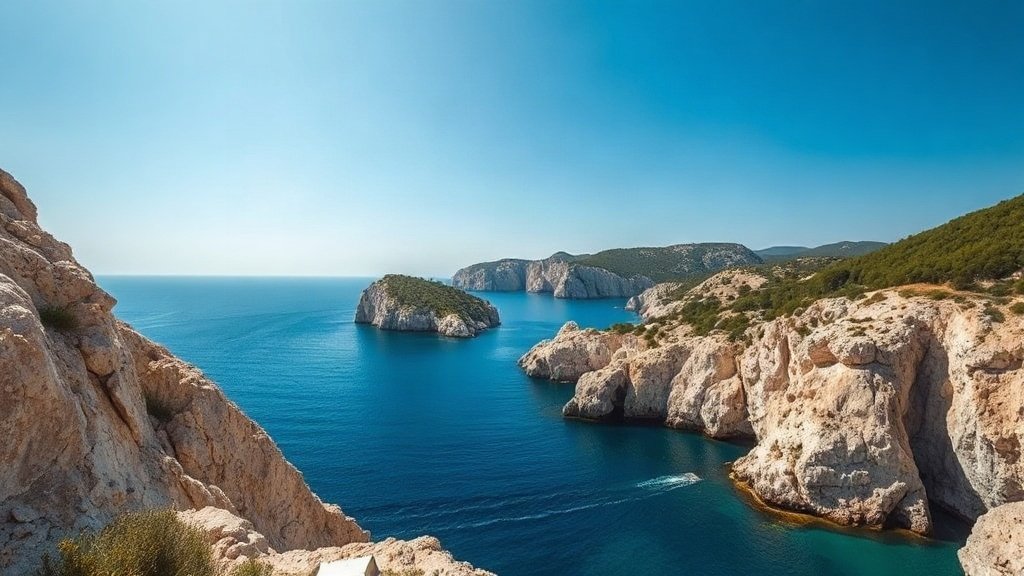
Illustration: AI-generated image
Scattered across the central Adriatic like a handful of white pebbles, the Kornati archipelago is one of Croatia's most striking natural wonders. This national park, made up of around 90 islands, islets and reefs, offers a raw, sun-bleached landscape of limestone cliffs, hidden coves and crystal-clear sea. Whether you arrive by boat from the mainland or sail your own vessel, Kornati rewards visitors with a sense of remote, untamed beauty that feels a world away from the busy coastal resorts.
A maze of islands and cliffs
The Kornati islands are the densest archipelago in the Mediterranean, but almost none are permanently inhabited. Their barren, rocky terrain is the result of centuries of deforestation and sheep grazing, yet this harshness has a stark appeal. The outer side of the chain, facing the open sea, is marked by towering cliffs that plunge dramatically into the deep blue. Known locally as 'crowns', these cliffs are a highlight for sailors and photographers alike. Inland, the islands are dotted with dry-stone walls, olive groves and the occasional simple stone house, remnants of a pastoral past.
Getting there and around
There are no regular ferry lines to the Kornati islands, so the most common way to visit is on an organised boat excursion. Day trips depart from coastal towns such as Murter, Zadar and Šibenik, typically stopping for swimming and lunch in a sheltered bay. For a more independent experience, many travellers charter a sailboat or motorboat and explore the archipelago at their own pace. Overnight stays are possible only in a few simple accommodation options or on your own boat, and there are a handful of rustic konobas (taverns) open during the summer season.
What to see and do
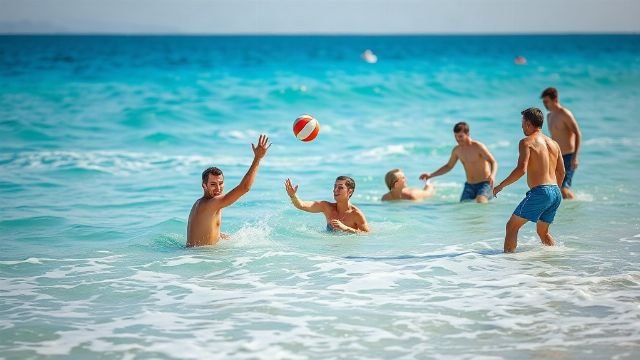
Swimming and snorkelling are the main activities, with countless secluded coves offering crystal-clear water. The underwater world is protected, so bring a mask to admire the marine life. On the island of Kornat, you can hike to the ruins of the Tureta Fortress, a 6th-century Byzantine structure that offers sweeping views over the archipelago. Nearby, the small Church of Our Lady of Tarac is a simple stone building dating back to the early Christian era. For those who love heights, the cliffs on the outer islands provide a dramatic backdrop for sailing or kayaking, though caution is needed near the sheer drops.
When to go
The best time to visit Kornati is between May and October, when the weather is warm and the sea calm enough for comfortable boating. July and August see the most visitors, but the park never feels crowded due to its vast area and limited access. Spring and early autumn are ideal for those seeking quieter anchorages and pleasant temperatures for hiking. Winter can be stormy and most services shut down, so plan your visit outside the colder months.