A Guide to Međimurska Popevka: Croatia's Melodic Folk Song Tradition
Međimurska popevka is a traditional vocal folk song from northern Croatia's Međimurje region, recognised by UNESCO for its melodic beauty and deep social roots.
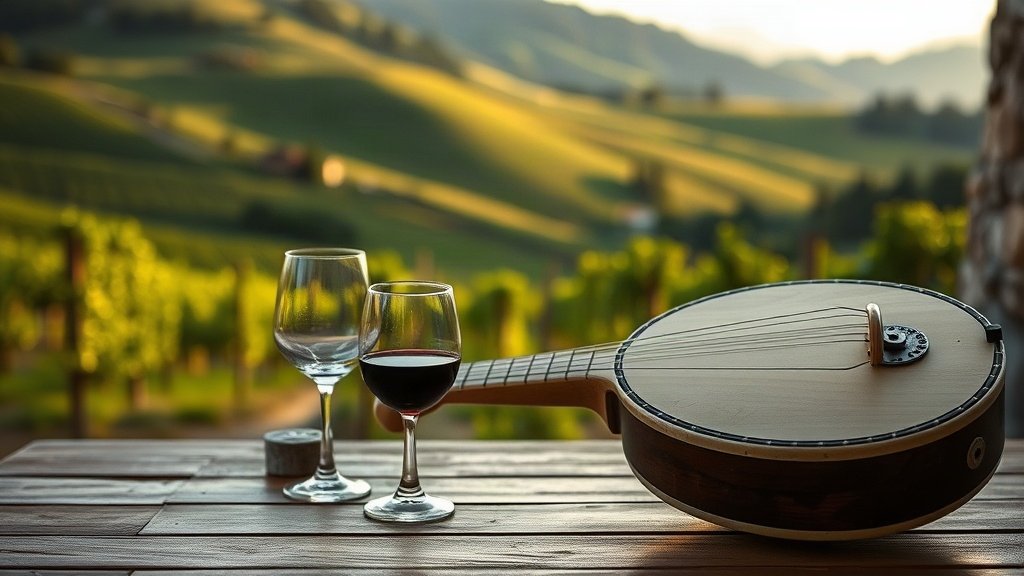
Illustration: AI-generated image
In the northern Croatian region of Međimurje, a gentle and deeply expressive form of folk singing has been passed down through generations. Known as međimurska popevka, this traditional vocal music was inscribed on UNESCO's Representative List of the Intangible Cultural Heritage of Humanity in 2018, a recognition of its cultural significance and the community that keeps it alive.
What is međimurska popevka?
The term popevka comes from the local Kajkavian dialect word for "song" (related to the verb popevati, meaning "to sing"). Međimurska popevka is a distinctive genre of folk song from Croatia's smallest county, which borders Slovenia and Hungary. Unlike the multi-part a cappella style of klapa from Dalmatia or the forceful voice-breaking of ojkanje, this northern tradition is typically performed by a solo singer or a small group, often women, delivering melodies that are lyrical and ornamented.
Characteristics and style
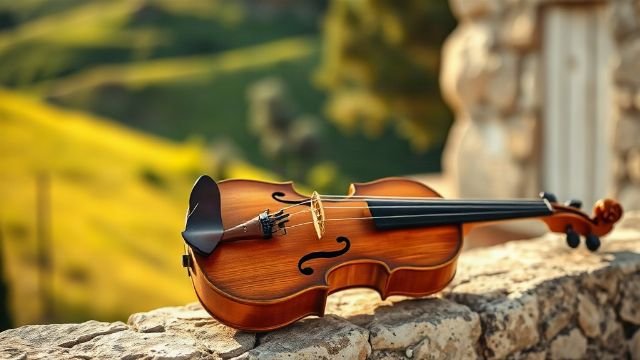
One of the most recognisable features of međimurska popevka is its free rhythm and expressive melodic line. Songs can be melancholic or joyful, but they often carry a sense of longing or tenderness. The vocal style includes subtle ornamentation, gliding between notes and using a wide vocal range. Traditionally, songs were sung unaccompanied, but today they may be supported by instruments such as the tamburica, violin, or accordion. The melodies are typically based on older modal scales, giving them a distinctly archaic flavour compared with more modernised folk music.
Themes and performance
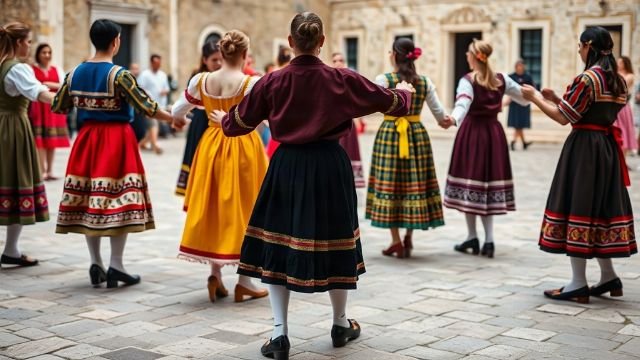
The lyrics of međimurska popevka reflect everyday life, nature, love, and sometimes humour. Many songs describe the region's rolling hills, vineyards, and rivers, or express the emotions of courtship and separation. In the past, these songs were an integral part of social gatherings, fieldwork, and family celebrations. Today, they remain a living tradition, performed at cultural events, festivals, and community gatherings, as well as being taught in local schools and folklore societies.
Recognition and preservation
UNESCO's inscription highlights the role of međimurska popevka in strengthening community identity and intergenerational bonds. Local associations and individual singers continue to document and teach the repertoire, ensuring that this intangible heritage is not lost. The tradition is notable for its continuity: many families still pass songs down orally, and new popevke are occasionally composed in the traditional style.
Where to experience it today
Visitors to Međimurje can encounter međimurska popevka at local festivals, church celebrations, and cultural events throughout the year. Several folklore groups regularly perform the songs, and recordings are available for those who wish to explore the genre further. For a deeper understanding, the region's ethnographic museums and cultural centres often include exhibits on traditional music and singing.