A Practical Guide to Croatia's Intercity Buses: Routes, Tickets and Tips
Travelling by bus is one of the most convenient and affordable ways to explore Croatia. Here's everything you need to know to plan your journey with confidence.
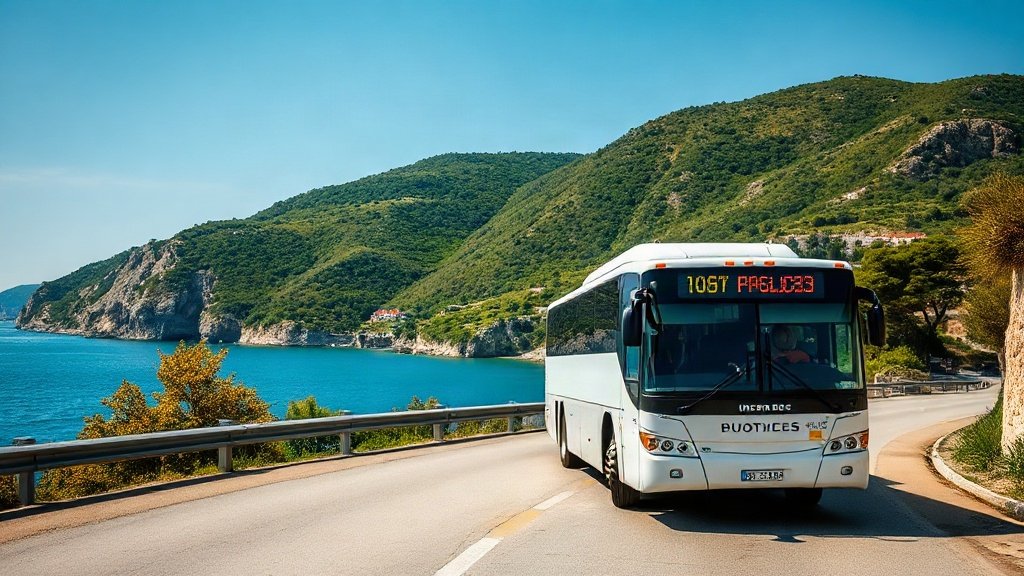
Illustration: AI-generated image
Croatia’s intercity bus network is the backbone of public transport for both locals and visitors. With connections to nearly every town and village, buses offer a reliable alternative to driving, especially along the winding coastal roads where parking can be a challenge.
Planning your journey
Before you set off, it is worth spending a little time researching your route. Most larger towns and cities have a central bus station, often located near the railway station or ferry port. From there, you can reach almost any destination in the country, as well as many cities across Europe.
Journey times can vary considerably. A trip from Zagreb to Split takes around five hours by motorway, while coastal routes are slower but far more scenic. Always check the timetable in advance, as departure times change seasonally and not all buses run daily.
Buying tickets
You can buy tickets at the bus station ticket office or online through a number of booking platforms. Online purchase is convenient, especially in summer when popular routes sell out. However, some smaller operators may not offer online sales, so it is wise to arrive early and buy at the station if you are unsure.
Ticket prices depend on distance and operator, but as a general rule, buses are cheaper than trains for long-distance journeys. Keep your ticket with you throughout the trip, as inspectors may check it at any time.
On the bus
Most intercity buses in Croatia are modern, air-conditioned coaches with comfortable seats and storage space underneath for large luggage. Smaller items can be taken on board, but space in overhead racks is limited. If you are travelling with a bicycle or oversized sports equipment, you may need to book an extra ticket for it and confirm availability in advance.
Many buses make a short stop at a service area where you can buy snacks and use the toilet. There is usually a toilet on board, but it is best not to rely on it for longer trips.
Practical tips
- Arrive early: Bus stations can be busy, especially in summer. Aim to be at the platform 15–20 minutes before departure.
- Luggage labels: When you check large bags into the hold, the driver will usually give you a numbered tag. Keep it safe, as you will need it to claim your bag.
- Seat choice: If you are prone to motion sickness, choose a seat near the front and avoid the back row. On coastal routes, the left side of the bus often has sea views when travelling south.
- Payment: Some rural buses may only accept cash, so carry a small amount of kuna (or euros, as Croatia has adopted the euro) just in case.
Travelling by bus allows you to sit back, relax and enjoy the landscape without worrying about traffic or parking. With a little planning, it is a wonderful way to see Croatia at a slower pace.