A Practical Guide to Travelling by Train in Croatia
Trains in Croatia offer a relaxed way to see the country, connecting major cities and some coastal towns. Here’s what to know before you board.
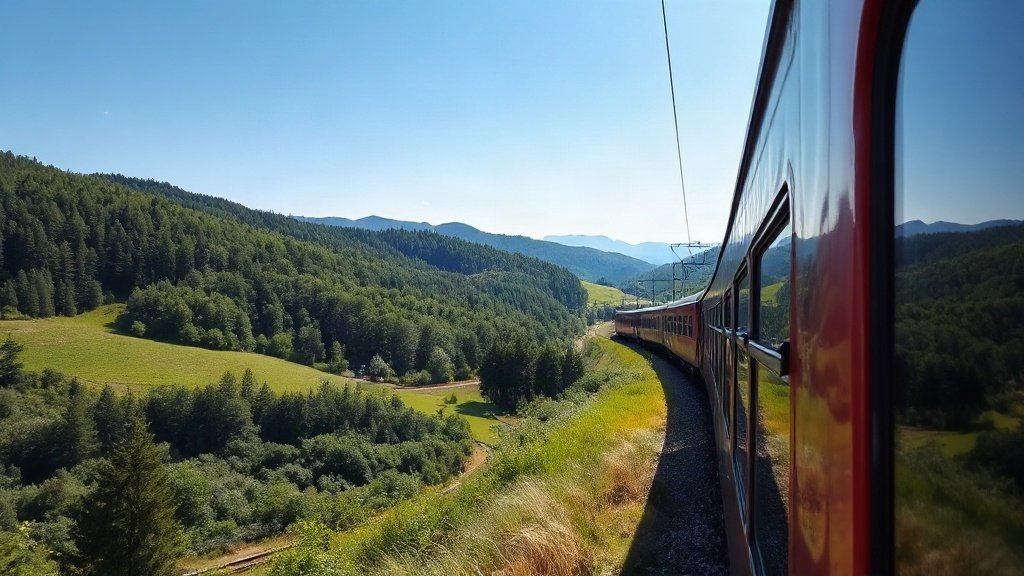
Illustration: AI-generated image
Croatia’s rail network may not be the fastest in Europe, but it is one of the most scenic and relaxed ways to travel. Trains connect the capital Zagreb with major regional hubs, linking inland cities to the Adriatic coast through rivers, forests and dramatic mountain landscapes. If you are not in a hurry, travelling by train is a comfortable and often underrated way to explore the country.
Why take the train?
Trains in Croatia offer more space than buses, the freedom to move around, and large windows that frame the passing countryside. They are reliable for the main intercity routes and tend to be less crowded outside the summer rush. For travellers who prefer a slower pace, rail journeys provide a chance to see parts of Croatia that road trips often bypass.
Routes and scenery
The busiest and most scenic route is the line from Zagreb to Split, which winds through the Lika region, crossing the rugged Dinaric Alps and passing near the Plitvice Lakes. The journey takes around six hours, with the final stretch descending towards the Dalmatian coast. Another notable line runs from Zagreb to Rijeka, following the Kupa River valley before cutting through the Gorski Kotar highlands. For those exploring Slavonia, trains link Zagreb with Osijek in the east, passing through the flat, fertile Pannonian plain.
Types of trains
Croatian Railways operates several train categories. InterCity (IC) and EuroCity (EC) trains serve longer routes with fewer stops and offer first and second class seating. The tilting InterCity Nagibni (ICN) trains run on the Zagreb–Split line, providing a slightly faster and more modern experience. Local or regional trains (often labelled as putnički vlak) stop at smaller stations and are ideal for short hops or exploring rural areas. While air conditioning is common on newer rolling stock, older trains may not have it, so be prepared in summer.
Practical tips
Before you board, keep these points in mind:
- Booking: Tickets can be bought at station counters or online. For long-distance routes, especially in summer or around holidays, it is wise to reserve a seat in advance.
- Luggage: There is no strict baggage allowance, and overhead racks plus space at carriage ends accommodate suitcases. Keep valuables with you.
- Bicycles: Many regional trains allow bicycles, but space is limited. Check in advance and purchase a bike ticket if required.
- Food and drink: Most trains do not have dining cars, so bring water and snacks, particularly on journeys over three hours.
- Stations: Major stations are centrally located, making transfers to buses, trams or ferries straightforward. Smaller stations may lack staff or facilities, so arrive with a valid ticket.
Train travel in Croatia rewards patience with relaxed comfort and some of the country’s finest views. It is an excellent choice for those who prefer the journey to be part of the adventure.