A Slow Guide to Šibenik: Fortresses, Cathedrals and a Seafaring Soul
Discover Šibenik, a historic Dalmatian city of stone and sea, home to a UNESCO-listed cathedral, impressive fortresses and a relaxed Mediterranean pace.
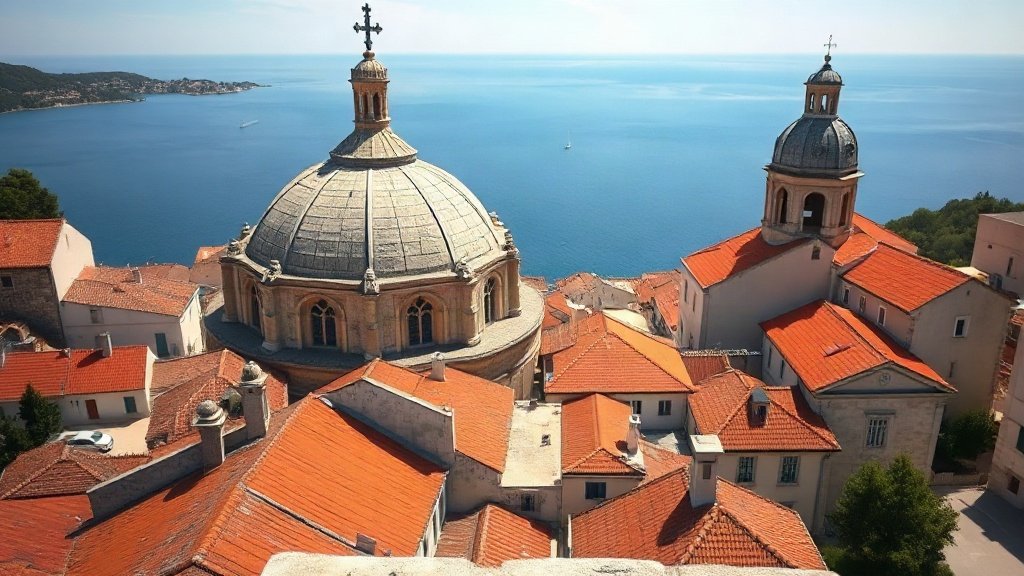
Illustration: AI-generated image
Šibenik often gets overlooked by travellers racing between Split and Zadar, but this historic Dalmatian city rewards those who linger. Built from pale stone and wrapped around a natural harbour, it has a compact old town, a UNESCO World Heritage cathedral and not one but four fortresses guarding its hills. Add a lively café culture and easy access to two national parks, and you have a perfect base for a slower kind of holiday.
Why Šibenik feels different
Unlike many Adriatic towns that grew under Roman or Venetian influence, Šibenik was founded by Croats in the 11th century and has always had a strong local identity. Its winding stone alleys, steep stairways and hidden squares feel authentic rather than polished for tourists. The city sits at the mouth of the Krka River, where fresh water meets the sea, creating a unique microclimate and rich marine life.
The cathedral that defied gravity
The Cathedral of St James is the undisputed centrepiece. Built entirely from stone between 1431 and 1535, it is the world's largest church constructed without brick or wood. Its most famous feature is the frieze of 71 carved heads on the exterior – supposedly portraits of ordinary citizens of the time, each with a different expression. The cathedral's dome and barrel roof were an engineering feat for the era, and it was one of the first buildings in Europe to use interlocking stone slabs. It has been a UNESCO site since 2000 and is the only cathedral in Europe built in the Gothic-Renaissance transition style.
Four fortresses, one skyline
Šibenik is known as the 'city of fortresses'. St Michael's Fortress sits directly above the old town and offers sweeping views over the red rooftops and the channel. St John's Fortress is higher on the hill, while Barone Fortress provides another vantage point and an interactive visitor centre. The most atmospheric is St Nicholas' Fortress, built in the 16th century on a small island at the harbour entrance – it is a UNESCO site together with Venetian defence works across the Adriatic. You can walk to the first three; St Nicholas is reachable by boat in summer.
Wandering the old town
Start at the waterfront promenade, then climb through the narrow lanes behind the cathedral. Look for the medieval city gates, the 15th-century town hall and the small churches tucked between houses. The old town is pedestrianised, so you can wander without worrying about traffic. In the evening, the squares fill with locals enjoying coffee or a glass of local wine. For a break, try a slice of soparnik if you find it, or sample fresh seafood at a konoba – a traditional tavern.
Day trips from Šibenik
Šibenik is a great base for exploring the region. Krka National Park is just 15 minutes by car or local bus, with its famous waterfalls at Skradinski Buk. The Kornati Islands, a stark archipelago of 89 islands, can be visited by boat excursion from Šibenik's waterfront. To the south, the town of Primošten and the historic village of Vodice offer more beaches and coastal walks.
Practical tips for a slow visit
- Šibenik has a Mediterranean climate, so spring and early autumn are ideal for walking and fortress visits.
- Wear comfortable shoes – the old town is full of steps and polished stone.
- The city is compact; plan at least two full days to see the cathedral, two fortresses and enjoy the evenings.
- Check local event calendars for the International Children's Festival in late June, which fills the streets with performances.
Whether you come for the stone carvings, the fortress views or the island breezes, Šibenik rewards a slower pace. Let its layers reveal themselves one alley at a time.