Buzara: A Guide to Croatia's Garlicky Shellfish Delicacy
Buzara is a simple yet deeply flavourful Dalmatian seafood dish, where shellfish are cooked with garlic, white wine, olive oil and fresh herbs.
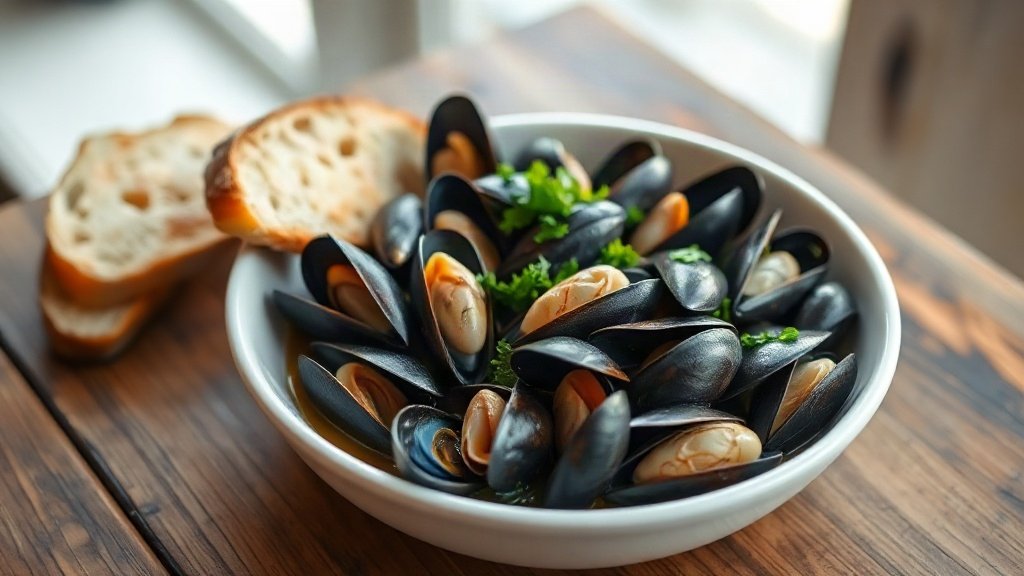
Illustration: AI-generated image
Along the Dalmatian coast, few dishes capture the essence of the Adriatic as simply and deliciously as buzara. This traditional preparation—shellfish cooked in a fragrant sauce of garlic, white wine, olive oil and parsley—has been a staple of coastal kitchens for generations. It celebrates the freshness of local seafood, requiring just a handful of quality ingredients and minimal fuss.
What is Buzara?
Buzara (pronounced boo-zah-rah) refers to a cooking method rather than a specific recipe. The name likely derives from the Italian word bruciare, meaning 'to burn', referencing the initial sizzle when garlic hits hot oil. At its heart, buzara involves simmering shellfish in a rich, aromatic sauce that is both simple and luxurious.
The most common types of shellfish used are mussels (dagnje), clams (mušule or vongole), and langoustines (škampi), though crab and other crustaceans also work well. Prawns and scampi are particularly prized, often served in a more refined version called buzara na bijelo (white buzara), made without tomato.
White and Red Buzara
Buzara comes in two main variations: white (bijela) and red (crvena). White buzara is the purest expression, where shellfish are cooked in olive oil, garlic, white wine, parsley and breadcrumbs, sometimes with a splash of fish stock. The breadcrumbs thicken the sauce and give it a rustic texture.
Red buzara, on the other hand, includes tomato—either fresh, passata, or concentrate—which adds sweetness and a deeper colour. Both versions are finished with a generous handful of chopped parsley and often served with crusty bread to mop up every drop of sauce.
Key Ingredients and Technique
Quality is paramount. The shellfish must be impeccably fresh—ideally purchased the same day from a local fish market. Live mussels and clams should be scrubbed clean and debearded, then briefly soaked in salted water to expel any grit. Langoustines and prawns are typically used whole, with heads and shells left intact for extra flavour.
The cooking process is straightforward: gently sauté sliced garlic in plenty of extra virgin olive oil until fragrant but not browned, add the shellfish and a good splash of dry white wine (such as a Dalmatian pošip or maraština), then cover and steam until the shellfish open. Breadcrumbs are stirred in to thicken, and fresh parsley is added at the end. Red buzara includes tomato added after the garlic, before the shellfish.
Timing is crucial—overcooking makes shellfish tough. Mussels and clams are done as soon as their shells open; langoustines need only a few minutes per side. The sauce should be loose but cling to the shells, carrying the essence of the sea.
How to Eat Buzara
Buzara is almost always served as a starter or a light main course, often presented in the same pan or a deep bowl. Diners use their hands for most shellfish, peeling prawns and scooping mussels from shells. A slice of fresh bread is essential for soaking up the sauce, and a chilled glass of Croatian white wine—such as malvazija from Istria or grk from Lumbarda—completes the experience.
In Dalmatian homes, buzara is a common weeknight meal, especially during the cooler months when shellfish are at their best. It is also a highlight of konoba (tavern) menus along the coast, where it showcases the simplicity of local cooking.
Where to Enjoy Buzara
Buzara is ubiquitous in Dalmatia, from family-run konobe in small fishing villages to upscale seafront restaurants in Split and Dubrovnik. While recipes vary slightly from one kitchen to the next, the essence remains the same. The best versions use locally caught shellfish and a light hand with seasoning, letting the natural brininess shine through.
If you are visiting Croatia, order buzara at least once—preferably at a restaurant with a view of the Adriatic. It is an authentic taste of the coast, deeply rooted in tradition yet endlessly adaptable. Whether you prefer the clean, garlicky punch of white buzara or the richer, tomato-laced red version, this dish is a true Adriatic classic.