Croatia's Strategic Reserves: Grain for 60 Days, But No Medicines
Croatia's strategic commodity reserves were worth 93 million euros at the end of 2025, with enough grain for 60 days but still no legally required medicines.
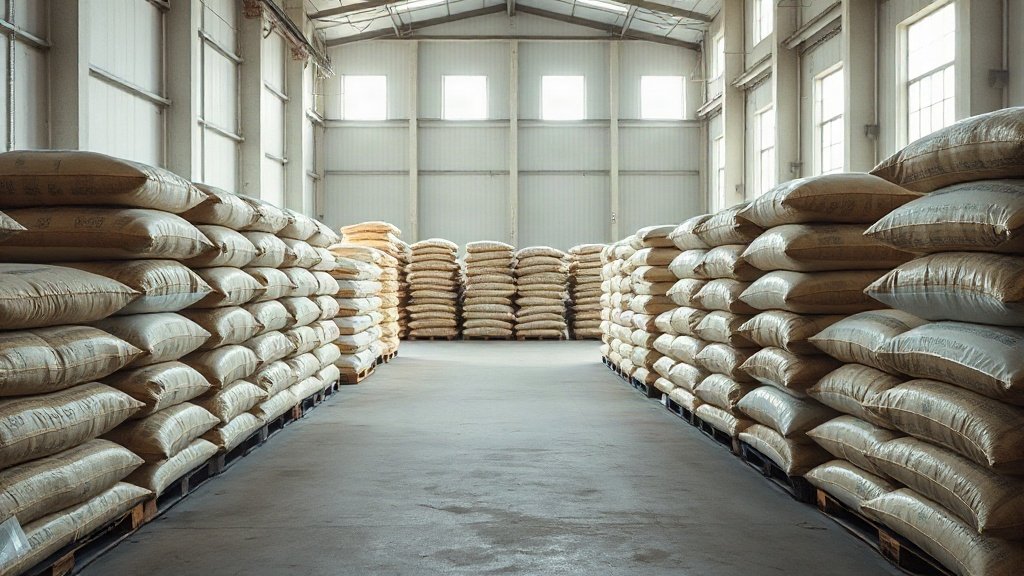
Illustration: AI-generated image
Croatia's strategic commodity reserves were valued at 93 million euros at the end of 2025, a 6.9 percent increase on the year before, according to the Ministry of Economy's annual report. The stockpile includes enough grain to feed the entire population for 60 days and millions of litres of fuel, but the legally required medicines are still missing.
The largest share of the reserves by value was wheat at 18 percent, followed by multifunctional water tankers at 12 percent, cooking oil at 9 percent, sugar at 7 percent, containers and maize at 6 percent each, and eurodiesel at 5 percent. In total, Croatia held 66,303 tonnes of wheat, 26,309 tonnes of maize, 4,881 tonnes of barley, 139 tonnes of rice, 108 tonnes of pasta and 9,974 tonnes of sugar. There were also 3.8 million litres of oil, 214,333 litres of long-life milk and 650,044 litres of drinking water.
Non-food reserves included 125 multifunctional tankers worth 11.1 million euros, 9.7 million litres of eurodiesel and 5.51 million litres of petrol – the same fuel quantities as at the end of 2024. According to the ministry, the fuel is primarily intended for operational forces in affected areas during the first 30 days of an emergency. The reserves also contain 1,105 containers, 256 mobile homes, 1,618 tents, 30,545 sleeping bags, 9,037 beds and cots, plus 16,432 metres of mobile flood barriers and over half a million sandbags.
Despite a 2022 law that extended strategic reserves to include medicines, vaccines and medical material, none were in stock in 2025 or previous years, the report shows. The ministry told Hina that procurement, storage and distribution of these items are subject to special legal conditions, particularly regarding licences for medicines, and that the legislative framework still needs to be aligned. In the event of a major disaster, however, medicines can be procured through urgent procedures and distributed via authorised health services.
During 2025, goods worth 11.5 million euros were purchased to replenish reserves, including ten multifunctional water tankers, ten million kilograms of wheat and over 4.3 million kilograms of sugar. The ministry also bought 1,000 packs of baby nappies and 5,000 packs of sanitary pads, items that had been missing the year before. Reserves are stored at 357 secret locations and are planned to support 200,000 people for 60 days, with grain for the entire population and equipment for 50,000 people.